English



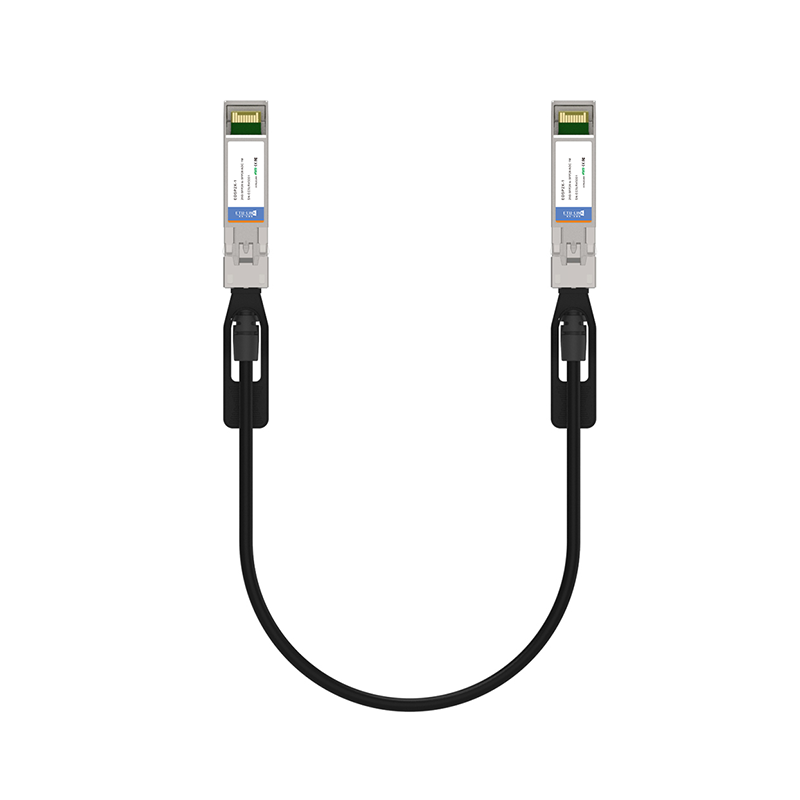
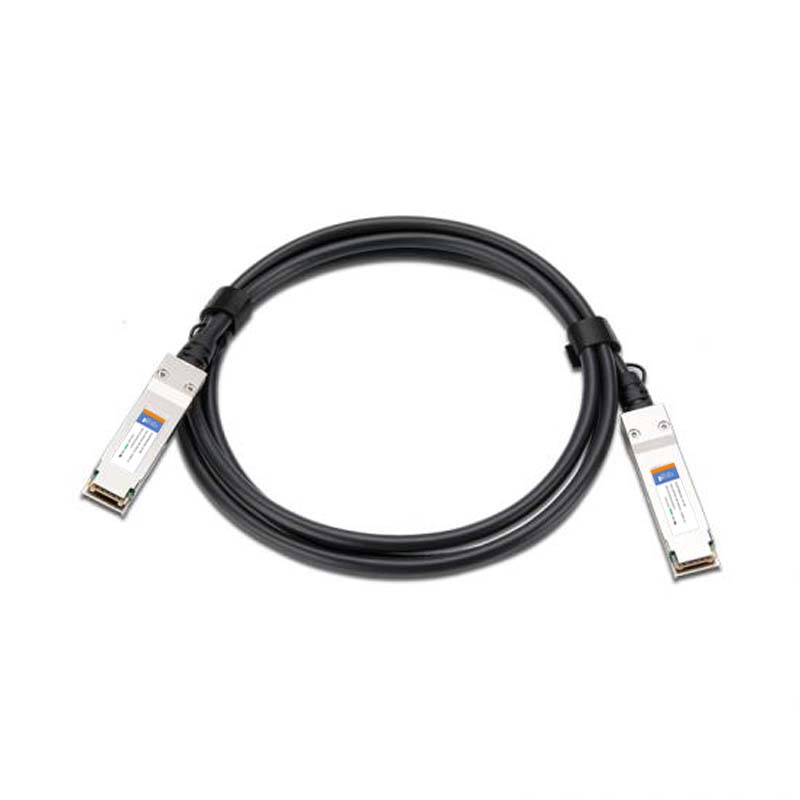
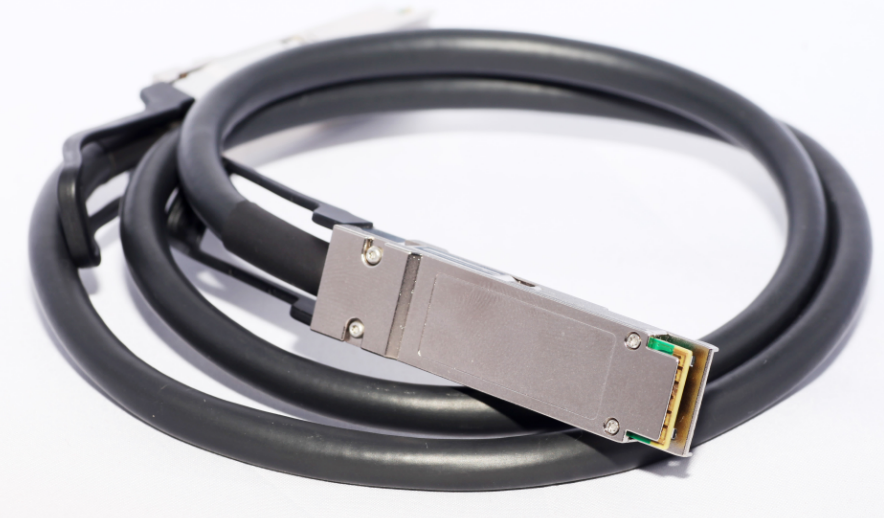
Product Model:
EDSP5X-xData Rate:
56GDDM:
NoProduct Origin:
Made in ChinaShipping Port:
ShenZhen

FAQ:
Q1: What is a DAC Cable (Direct Attach Copper Cable)?
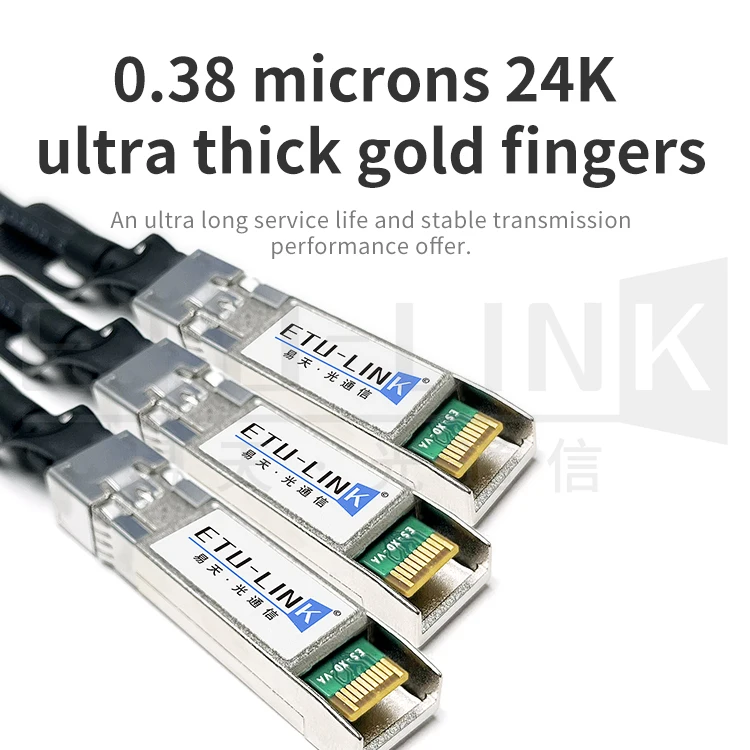
A1: A high-speed DAC cable is a cost-effective solution for short-distance data transmission, commonly used in data centers, cloud computing, and enterprise networking to connect switches, servers, and storage devices.
Q2: What are the advantages of using DAC cables over optical transceivers?
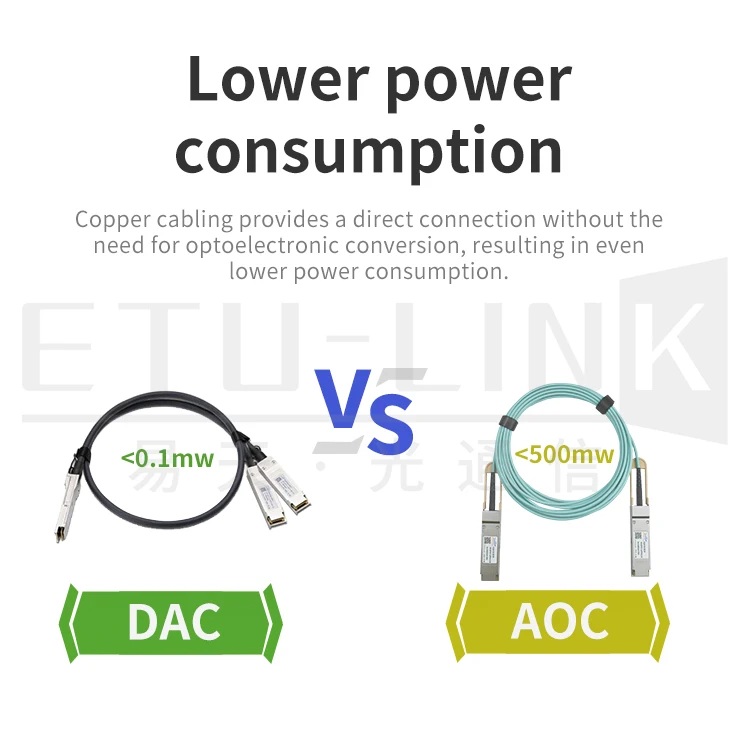
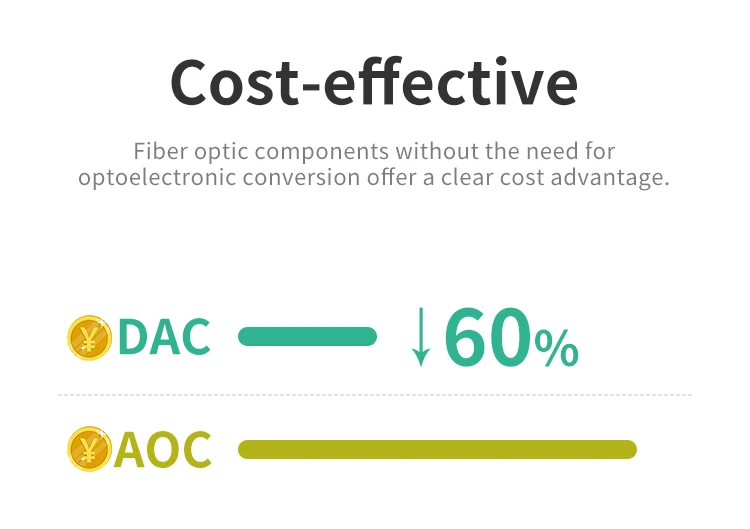
A2: Passive DAC cables are more affordable, consume less power, and offer lower latency than active optical cables (AOC) or fiber optics, making them ideal for 10G, 25G, 40G, and 100G Ethernet connections.
Q3: What lengths are available for SFP+ DAC, QSFP+ DAC, and QSFP28 DAC cables?
A3: Standard lengths range from 0.5m to 7m, with popular options like 1m DAC, 3m DAC, and 5m DAC cables for rack-to-rack connectivity.
Q4: Are DAC cables compatible with Cisco, HPE, Juniper, Dell, and Arista devices?
A4: Most SFP DAC and QSFP DAC cables are vendor-agnostic, but always verify compatibility with your switch or server model for seamless integration.
Q5: Can high-speed DAC cables support 400G Ethernet?
A5: Yes, QSFP-DD DAC and OSFP DAC cables now support 200G/400G data rates, ideal for hyperscale data centers and HPC (High-Performance Computing).
Q6: Do passive DAC cables require external power?
A6: No, passive copper DAC cables draw power directly from the device, reducing energy costs and heat dissipation in data center environments.
Q7: What is the maximum distance for DAC cable transmission?
A7: Copper DAC cables typically reach up to 7m—beyond this, consider active DAC cables or AOC/fiber optics for longer distances.
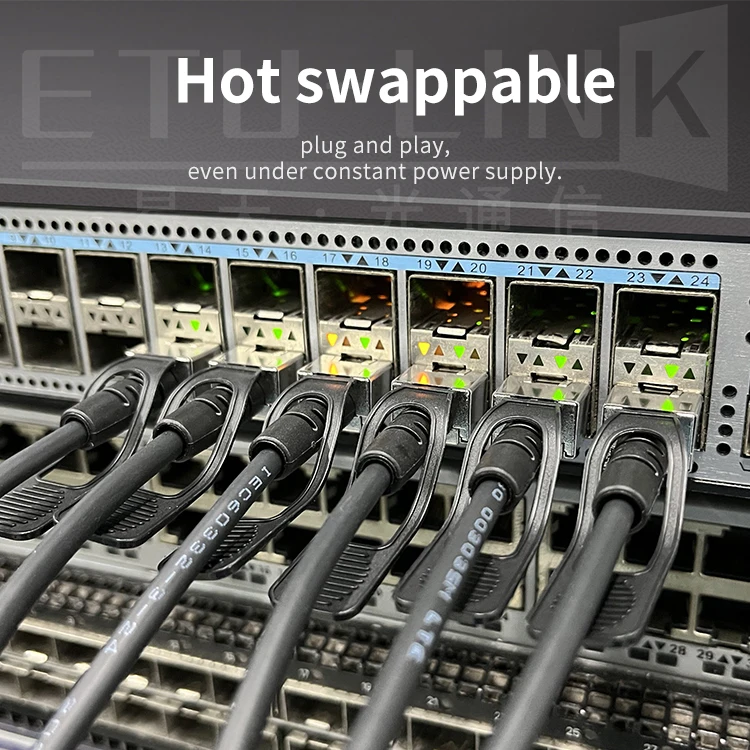
Q8: Are DAC breakout cables hot-swappable?
A8: Yes, hot-swappable DAC cables (e.g., QSFP+ to 4x SFP+ DAC) allow flexible deployment without system downtime.
Q9: How to choose the right DAC cable for 10G/40G/100G networks?
A9: Match your switch port type (SFP+, QSFP+, etc.), data rate, and length requirements. For high-density setups, opt for low-profile DAC cables.
Q10: What is the difference between passive DAC and active DAC cables?
A10: Passive DAC cables rely on device power and support shorter distances (up to 7m), while active DAC cables include signal amplification for extended reach (up to 15m) but consume more power.
If you are interested in our products and want to know more details,please leave a message here,we will reply you as soon as we can.
Categories
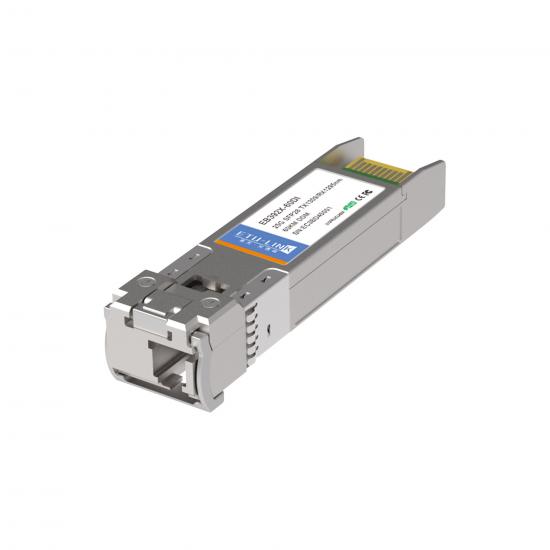
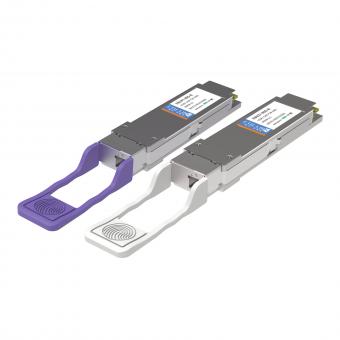
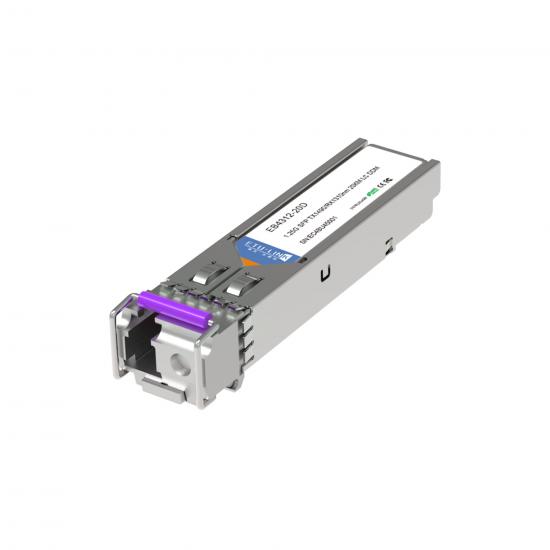
It enables full-duplex 25.78 Gbps data transmission over a single fiber strand while effectively doubling fiber infrastructure utilization.
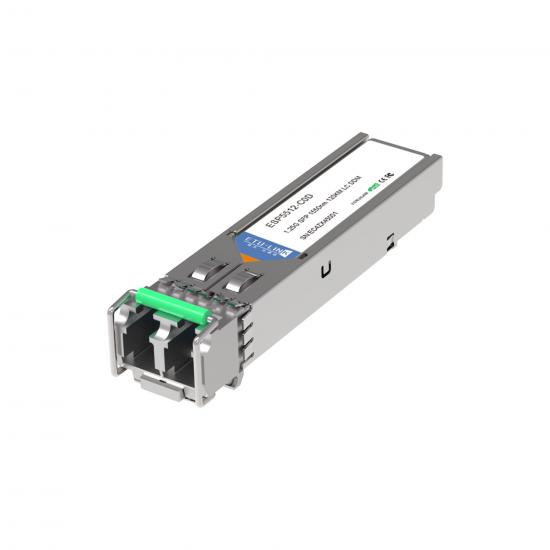
Duplex LC interface and hot-pluggable design, it integrates a high-power DFB laser and APD photo detector with advanced dispersion management to ensure signal integrity over ultra-long reaches.
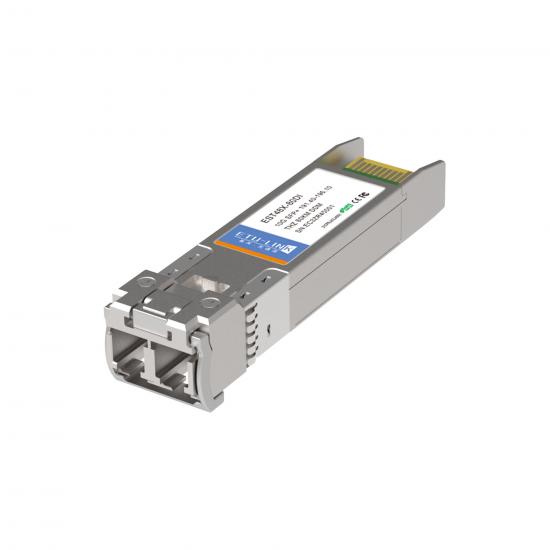
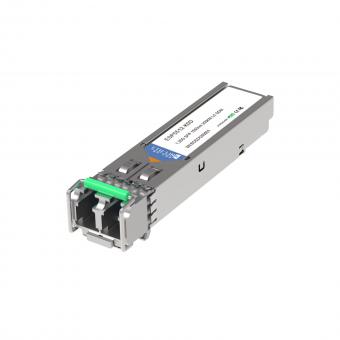
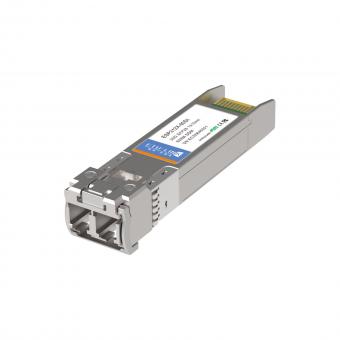
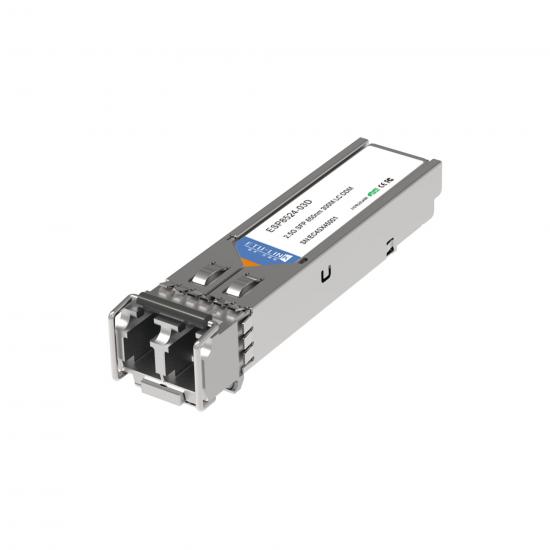
This transceiver delivers 10.3125 Gbps data rates over 80-kilometer distances on single-mode fiber (SMF) while adhering to IEEE 802.3ae, SFP+ MSA standards.
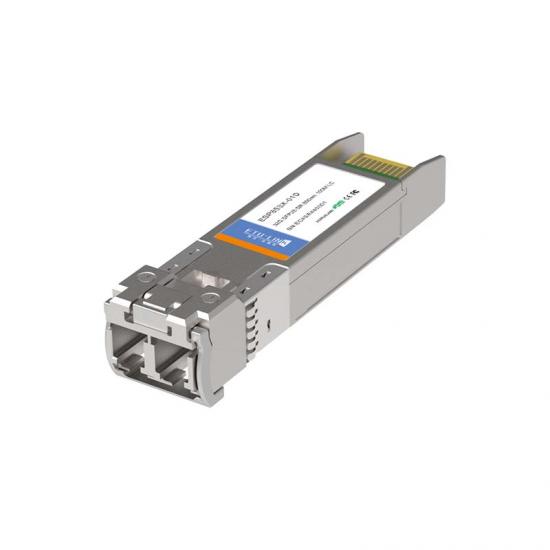
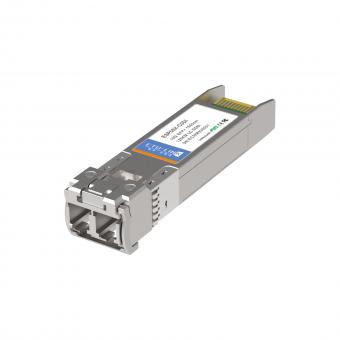
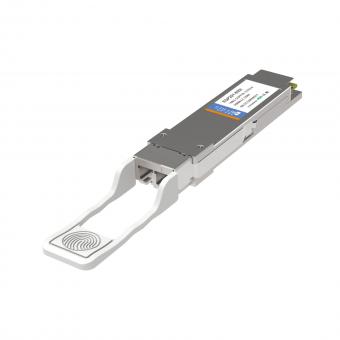
850nm wavelength over laser-optimized OM4 multimode fiber, it supports data rates up to 32 Gbps for storage network, achieving distances of 100 meters on OM4 fiber.
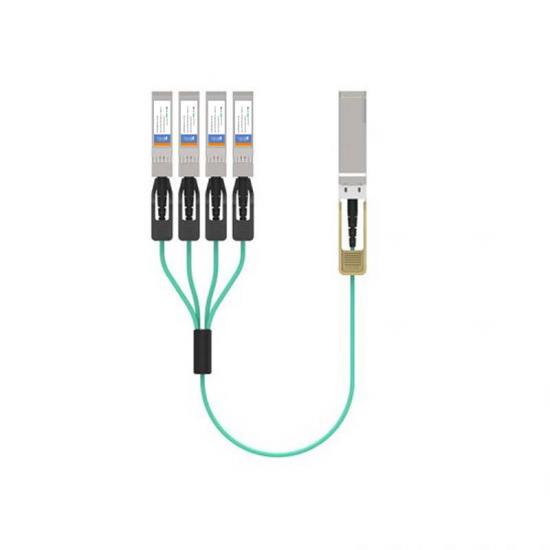
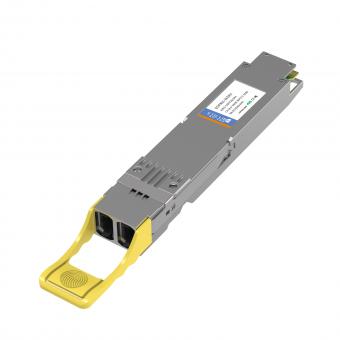
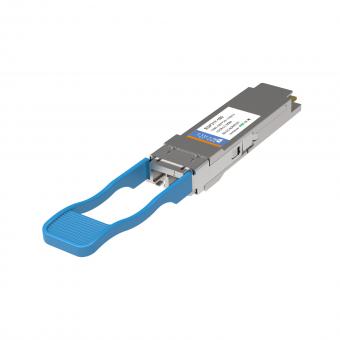
PRODUCT FEATURES 400Gb/s to 4x100Gb/s data rate 8x 50Gb/s PAM4 modulation Case temperature range of 0℃to +70℃ +3.3V single power supply 8x50G PAM4 retimed 400GAUI-8 electrical interface aligned with IEEE 802.3bs Compliant to CMIS V4.0 RoHS compliant Distance:0.5-50M APPLICATIONS 400GAUI-8 Other 400G optical links FAQ: Q1: What is an Active Optical Cable (AOC) and How Does It Work? A1: An Active Optical Cable (AOC) integrates fiber optic technology with built-in transceivers to deliver high-speed data transmission (10G-400G) without separate optical modules. Unlike traditional fiber patch cables, AOCs offer plug-and-play simplicity for data center interconnects. Q2: Why Choose AOC Over DAC for Data Center Networking? A2: AOC cables outperform Direct Attach Copper (DAC) in four key ways: longer reach (up to 100m vs 7m), EMI immunity, lower power consumption (30% less than active DAC), and lighter weight - critical for high-density 100G/400G deployments. Q3: What Are the Maximum Speeds Supported by Modern AOC Cables? A3: Today's AOC solutions support: 10G/25G (SFP+/SFP28) 40G/56G (QSFP+) 100G (QSFP28) 200G/400G (QSFP-DD/OSFP) Perfect for hyperscale data centers upgrading to 400G Ethernet. Q4: What's the Maximum Reliable Distance for QSFP28 AOC Cables? A4: Standard 100G QSFP28 AOCs reliably transmit up to 100m (OM4 fiber), with premium models reaching 300m - ideal for campus data center interconnects and HPC clusters. Q5: How Do AOC Cables Reduce Data Center OPEX? A5: Three OPEX advantages: 40% lower power than copper alternatives Zero maintenance (no signal degradation) 60% lighter weight reduces cooling costs Q6: Can I Use QSFP+ AOC for Breakout to SFP+ Connections? A6: Absolutely! Our QSFP+ to 4x SFP+ breakout AOCs enable: Cost-effective 40G migration Flexible spine-leaf architectures Simplified cable management Q7: Do AOC cables require special maintenance? A7: No, AOC cables are durable, require no signal conditioning, and are more resistant to environmental factors than copper cables, reducing maintenance needs in data center environments. Q8: Can AOC cables be used for breakout configurations? A8: Yes, our QSFP+ to 4x SFP+ AOC breakout cables enable flexible 40G to 10G migration paths for cost-effective network upgrades. Q9: How do AOC cables compare to traditional optical transceivers? A9: AOC offer plug-and-play simplicity by eliminating separate transceivers, reducing points of failure while maintaining the benefits of optical transmission. Q10: Are AOC cables compatible with major switch brands? A10: Yes, our AOC cables are MSA-compliant and work with major networking equipment brands for seamless 40G/100G connectivity.
For inquiries about our products or pricelist, please leave your information with us and we will be in touch with in 24 hours.


 13th Floor, Building 6, Honghualing Base, Nanshan Intelligent Manufacturing Base, Liuxian Avenue, Taoyuan Street, Xili, Nanshan District, Shenzhen, China
© Copyright: 2026 ETU-Link Technology CO ., LTD All Rights Reserved.

IPv6 network supported
Friendly Links:
易天官网