English



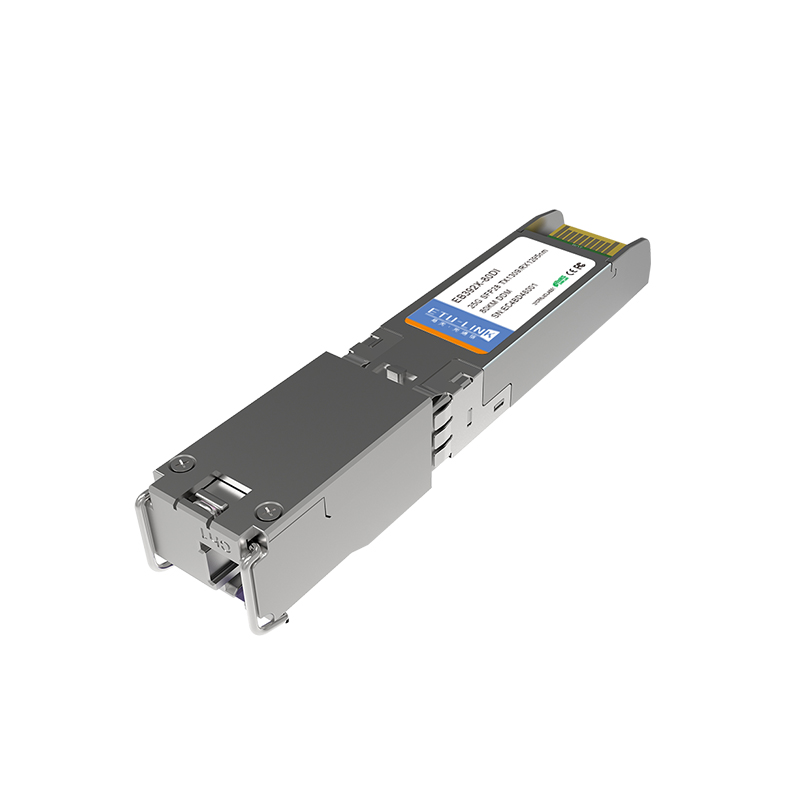
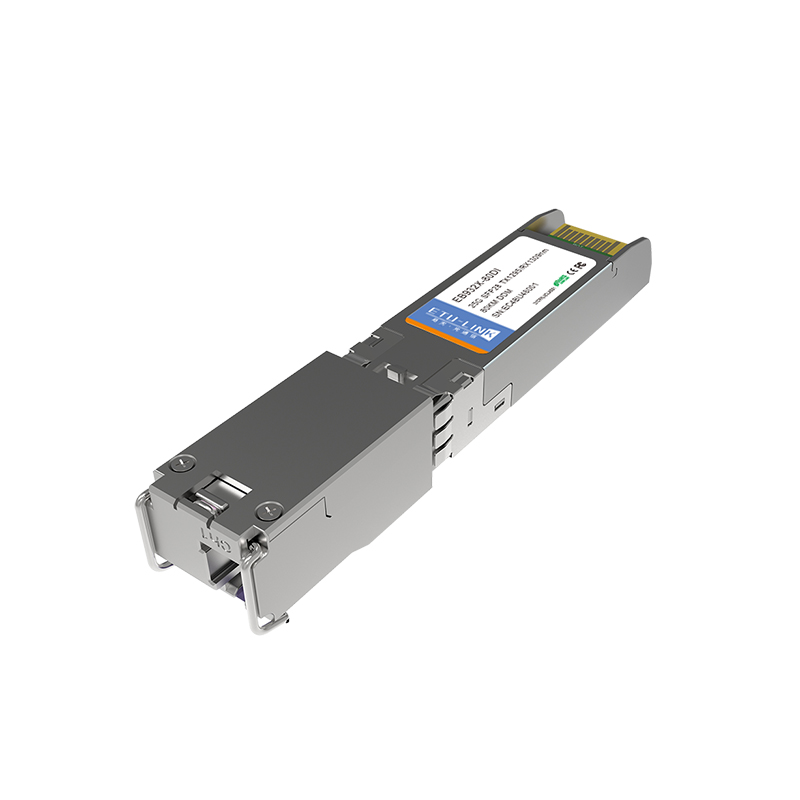
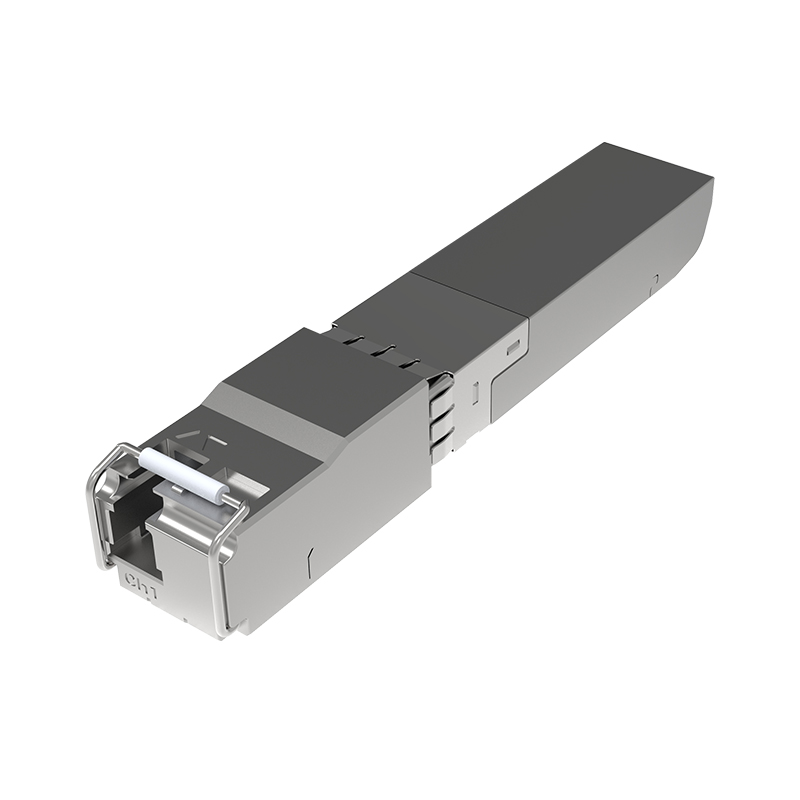
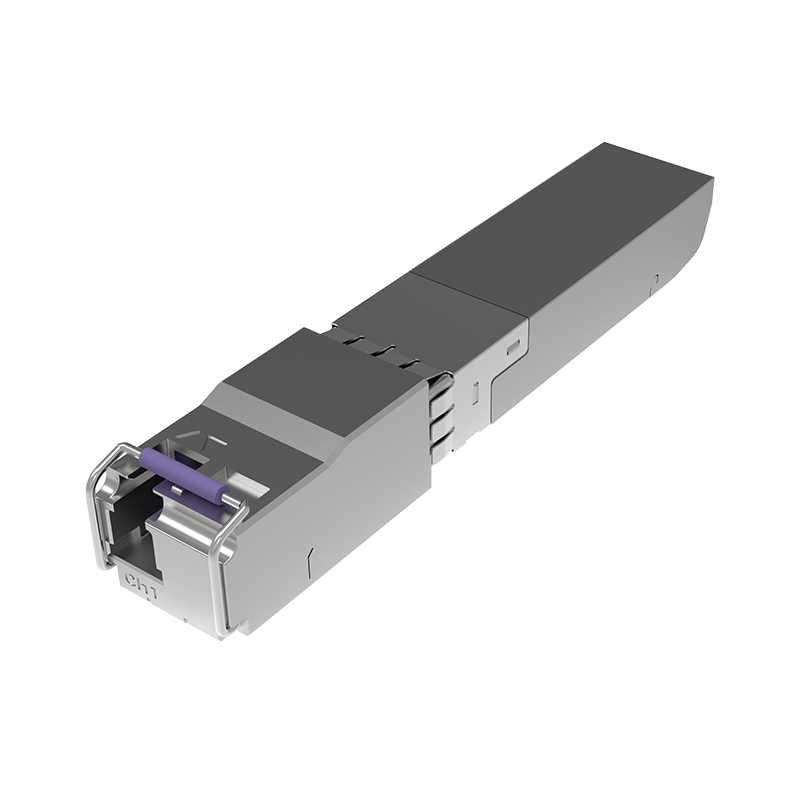
Product Model:
EB392X-80DData Rate:
25GWavelength:
TX1309nm/RX1295nmDistance:
80KMConnector:
LCFiber Type:
SMDDM:
YesProduct Origin:
ChinaShipping Port:
ShenzhenBrand:
ETU-LINK
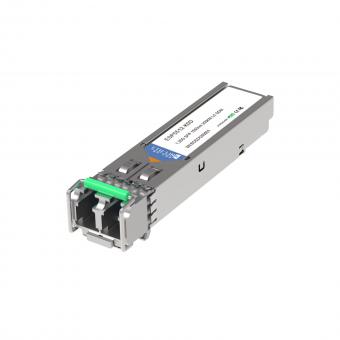
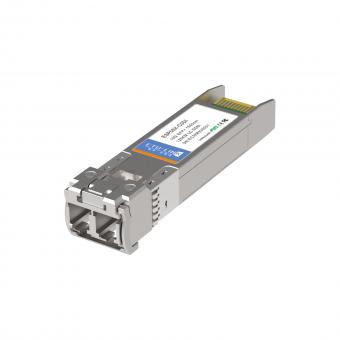
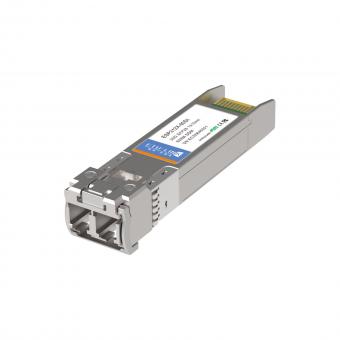
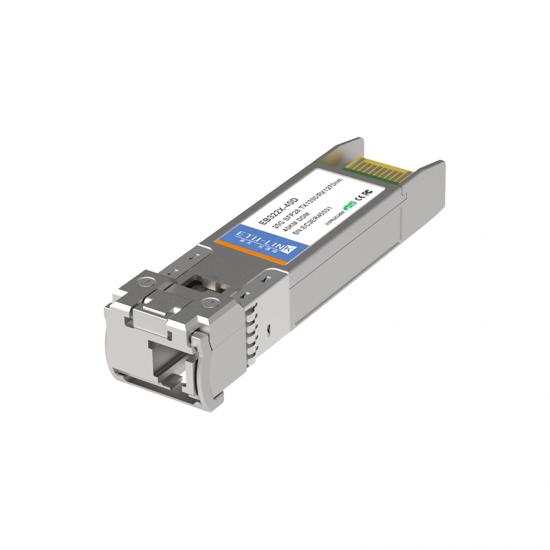
25G BiDi SFP28 80km LC Optical Transceiver
Key Features:
 |
 |
 |
 |
 |
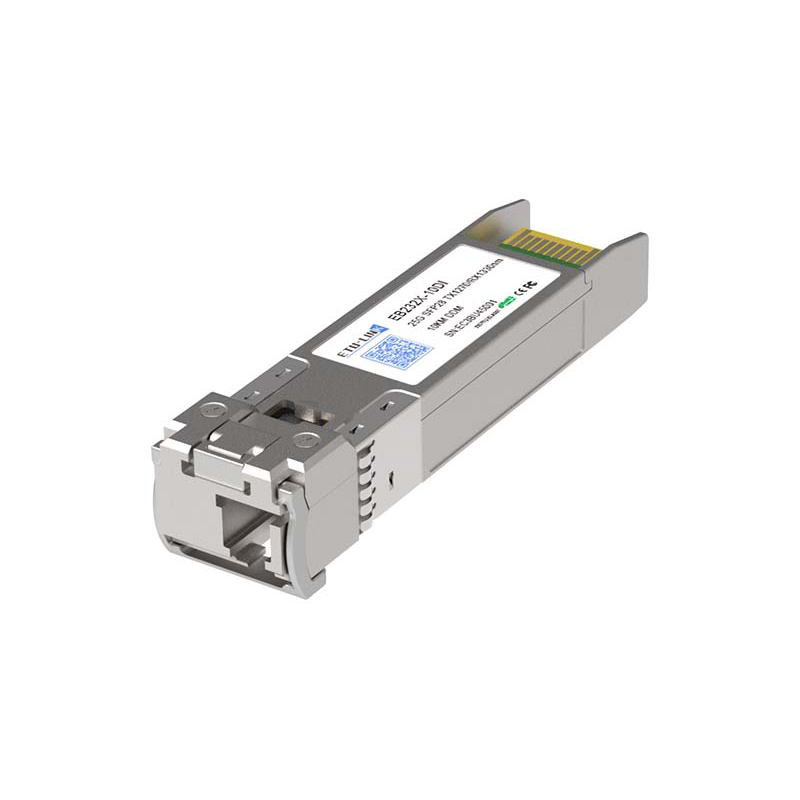
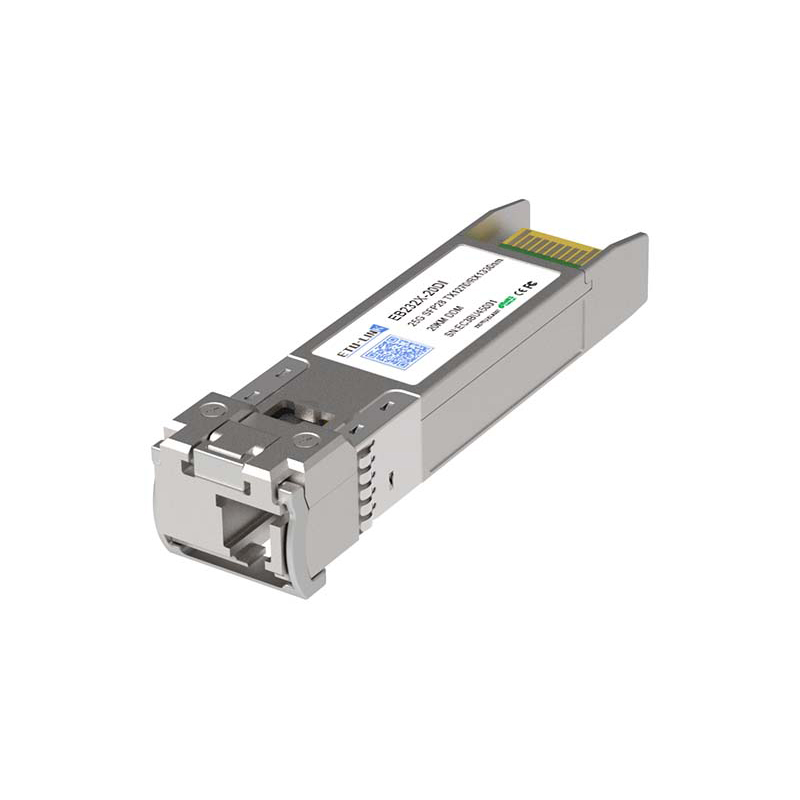
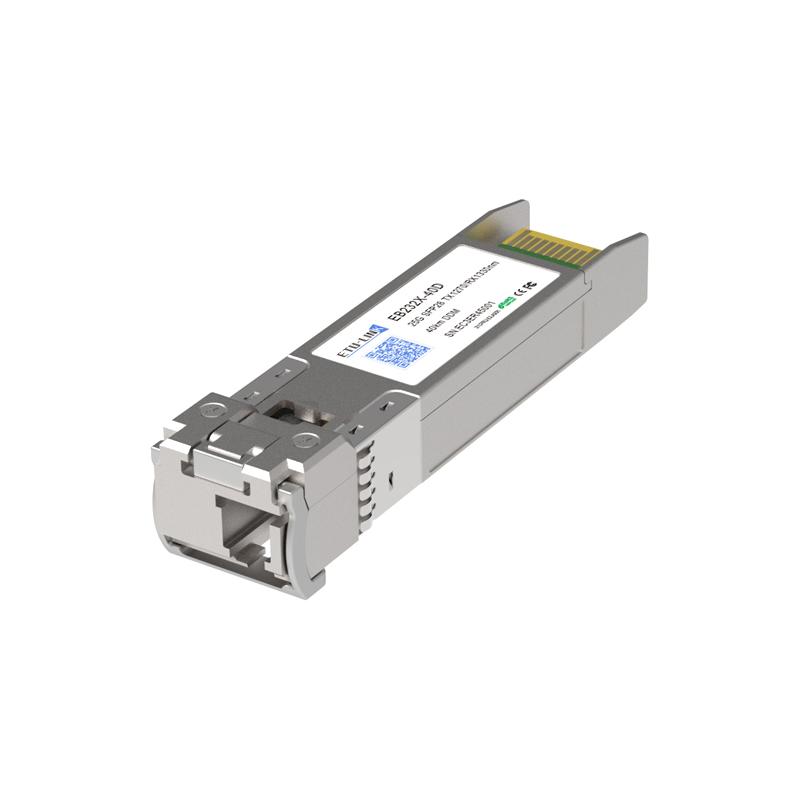
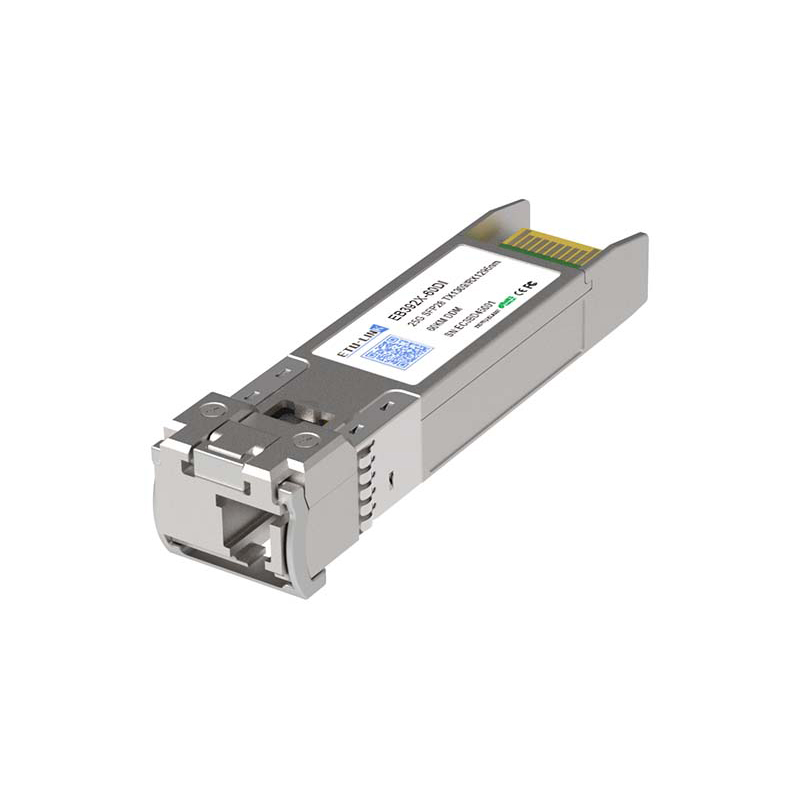
| 25G BIDI 10KM | 25G BIDI 20KM | 25G BIDI 40KM | 25G BIDI 60KM | 25G BIDI 80KM |
|
25G |
25G |
25G |
25G | 25G |
|
1270nm/1330nm |
1270nm/1330nm |
1270nm/1330nm |
1295nm/1309nm |
1295nm/1309nm
|
|
10KM |
2KM |
40KM |
60KM |
80KM |
|
LC |
LC |
LC |
LC |
LC |
|
SM |
SM |
SM |
SM |
SM |
|
DDM |
DDM |
DDM |
DDM |
DDM |
|
COM: 0°C ~70°C
IND: -40°C ~85°C |
COM: 0°C ~70°C IND: -20°C ~85°C |
COM: 0°C ~70°C
IND: -20°C ~85°C |
COM: 0°C ~70°C
IND: -40°C ~85°C |
COM: 0°C ~70°C IND: -40°C ~85°C |



Q1: What is a 25G SFP28 transceiver?
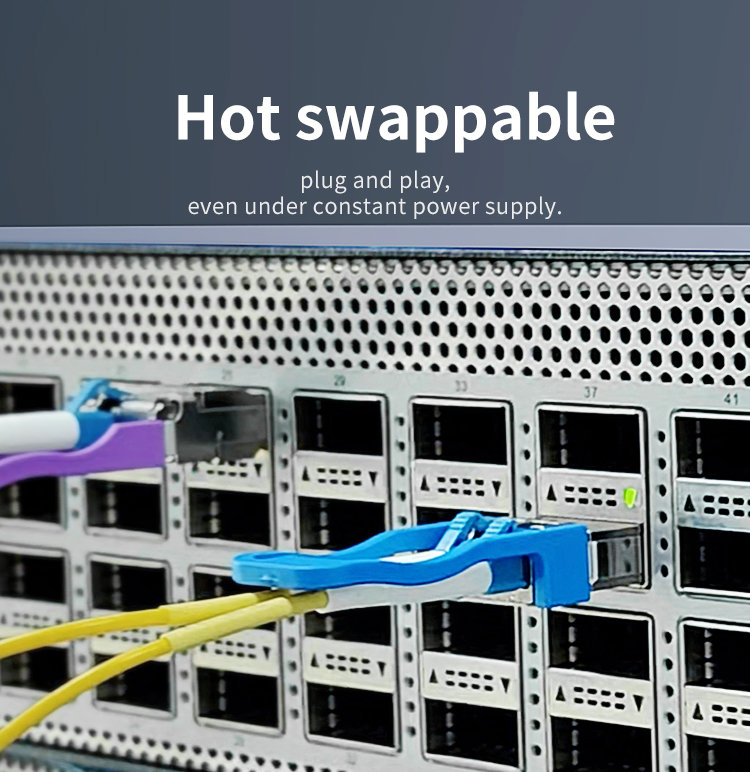
A1: 25G SFP28 transceiver is a compact, hot-pluggable optical module that supports 25Gbps data transmission over fiber or copper cables. It is widely used in data centers, telecom networks, and enterprise networks.
Q2: What are the key differences between SFP28 and SFP+?
A2: SFP28 supports 25Gbps speeds, while SFP+ supports 10Gbps. SFP28 is backward-compatible with SFP+ ports but requires appropriate configuration for optimal performance.
Q3: What distance can a 25G SFP28 SR transceiver cover?
A3: The 25G SFP28 SR (Short Reach) module typically supports up to 100 meters over OM4 multimode fiber (MMF).
Q4: Can 25G SFP28 modules work in 10G switches?
A4: Yes, most 25G SFP28 modules are backward-compatible with 10G SFP+ ports, but they will operate at 10Gbps speeds.
Q5: What are the common types of 25G SFP28 transceivers?
A5: SR (Short Reach) – Up to 100m over MMF
LR (Long Reach) – Up to 10km over SMF
ER (Extended Reach) – Up to 40km over SMF
Copper (DAC/AOC) – Short-distance direct attach solutions
Q6: What are the typical applications of 25G SFP28 transceivers?
A6: Data center spine-leaf architecture
5G fronthaul/midhaul networks
High-performance computing (HPC) clusters
Enterprise network upgrades from 10G to 25G
Q7: What is the wavelength of a 25G SFP28 LR transceiver?
A7: The 25G SFP28 LR module typically operates at 1310nm wavelength, optimized for single-mode fiber (SMF) transmissions up to 10km.
Q8: How does 25G SFP28 compare to 100G QSFP28 in cost and performance?
A8: 25G SFP28 is more cost-effective for short-to-medium distances (≤10km), while 100G QSFP28 suits high-density 100G deployments.
Q9: Do 25G SFP28 modules support DDM/DOM monitoring?
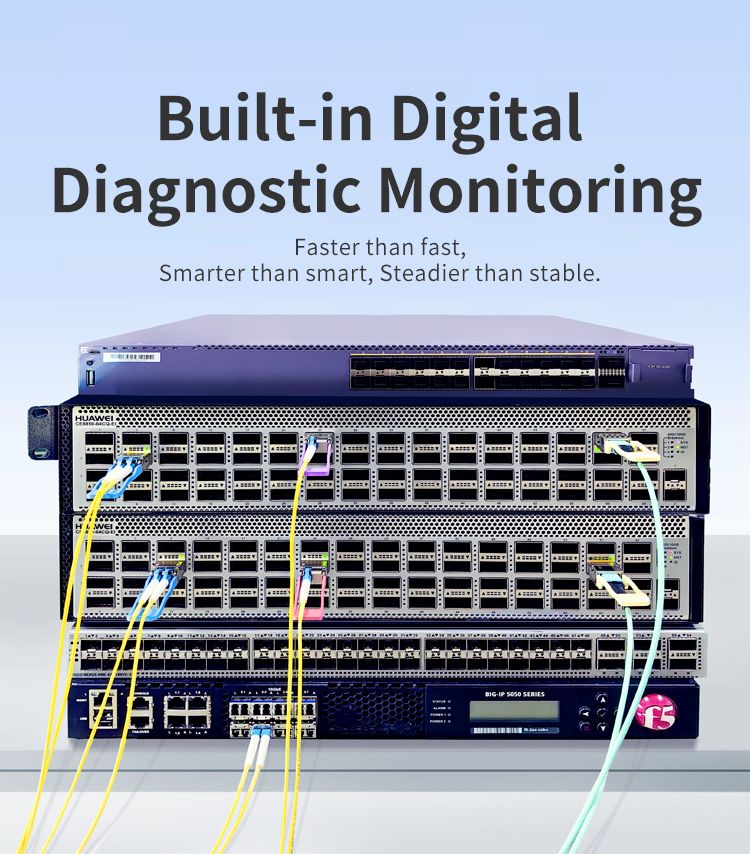
A9: Yes, most MSA-compliant modules include Digital Diagnostics Monitoring (DDM/DOM) for real-time performance tracking.
Q10: What’s the future of 25G SFP28 with 50G/100G adoption?
About ETU-LINK 25G SFP28 Optical Module
1. The Foundation: Short-Reach and Standard Long-Reach Modules
(1). 25G SFP28 SR: Designed for multi-mode fiber (MMF) with an 850nm wavelength, the SFP-25G-SR-S module typically reaches 100 meters over OM4 and 70m over OM3. It is the go-to solution for top-of-rack switching and intra-data center links.
(2). 25G SFP28 LR: The standard long-reach module for single-mode fiber (SMF). It uses a 1310nm wavelength to achieve distances of up to 10km, making it ideal for campus data center interconnects (DCI).
2. The Fiber Multiplier: 25G SFP28 BiDi Technology
(1). How it Works: A typical 25G SFP28 BiDi module pair might use TX 1295nm / RX 1309nm on one end and the inverse (TX 1309nm / RX 1295nm) on the other. Other common pairs include 1310nm/1270nm.
(2). Distance Variants: BiDi technology is available for a wide range of distances, making it incredibly versatile:
A. 10km: For campus links (SFP28 BiDi 10km optical module).
B. 20km & 40km: For metro access and longer DCI (25g bidi sfp 20km, 25g bidi sfp28 40km).
C. 80km: For long-haul transport and regional DCI (SFP28 BiDi 80km, SFP28-25G-BX80). These often require high-performance optics and are sometimes labeled as 25GBASE-ZR BIDI SFP28 Module.
3. Maximizing Fiber Capacity: 25G CWDM & DWDM Solutions
(1). 25G SFP28 CWDM: Coarse WDM utilizes up to 18 channels in the spectrum from 1270nm to 1610nm. 25g cwdm modules are a cost-effective way to increase capacity on a fiber pair for distances of 20km to 40km.
(2). 25G SFP28 DWDM: Dense WDM packs up to 96 channels on a single fiber pair with very tight channel spacing. 25g dwdm sfp modules are the foundation of high-capacity, long-haul networks.
4. Key Selection Criteria for 25G SFP28 Modules
(1). Brand Compatibility & Multi-Vendor Interoperability: Ensuring the transceiver is fully compatible with your switch hardware is paramount. Modules are available for all major brands.
(2). Transmission Distance: Precisely match the module's capability to your physical link length to ensure reliability and avoid unnecessary cost.
(3). Fiber Type and Topology: Confirm the use of MMF for SR or SMF for LR/BiDi/WDM. For BiDi, ensure you have the correct wavelength pair.
(4). Digital Diagnostic Monitoring (DDM): Most modern SFP28 modules provide real-time monitoring of temperature, voltage, laser bias, and transmit/receive power, which is crucial for network management and troubleshooting.
The 25G SFP28 ecosystem offers a transceiver for every application, from the simplicity of a SFP-25G-SR-S in a server rack to the sophisticated capacity of a DWDM system spanning.
If you are interested in our products and want to know more details,please leave a message here,we will reply you as soon as we can.
Categories
Transmitting at 1330nm and receiving at 1270nm over a single fiber strand, it enables full-duplex 25.78 Gbps data transmission.
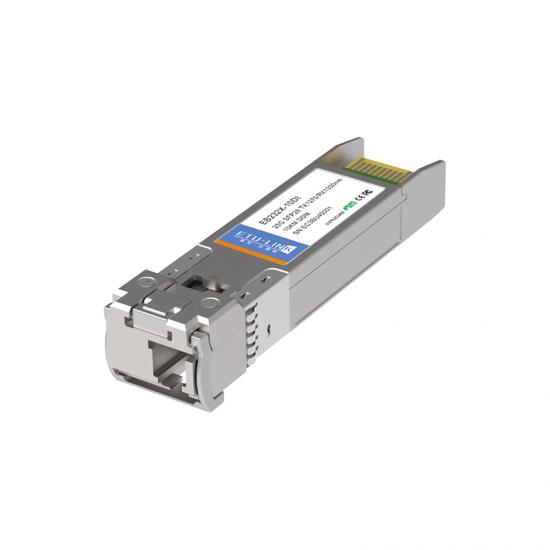
It transmits at 1270nm and receives at 1330nm over a single fiber strand, effectively doubling fiber capacity and full-duplex 25.78 Gbps data transmission.
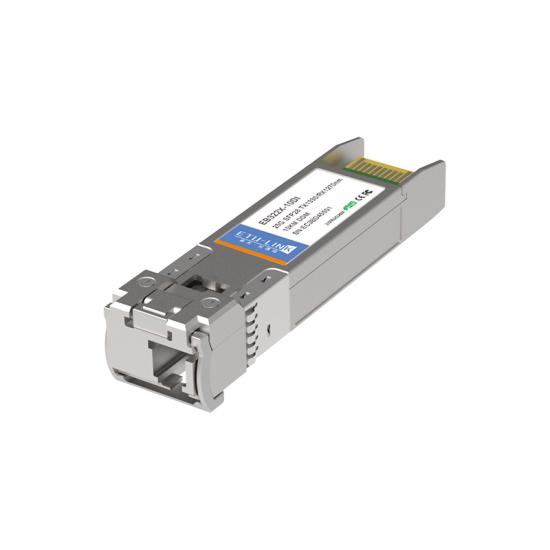
Supporting data rates up to 25.78 Gbps, this hot-pluggable transceiver achieves distances of up to 10km over single-mode fiber.
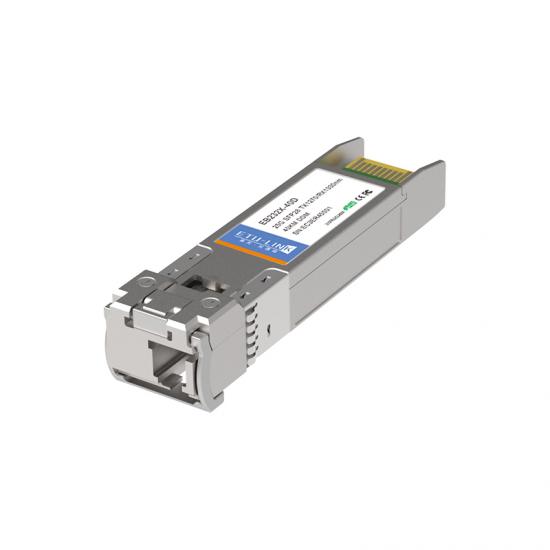
Hot-pluggable transceiver achieves reliable performance over distances of up to 40 kilometers on standard single-mode fiber.
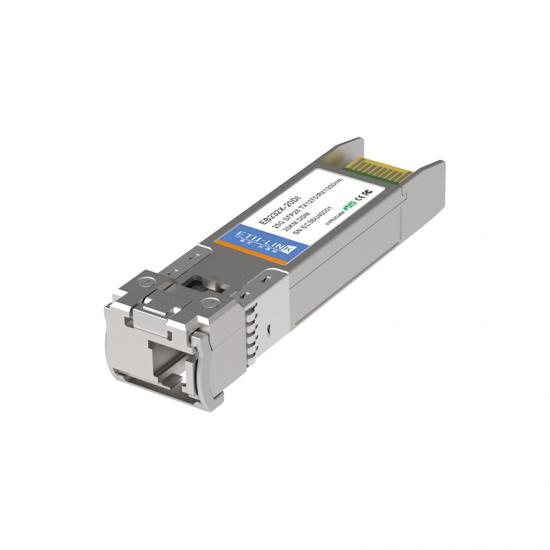
1270nm and 1330nm wavelengths over a single fiber strand to enable full-duplex 25.78 Gbps data transmission.
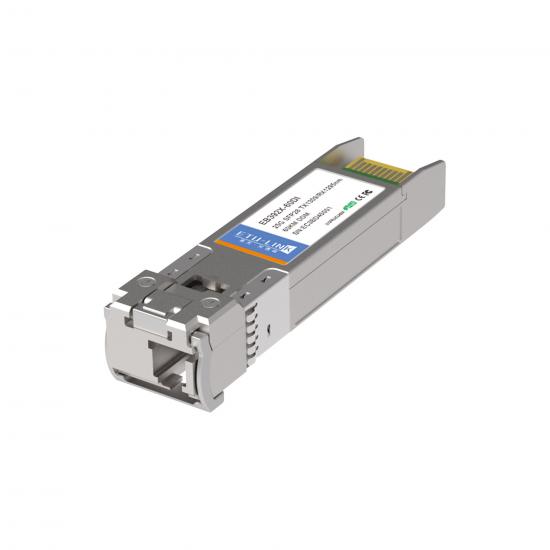
It enables full-duplex 25.78 Gbps data transmission over a single fiber strand while effectively doubling fiber infrastructure utilization.
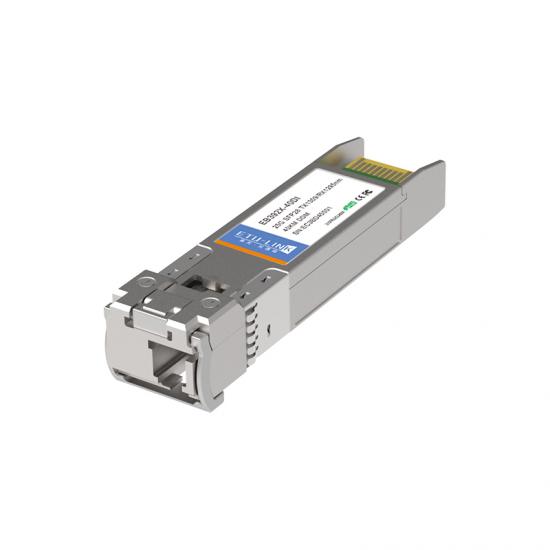
Featuring a simplex LC interface and compliant with SFP28 MSA standards, module delivers robust operation with enhanced dispersion tolerance and power efficiency.
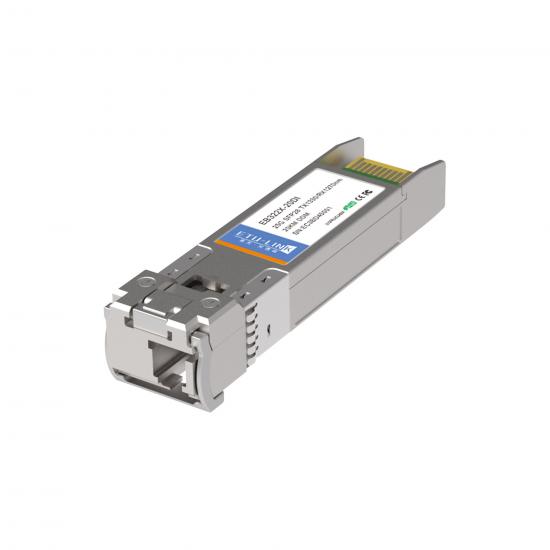
1270nm and 1330nm wavelengths over a single fiber strand to enable full-duplex 25.78 Gbps data transmission.
For inquiries about our products or pricelist, please leave your information with us and we will be in touch with in 24 hours.


 13th Floor, Building 6, Honghualing Base, Nanshan Intelligent Manufacturing Base, Liuxian Avenue, Taoyuan Street, Xili, Nanshan District, Shenzhen, China
© Copyright: 2026 ETU-Link Technology CO ., LTD All Rights Reserved.

IPv6 network supported
Friendly Links:
易天官网