English



Single mode media converter VS multimode media converter
Media converters are key components to bridge copper Ethernet and fiber optical transmission, helping businesses achieve cost-effective network expansion without full infrastructure replacement. Media converter is divided into single mode and multi-mode, the most fundamental difference is the transmission distance.
The operating mode of single mode media converter is single node and one port signal transmission, so the signal transmission distance is relatively long, which constitutes the construction of trans metropolitan area network. Single mode media converters support long-haul transmission for MAN, WAN, and telecom backbone networks.
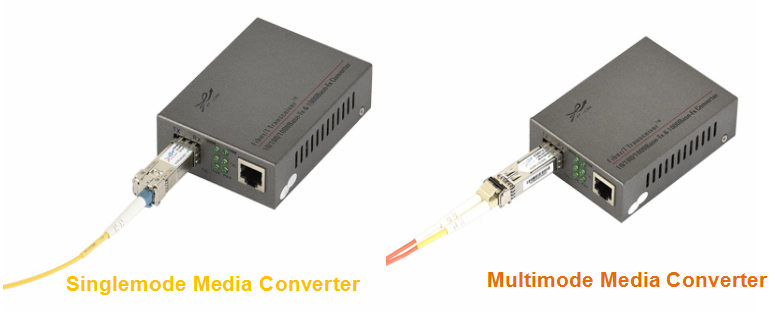
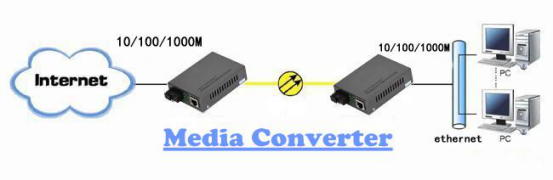
Above are some methods to distinguish single mode and multi-mode media converters. In fact, there is no good or bad between the two, but the applicable network environment is not the same, how to choose should according to the use environment. It is important to note that single mode media converter can operate normally on single-mode and multimode optical fibers, but multimode media converter can not work on single-mode optical fiber. This compatibility rule is critical for correct installation and avoiding network connection failures. For more media converter knowledge, welcome to visit our website:
If you are looking for reliable and cost-effective transceivers for your projects, check out ETU-Link's OEM/ODM Optical Transceiver solutions with 100% compatibility guarantee.
Last updated: March 25, 2026
Categories
New Blog
Tags
For inquiries about our products or pricelist, please leave your information with us and we will be in touch with in 24 hours.


 13th Floor, Building 6, Honghualing Base, Nanshan Intelligent Manufacturing Base, Liuxian Avenue, Taoyuan Street, Xili, Nanshan District, Shenzhen, China
© Copyright: 2026 ETU-Link Technology CO ., LTD All Rights Reserved.

IPv6 network supported
Friendly Links:
易天官网