English



Optical Transceivers Introduction
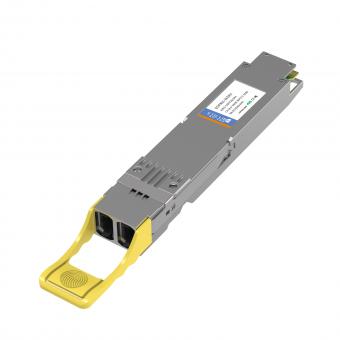
With the large-scale deployment of 800G AI computing clusters, many buyers only focus on optical parameters such as SR8/DR8/FR4 during procurement, neglecting the differences between IHS and RHS packaging. This leads to problems such as modules not fitting into the cage, insufficient heat dissipation, and project delays. This article thoroughly explains the differences between the two mainstream O...
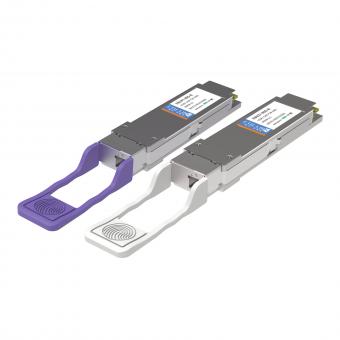
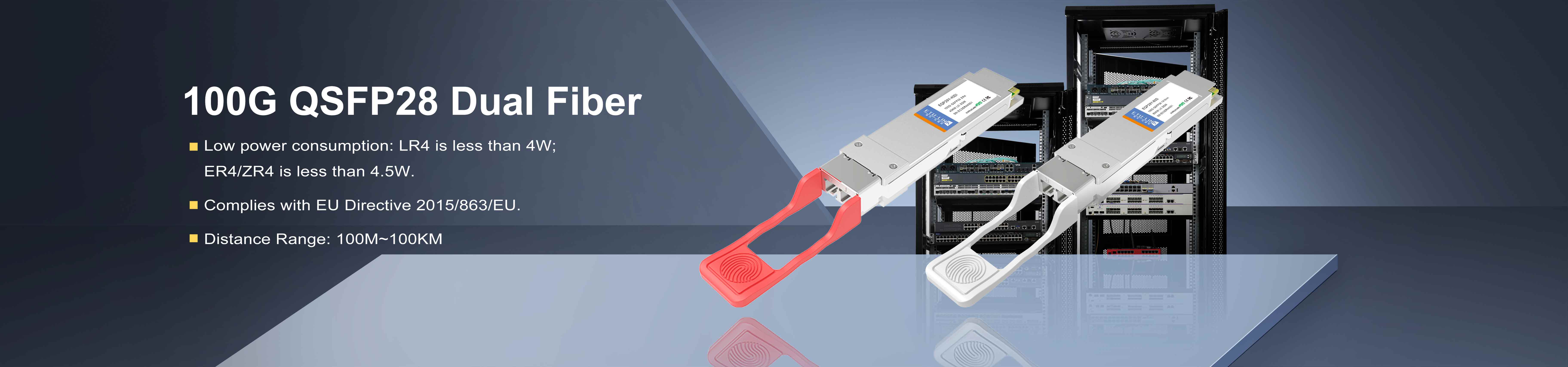
Smooth video streaming, instant cloud file transfers, and 24/7 high-speed operation of big data centers all rely on an unassuming "network hero"—the 100G QSFP28 optical module. Many people only know about its fast network speed, but they don't understand its true capabilities, applicable scenarios, or the most common pitfalls in choosing it. Today, we 'll use super easy-to-understand, practical in...

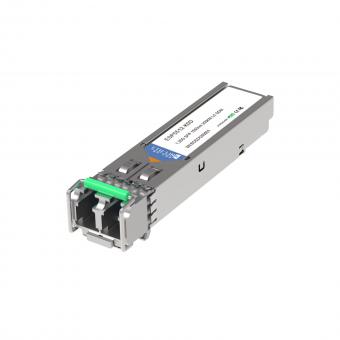
Hello, everyone working in networking, system integration, and telecommunications operations and maintenance! Friends often ask me: For remote base stations, field security, and the renovation of old government and enterprise dedicated lines, the business needs to run 25G and the distance needs to be 80km, but we only have single-core optical fiber left and do not want to lay new lines, is there a...

The rapid upgrade of AI computing power and the significant increase in network transmission bandwidth and latency requirements for large-scale model training have rendered traditional 400G networks, which are now limited in performance and unable to meet the demands of high-end intelligent computing scenarios, a new iteration cycle has begun.The industry is now entering a phase of large-scale com...

AI computing infrastructure is expanding at full speed. 800G OSFP and QSFP-DD Optical Modules have fully entered the market adoption cycle. The industry is generally showing a differentiated pattern where leading manufacturers are operating at full capacity and order schedules are lengthening, while small and medium-sized manufacturers are accelerating production expansion to grab market share. Th...
With the explosive growth of cloud computing and AI big data models, and the iterative upgrade from 5G to 6G, network bandwidth demand has seen an explosive increase. From backbone networks to metropolitan area networks, from data center interconnect (DCI) to enterprise core networks, 400G has become the "mainstream threshold" for high-speed transmission. Among them, 400G QSFP-DD LR4, with its uni...

As the core hub of optical communication systems, the rate iteration of optical modules determines the data transmission efficiency and upper limit, supporting the upgrading of industries such as digital economy, AI computing power, and 5G communication. From 1.25G to 800G, the iteration of optical modules is accompanied by innovations in architecture, principles, and performance. This article wil...
With the rapid development of data centers, AI, and 5G transport networks, 400G optical modules have become a core necessity in the communications industry chain. Compared to the mature 100G optical modules, their large-scale deployment still faces many underlying technical and application challenges, directly restricting market penetration and affecting cost control and operational stability in d...
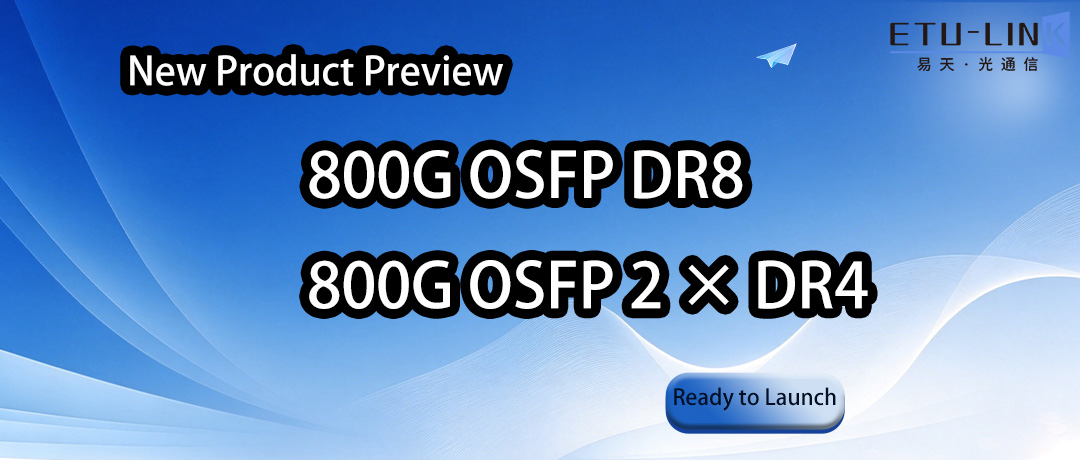
With the rapid development of AI computing power and the continuous surge in data center traffic, 400G networks are gradually reaching their performance bottlenecks. To adapt to the needs of high-density, low-latency computing network upgrades, ETU-LINK Optical Communication has launched a pre-launch campaign for new products, showcasing two self-developed 800G high-speed optical modules based on ...
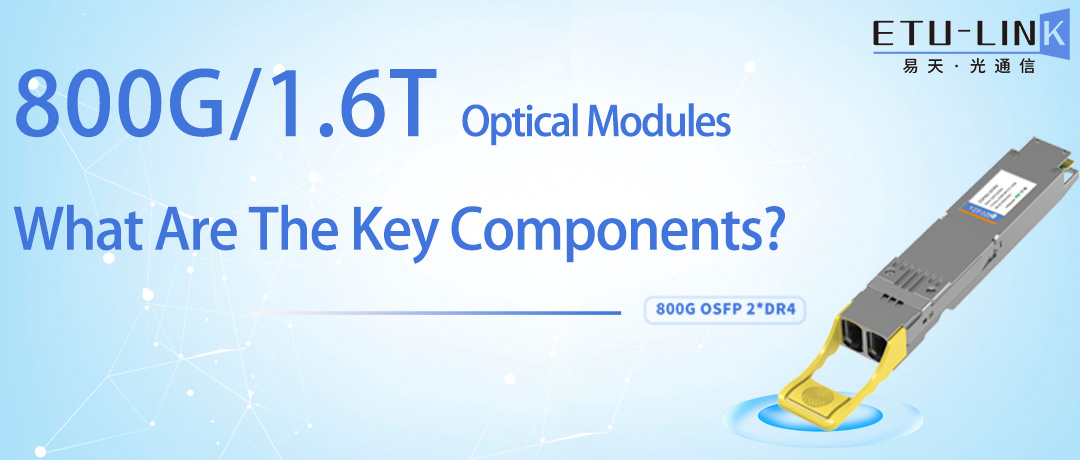
With the rapid expansion of AI computing clusters and large data centers, the optical communication industry is accelerating its iteration from 400G to 800G large-scale commercial use and 1.6T small-batch trial production. The core of upgrading high-speed optical modules lies not in simply increasing the speed, but in the technological innovation of core optoelectronic materials. In 800G/1.6T tran...
Categories
New Blog
Tags
For inquiries about our products or pricelist, please leave your information with us and we will be in touch with in 24 hours.


 13th Floor, Building 6, Honghualing Base, Nanshan Intelligent Manufacturing Base, Liuxian Avenue, Taoyuan Street, Xili, Nanshan District, Shenzhen, China
© Copyright: 2026 ETU-Link Technology CO ., LTD All Rights Reserved.

IPv6 network supported
Friendly Links:
易天官网