English



Knowledge extension of DWDM optical module
This article fully expands core knowledge of DWDM optical transceivers, covering ITU-T G.694.1 standard C-band wavelength grid, mainstream package types (SFP/SFP+/XFP), technical differences vs CWDM, transmission distance parameters, and backbone/DCI network deployment scenarios for telecom transmission engineers and data center integrators.
1. What Is DWDM Optical Module & Its Working Principle
DWDM optical module belongs to dense wavelength division multiplexing (DWDM) technology, which uses different wavelengths to multiplex multiple optical signals into a single fiber to transmit data without consuming any power.
DWDM full name Dense Wavelength Division Multiplexing, formulated under ITU-T G.694.1 international standard, adopts ultra-narrow frequency grid (50GHz/100GHz channel spacing) concentrated in 1530–1565nm C low-loss fiber window. Each independent wavelength carries a separate service signal; after multiplexed by MUX, dozens of data streams transmit simultaneously on one single-mode fiber, greatly improving fiber pipeline utilization without laying new optical cables. DWDM modules use cooled DFB laser chips to lock fixed standard wavelengths, avoiding adjacent channel crosstalk.
2. Standard ITU-T DWDM C-Band Wavelength Channel Grid
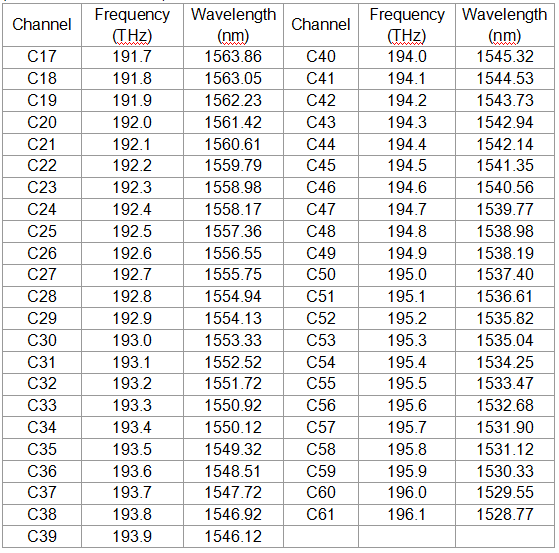
DWDM optical module is an optical module for dense wavelength division multiplexing. It has 45 channels to choose (C17-C61) and wavelength range (1563.86 ~ 1528.77nm).
The table adopts universal 100GHz spacing DWDM grid anchored at 193.1THz reference frequency, covering C17 to C61 total 45 standard channels.
All ETU-LINK DWDM transceivers strictly match this standard wavelength table to ensure interworking with third-party MUX/DEMUX multiplexers and transmission equipment.
3. Main Package Types of DWDM Optical Modules
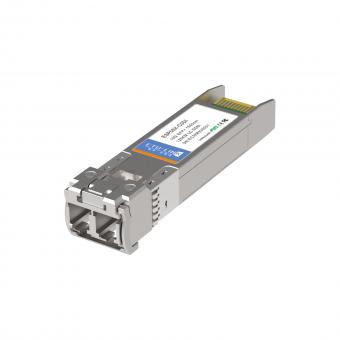
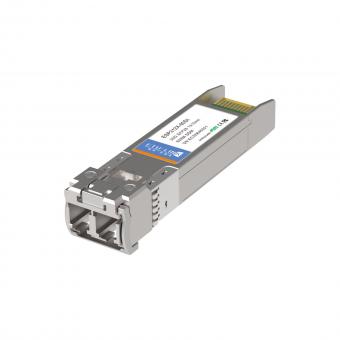
The common types of DWDM optical modules are DWDM SFP, DWDM SFP+ and DWDM XFP.
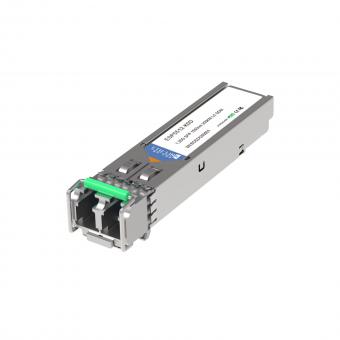
1). DWDM SFP: 1.25G gigabit rate, 100km maximum transmission, used for traditional SDH/STM4 metro transmission equipment;
2). DWDM SFP+: 10G mainstream rate, 40/80/120km optional distance, most widely deployed in OTN, 5G core and medium-long distance DCI interconnection;
3). DWDM XFP: Early 10G large-size package, compatible with old generation transmission switches, gradually replaced by compact SFP+;
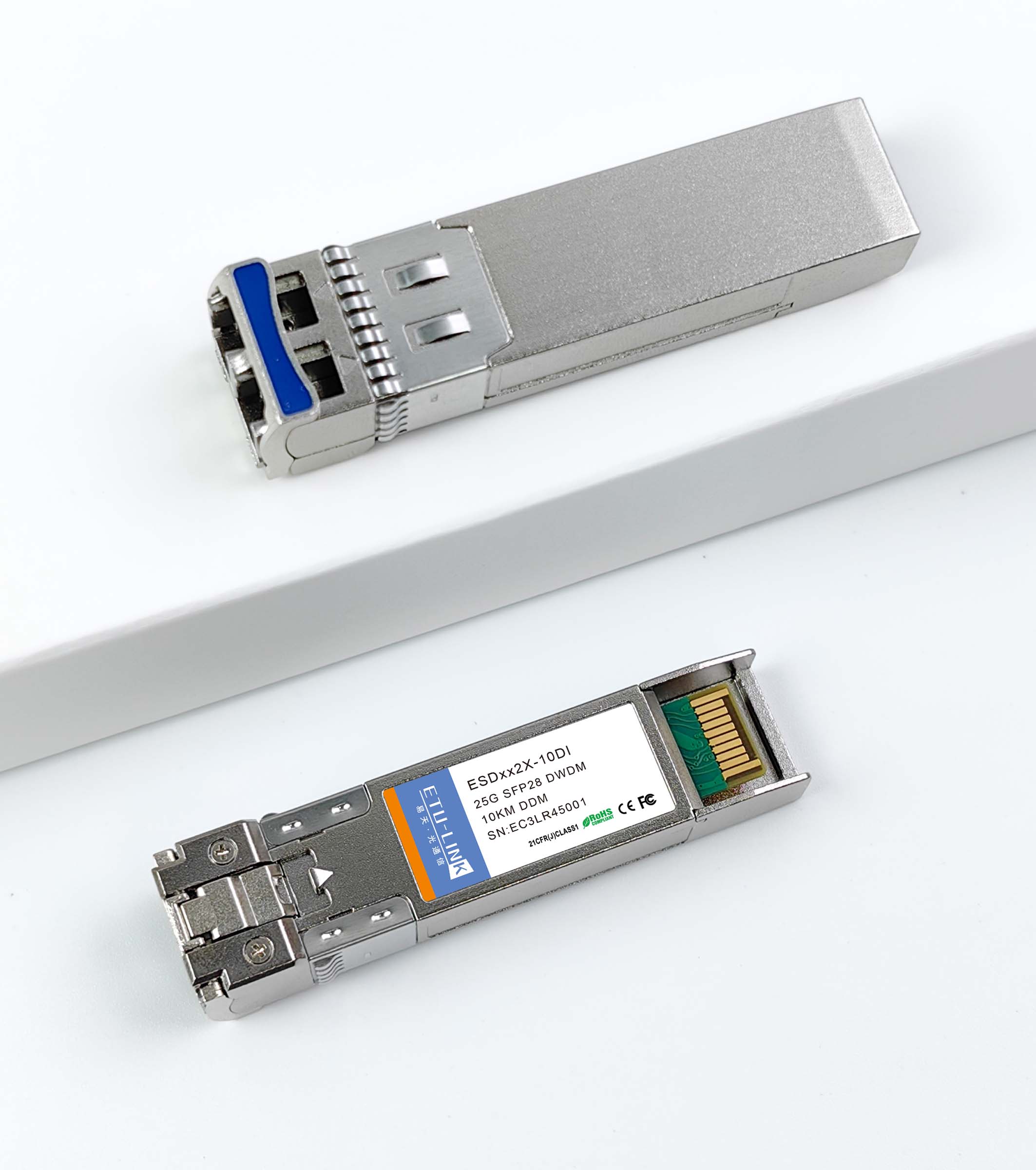
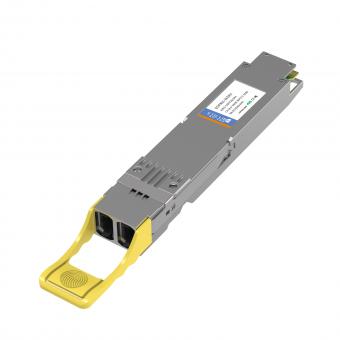
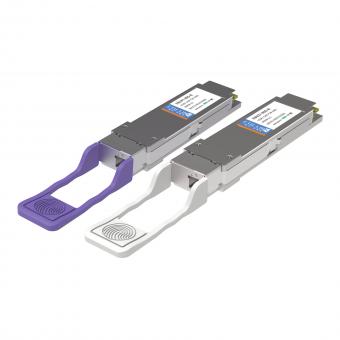
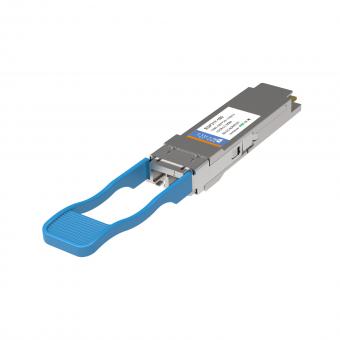
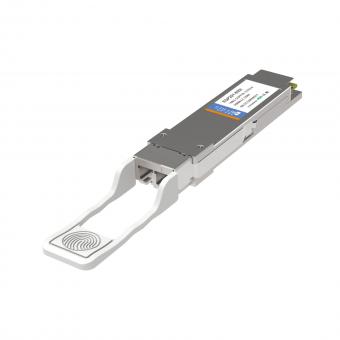
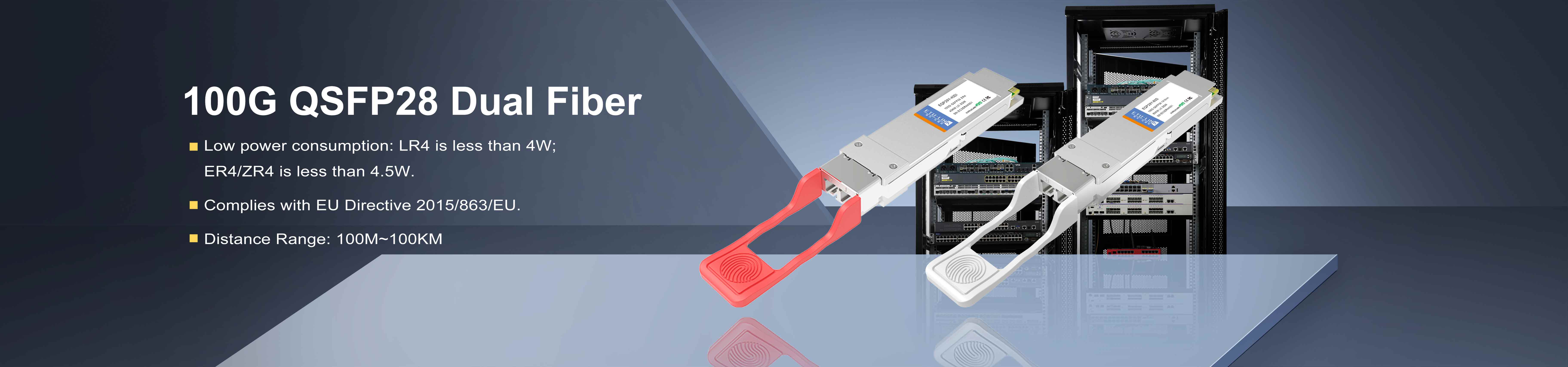
4). Extended high-speed models: 25G SFP28 DWDM, 40G QSFP+ DWDM, 100G QSFP28 DWDM for new generation cloud data center interconnection.
Due to the dense channel spacing of DWDM optical module, it is suitable for large-scale optical network with long distance. If you are looking for long-distance optical module and want to have better scalability, DWDM optical module provided by ETU-Link is your ideal choice.
4. Application of DWDM optical module
DWDM optical module can be used in amplifying DWDM Networks, fixed and reconfigurable OADM ring network topology, Fast Ethernet, 1G/10G Ethernet, fiber channel, synchronous optical network, optical transmission equipment and other applications.
5: DWDM VS CWDM Core Technical Differences
1). Channel Spacing: DWDM 50/100GHz (0.4/0.8nm); CWDM 20nm wide interval;
2). Channel Quantity: DWDM up to 80+ channels; CWDM maximum 8 standard channels;
3). Laser Chip: DWDM cooled wavelength-locked DFB; CWDM uncooled low-cost laser;
4). Transmission Distance: DWDM supports thousand-kilometer transmission with EDFA; CWDM limited within 80km without amplifier;
5). Applicable Network: DWDM large-capacity backbone/DCI; CWDM short-distance enterprise/5G fronthaul;
6).Unit Cost: DWDM higher single module cost; CWDM low initial investment for small capacity.
Last updated: July 28 2026
Categories
New Blog
Tags
For inquiries about our products or pricelist, please leave your information with us and we will be in touch with in 24 hours.


 Factory: Right Side Of 3rd Floor, No. 102 Building, Longguan Expressway, Dalang Street, Longhua District, Shenzhen
Office: Floor 4, Building 4, Nanshan Yungu Phase ll, Taoyuan Community, XiliStreet,Nanshan District, Shenzhen
© Copyright: 2026 ETU-Link Technology CO ., LTD All Rights Reserved.

IPv6 network supported
Friendly Links:
易天官网