English



Meaning of Optical Module Pull Tap Colors
In the complex network world of data centers, optical modules play a crucial role, efficiently converting electrical and optical signals to ensure stable, high-speed data transmission across fiber optic networks. Many network maintenance engineers and procurement staff often ask: What does each pull tab color of optical module stand for? How to judge wavelength/fiber type/distance via pull ring? Are pull tab color rules universal across different manufacturers? The color of the small pull tab on an optical module, while seemingly insignificant, hides a wealth of crucial information. This article sorts out industry standard pull tab coding rules for SFP/SFP+/QSFP/QSFP28 modules to facilitate on-site inventory sorting and troubleshooting.
The color of the optical module pull tap is not just for aesthetics. Its core function is to quickly identify the module's applicable fiber type, wavelength, and function. This helps technicians intuitively determine its type and application scenario without removing the module, greatly improving operation and maintenance efficiency.
Standardized pull tab color coding is widely adopted in data center asset management, warehouse stock classification and on-site rapid fault checking; users can preliminarily confirm MM/SM, transmission distance and wavelength before checking module specification label.
1. Basic Color Identification for Single-Mode and Multi-Mode Fiber Optics
① Multimode fiber optic module: The pull tap is black, corresponding to a wavelength of 850nm, suitable for short-distance transmission (such as less than 2km).
②Single-mode fiber optic module:
Blue--Wavelength 1310nm: Commonly used for medium-distance transmission.
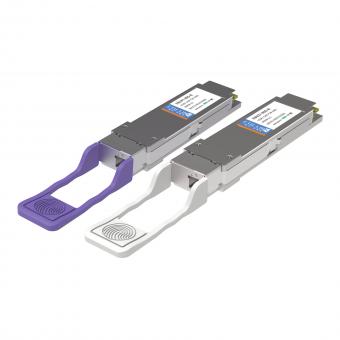
Purple--Wavelength 1490nm: Commonly used for medium-distance transmission.
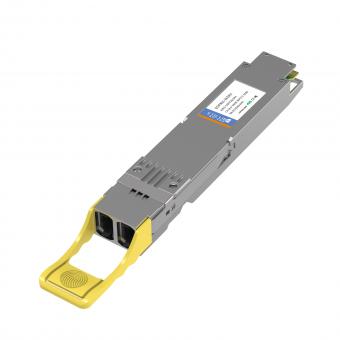
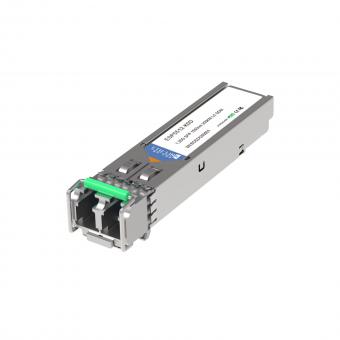
Yellow/Green--Wavelength 1550nm: Yellow is usually used for long-distance transmission of 40km and above; Green is usually used for ultra-long-distance transmission of 80km and above.
2. BIDI SFP Single-fiber Bidirectional Optical Module Pull Tap Color
The characteristic of a single-fiber bidirectional optical module is that it can realize signal transmission in two directions simultaneously on a single optical fiber. Different wavelength combinations and pull-ring colors correspond to different transmission specifications. The pull-ring colors corresponding to specific wavelengths are as follows:
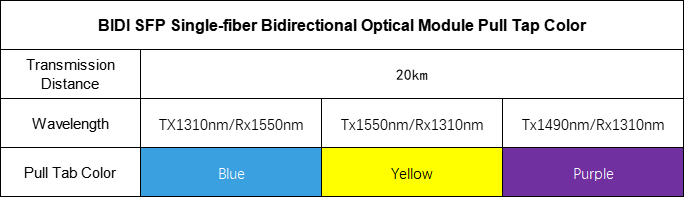
All BIDI modules must be used in paired wavelength combinations, matching opposite Tx/Rx wavelength at two ends; pull tab color is the most intuitive pairing reference during on-site wiring.
3. CWDM Optical Module Wavelength-corresponding Pull Tap Colors
The CWDM module pull-tab colors correspond more closely to wavelengths, divided into front wavelengths (1270nm-1450nm) and rear wavelengths (1470nm-1610nm). The pull-tab colors corresponding to specific wavelengths are shown in the following table:
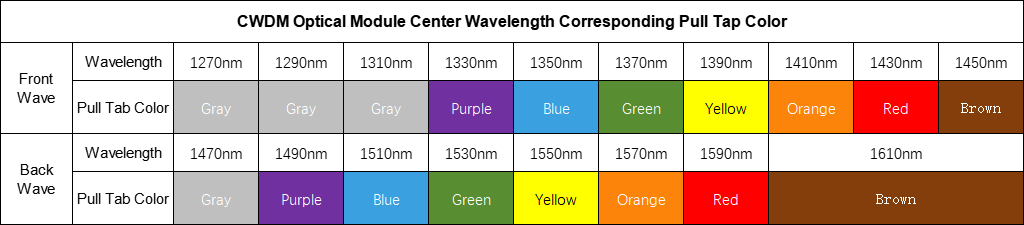
CWDM pull tab coding follows international industry uniform standard for coarse wavelength division multiplexing; 18 kinds of wavelengths match exclusive pull ring colors to quickly pick target wavelength modules from CWDM chassis slots.
4. 10G SFP+ Optical Module Pull Ring Colors
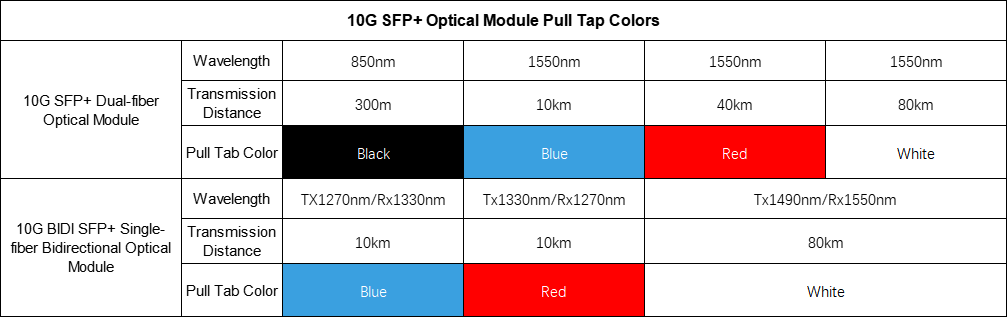
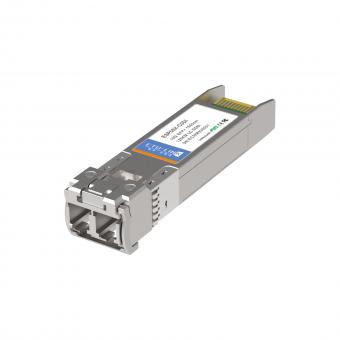
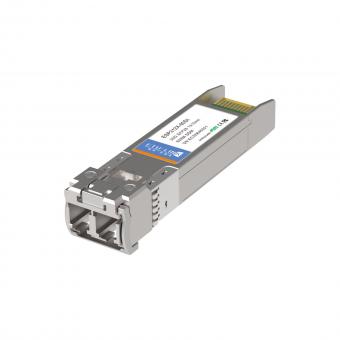
10G SFP+ red pull tab = ER 40km, white pull tab = ZR 80km; this color rule is the mainstream standard among mainstream brands including Cisco, Huawei and ETU-LINK.
5. QSFP+ Optical Module Pull Ring Colors
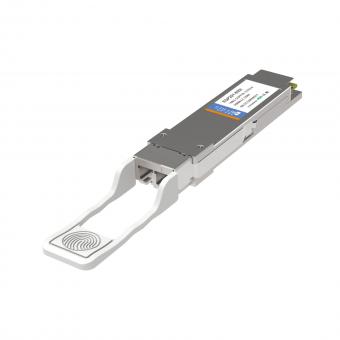
40G QSFP+ 850nm SR4 150m optical module with a beige pull-tab design, designed for short-distance, high-speed data transmission.
Supplementary mainstream high-speed pull tab specification:
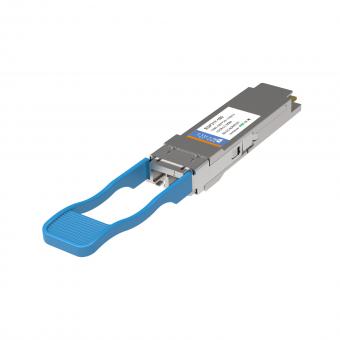
1).40G QSFP+ LR4 10km single mode: Blue pull tab; 40G ER4 40km: Red pull tab
2).25G SFP28 SR(850): Black pull tab; LR(1310): Blue pull tab
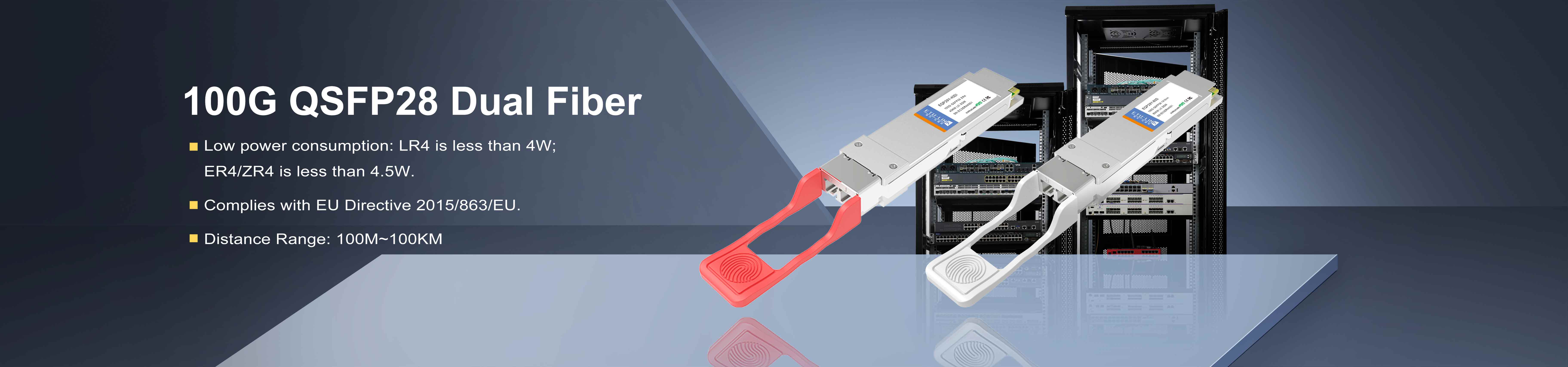
3).100G QSFP28 SR4(850): Beige pull tab; LR4(1310): Blue pull tab; ER4: Red pull tab
Color universality limitations: The same color may correspond to different wavelengths in different scenarios. For example, green represents ultra-long distance in conventional modules but corresponds to 1530nm in CWDM modules.
Manufacturer non-standard color scheme: Some manufacturers may use custom color schemes. In actual application, it is necessary to confirm with the module label or manual.
Package type: The color coding rules for different package types (such as SFP, SFP+, and QSFP) are basically the same. However, it is important to note the special wavelengths of high-speed modules (such as 10G and 25G). For example, the 1330nm wavelength of a 10G single-fiber module corresponds to blue.
Three key precautions:
1) Pull tab color is only preliminary identification basis, final specification must refer to module silk-screen label and DDM reading;
2) Custom private-label modules may break general color rules for OEM orders;
3) When mixing multi-brand modules in one cabinet, prioritize model coding instead of only relying on pull ring color.
Optical module pull tab colors serve as a visual language in network operations and maintenance. Their core value lies in simplifying module selection and troubleshooting. Colors can be used to quickly distinguish single-mode/multi-mode, transmission distance, and special features. However, it's important to consider vendor differences and scenario specificities. Cross-verification with label information is essential to ensure accurate and efficient network deployment.
Mastering pull tab color rules greatly shortens maintenance time during data center upgrade and fault replacement; ETU-LINK full range SFP/SFP+/SFP28/QSFP+/QSFP28 optical modules strictly follow industry standard pull tab color coding for convenient customer management and deployment.
About ETU-Link
ETU-Link Technology Co., Ltd., founded in 2014, is a high-tech enterprise specializing in the research, development, production, and sales of optical communication components. With high-speed optical modules as its core product, the company specializes in serving the fiber optic communication markets, including telecommunications, data communications, and storage.
Last updated: June 3, 2026
For inquiries about our products or pricelist, please leave your information with us and we will be in touch with in 24 hours.


 13th Floor, Building 6, Honghualing Base, Nanshan Intelligent Manufacturing Base, Liuxian Avenue, Taoyuan Street, Xili, Nanshan District, Shenzhen, China
© Copyright: 2026 ETU-Link Technology CO ., LTD All Rights Reserved.

IPv6 network supported
Friendly Links:
易天官网