English



400G vs 800G Optical Module Technology Battle
The explosive growth in demand for AI computing power is pushing data centers to a critical inflection point for upgrades. Looking ahead to 2026, the battle between 400G and 800G optical modules is no longer just a race for speed, but a generational choice concerning power consumption, cost, and future architecture.
I. Technical Architecture: The Transition from 8×50G to 8×100G
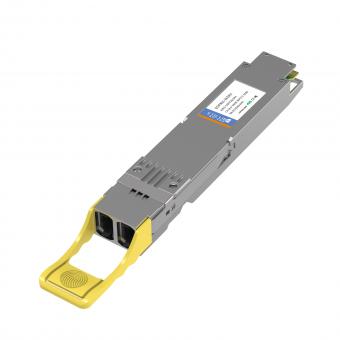
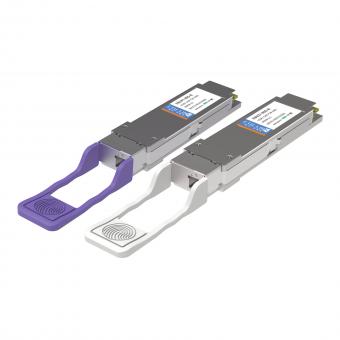
The 400G optical module is based on the mature 8×50G or 4×100G PAM4 architecture. Since its mass production in 2019, it has undergone nearly six years of market validation and is currently the most technologically mature and ecosystem-complete solution. The 800G, on the other hand, adopts an 8×100G PAM4 parallel optical architecture, which doubles the bandwidth with the same number of optical fibers, increasing the single-port rate to 800Gbps.
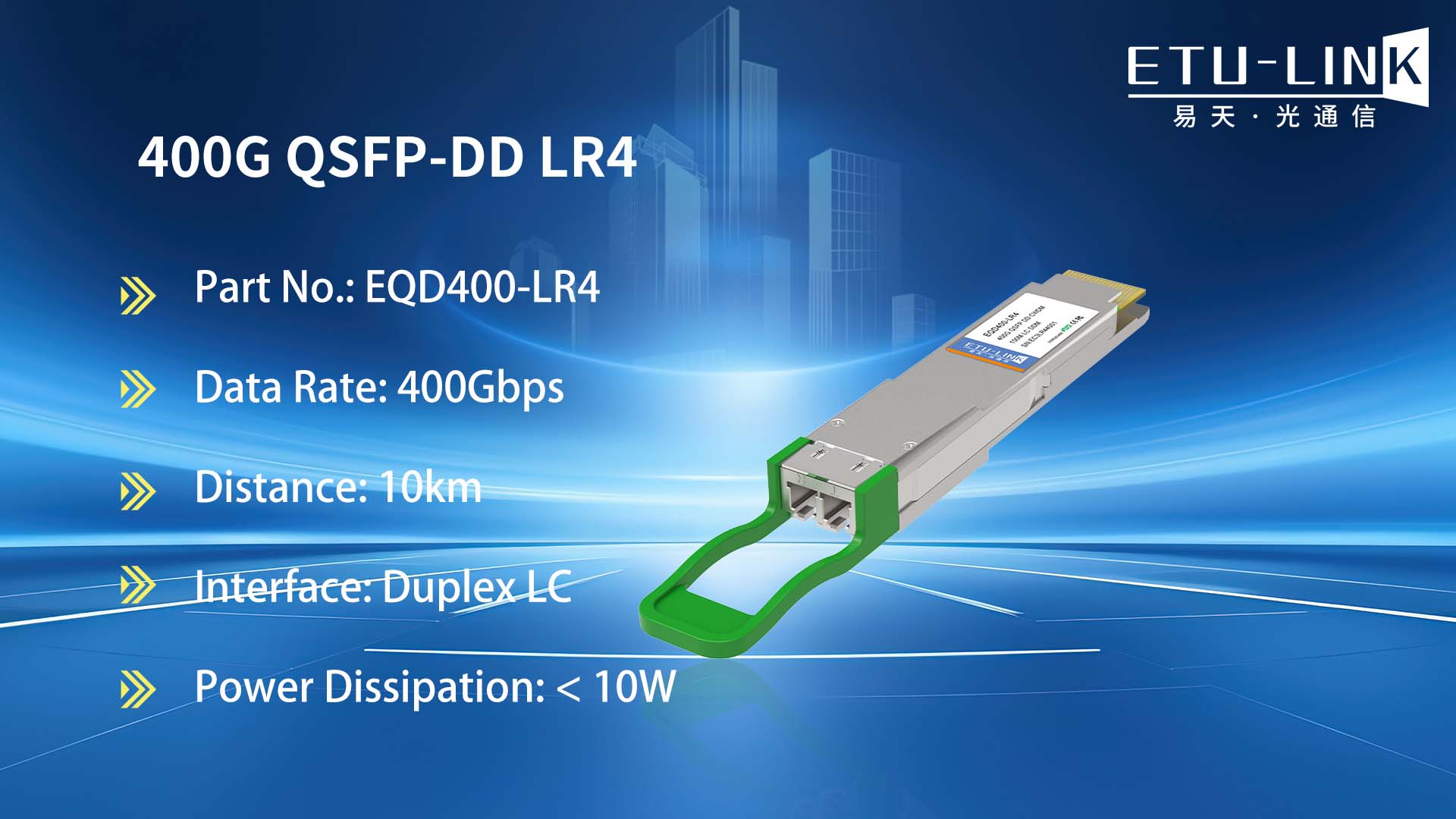
Notably, the 800G DR8 architecture uses the MPO-16 connector, supports a transmission distance of 500 meters, and can branch down to 2×400G DR4, achieving compatibility with existing 400G infrastructure. This design allows data center operators to upgrade on demand, avoiding the high costs associated with "forklift-style" replacements.
II. Power Consumption Showdown: The Diverging Technical Paths of DSP and LPO
Power consumption is the most obvious difference between the two. Traditional 800G modules with DSP consume over 16W, a significant increase compared to the 10W of 400G. However, with the maturity of LPO (Linear Pluggable Optical Module) technology, the situation is changing.
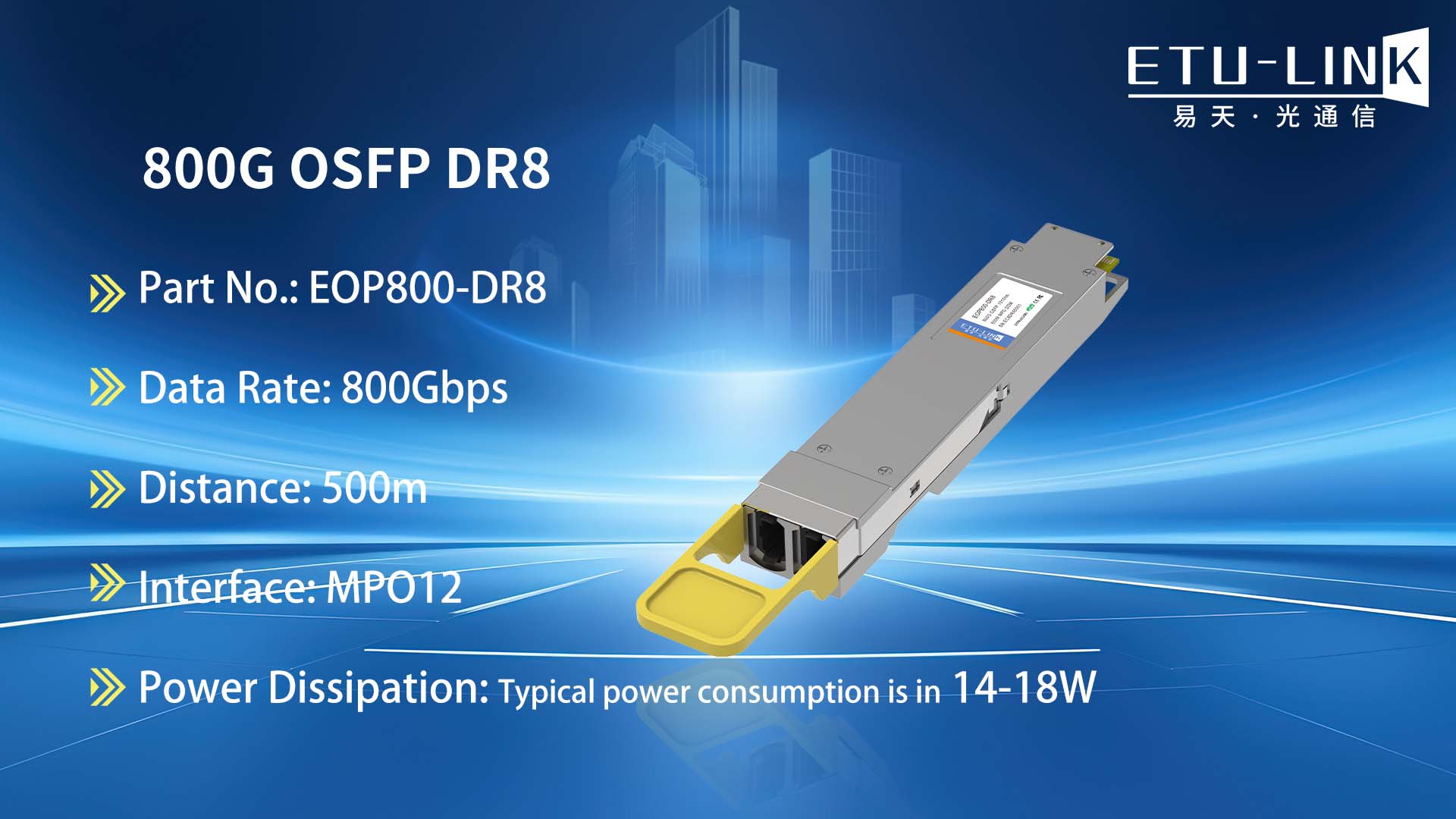
Data shows that the power consumption of the 800G DR8 LPO module can be reduced to below 8.5W, a significant reduction compared to traditional solutions. The LRO (Linear Receiver Pluggable) solution also performs well, with the 800G DR8 LPO power consumption controlled at 9-10W, which is lower than traditional DSP solutions. For an AI training cluster with 100,000 GPU, this translates to energy savings of tens of megawatts.
III. Market Turning Point: Generational Shift Driven by AI
In terms of market penetration, 400G will remain the mainstream choice in 2025-2026, especially suitable for standard cloud computing and enterprise-level deployments. A recent report from Cignal AI indicates that 400ZRx has become the most widely used coherent technology, while 800ZRx will outpace all earlier coherent technologies, becoming the new standard for AI data center interconnects.
IV. Upgrade Path: A Strategic Choice for the Future
For data center operators, 400G offers the optimal TCO (Total Cost of Ownership) and the shortest ROI cycle. However, for newly built AI clusters, 800G is the only viable option. More importantly, 800G provides a clear evolution path for 1.6T and even 3.2T – the next-generation 3200G module will adopt an 8×400G architecture, with mass production expected around 2028.
As industry experts have stated, "Determine speed and transmission distance, match form factor, select fiber type, and finally verify interoperability." This logic will help enterprises choose between 400G and 800G to meet current needs while laying the groundwork for the next three years. The inflection point for data center upgrades has arrived; 400G and 800G are not simply replacements, but rather optimal solutions for different scenarios. The truly smart choice is to find a balance between technological maturity and forward-thinking.
For inquiries about our products or pricelist, please leave your information with us and we will be in touch with in 24 hours.


 13th Floor, Building 6, Honghualing Base, Nanshan Intelligent Manufacturing Base, Liuxian Avenue, Taoyuan Street, Xili, Nanshan District, Shenzhen, China
© Copyright: 2026 ETU-Link Technology CO ., LTD All Rights Reserved.

IPv6 network supported
Friendly Links:
易天官网