English





Building an Asia-Pacific Community: What Are The Positive Trends of APEC?
As the world's attention focused on Shenzhen Bay, the 33rd APEC Leaders' Informal Meeting officially commenced.
From Shanghai in 2001, Beijing in 2014, to Shenzhen in 2026, China is hosting the APEC Leaders' Informal Meeting for the third time, with the theme of building an Asia-Pacific community and promoting common prosperity .
Many people ask: What exactly can APEC bring? What common positive trends lie behind the so-called "Asia-Pacific Community"? It is not just a grand slogan, but a consensus among 21 economies to seek common ground while reserving differences and to jointly explore growth opportunities.
Today, we'll use simple language to understand the positive implications behind this grand event and its connection to Shenzhen and ordinary people like us.
Ⅰ.Why Was Shenzhen Chosen as the Host City for This Year’s APEC?
Shanghai is the starting point for China's integration into the global multilateral system, Beijing launched the roadmap for the Asia-Pacific Free Trade Area, and Shenzhen is a vivid example of innovation, foreign trade, and manufacturing .
Backed by the Guangdong-Hong Kong-Macao Greater Bay Area, Shenzhen is the leading city for domestic and international trade, boasting a high concentration of electronic information, new energy, and AI industry clusters, with its industrial chain deeply integrated with the Asia-Pacific region. Choosing Shenzhen is to demonstrate to the Asia-Pacific region that openness, innovation, and marketization can foster economic miracles.
Discussions about the digital economy, green transformation, and smooth supply chains here naturally possess the industrial foundation and practical persuasiveness. It is not just a city hosting a conference, but also the best real-world example of Asia-Pacific cooperation.
Ⅱ.What Benefits Does APEC Bring to People’s Livelihoods in Shenzhen?
For ordinary Shenzhen residents, the impact of APEC is tangible:
Stepping into the subway, you'll find themed landscapes, bilingual signage, foreign card gates, increased train frequency, and 50% off bus and subway fares, all while maintaining more standardized security checks. Flower borders, lighting displays, and foreign language volunteers are everywhere along the main roads, creating a truly international atmosphere.
In the short term, there will be temporary traffic control and security upgrades around the venue, which will cause some inconvenience to travel; however, flexible control, guidance on green travel, and public transportation benefits will minimize the disruption to the lives of ordinary people.
In the long run, the city's refined governance, international service system, and international supporting facilities will continue to improve. The city's brand will be continuously enhanced, attracting global talent and headquarters, and leading to a continuous increase in international and cross-border service industry jobs, bringing more employment and development opportunities to ordinary people.
A city that hosts an international event will enjoy a scenic view in the short term, and a significant leap in its status in the long term.
Ⅲ. Building an Asia-Pacific Community: Three Core Positive Trends
1.Unilateralism, trade barriers, and supply chain decoupling are common risks in the Asia-Pacific region. APEC's primary consensus is to uphold the bottom line of open trade and investment facilitation, and steadily advance the construction of the Asia-Pacific Free Trade Area.
Benefits include: reduced customs clearance costs, simplified certification, and fewer unnecessary trade barriers. For businesses, cross-border trade becomes smoother; for consumers, there are more Asia-Pacific goods and lower distribution costs.
2.Asia-Pacific economies share a highly consistent goal: to capitalize on the benefits of artificial intelligence, cross-border digital trade, computing power, and data connectivity, while bridging the digital divide.
Developed economies prioritize the practical application of technology, while developing economies hope to leverage digital technologies to achieve a leapfrog development. Shenzhen's science and technology innovation enterprises and the manufacturing sector of the Greater Bay Area will become important participants in this race.
Benefits: Accelerated implementation of cooperation in digital standards alignment, cross-border e-commerce, intelligent manufacturing, and AI applications.
3.Green transformation is a common challenge for the Asia-Pacific region, but different economies have different resource endowments and development stages, so a one-size-fits-all approach will not be adopted. The consensus is to expand cooperation in renewable energy, energy storage, green finance, and low-carbon technologies, while avoiding green rules from becoming new trade barriers.
Interests targeted: Simultaneous advancement of new energy industry chain going global, green technology sharing, blue economy (marine economy), and food security cooperation.
Ⅳ.Innovation-Driven Growth: The Optical Communications Industry Faces Medium- to Long-Term Value Opportunities
Digital economy, artificial intelligence, and interconnected computing power cannot be separated from the support of underlying infrastructure. Optical communication is the invisible "bloodline" of the Asia-Pacific digital network.
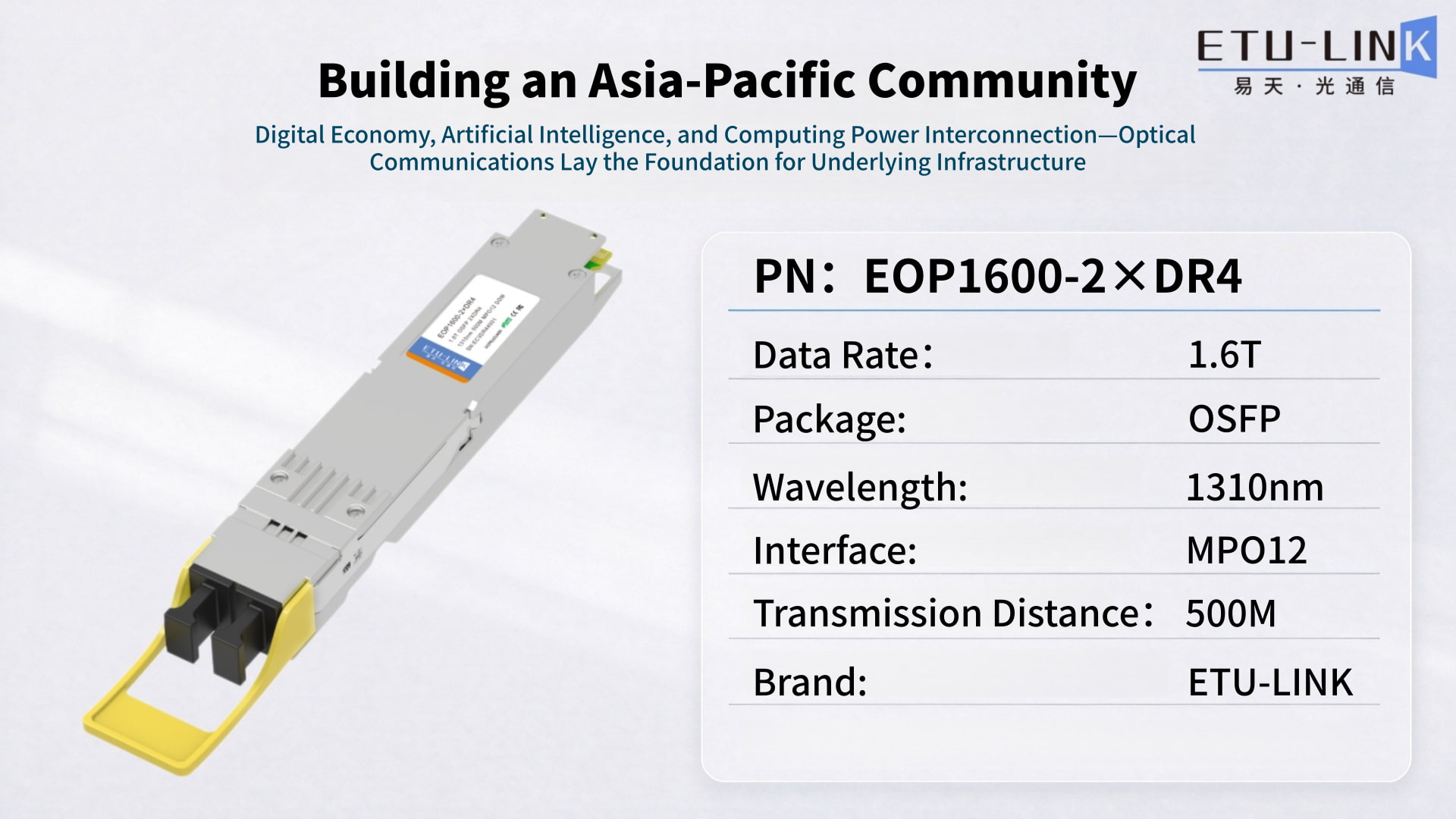
1. Expansion of cross-border telecommunications infrastructure is driving demand for optical fiber and high-speed optical modules.
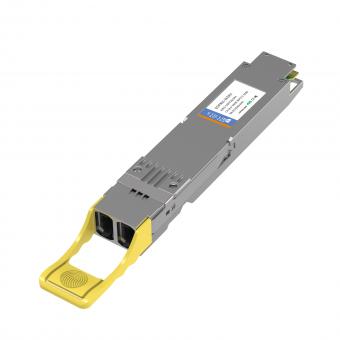
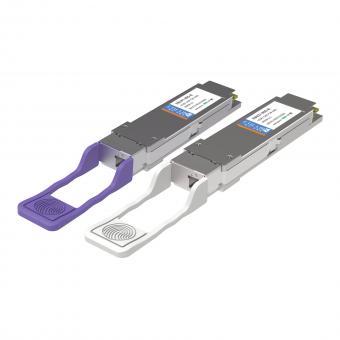
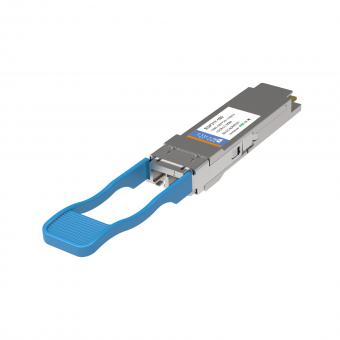
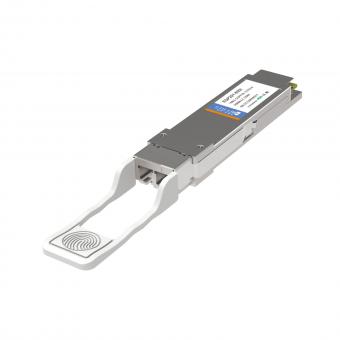
APEC's advocacy for regional connectivity will drive the construction and expansion of submarine optical cables and the development of cross-border optical transmission links among Asia-Pacific economies. Coupled with the surge in AI computing power, intelligent computing centers are being launched across the Asia-Pacific region, continuously releasing demand for 800G, 1.6T, and 3.2T high-speed optical modules. Meanwhile, the consensus on bridging the digital divide is also driving the construction of basic optical networks in developing economies, opening up incremental markets for optical fibers and basic optical equipment.
2. Promoting regional standard harmonization helps reduce trade barriers for companies expanding overseas.
Through the APEC Digital Economy Working Group, participating economies are expected to advance the alignment and mutual recognition of standards and certifications related to optical interconnection and computing networks. In the long run, the export of domestic optical modules and devices to APEC economies such as ASEAN and Oceania will see shorter certification cycles, lower compliance costs, and continuously optimized barriers to overseas expansion.
3. Green computing consensus drives the implementation of low-power optical communication technology.
The summit's green and low-carbon themes have extended to computing infrastructure: energy consumption pressures on computing clusters are prominent, and the Asia-Pacific region is jointly promoting green computing. Low-power, high-speed optical modules, silicon photonics solutions, and energy-saving optical interconnects have become common areas of focus. Silicon photonics is a key area of development for many domestic and Shenzhen-based optical communication companies, and their technological advantages have the potential to translate into regional cooperation advantages.
Ⅴ.Conclusion
From the Huangpu River to Yanqi Lake, and then to Shenzhen Bay, the three APEC host events are a testament to China's continued commitment to the Asia-Pacific region, its efforts to build the Asia-Pacific region, and its contributions to the Asia-Pacific region.
The APEC logo features 21 wings intertwined to form a mythical bird, symbolizing the harmonious coexistence and shared prosperity of the 21 economies. Building an Asia-Pacific community essentially boils down to one sentence: no zero-sum games, no camp confrontations, but working together to make the Asia-Pacific region a larger pie.
The Pacific Ocean is vast enough to accommodate the common development of all economies. The story of Shenzhen is the story of reform and opening up; the story of the Asia-Pacific community is the story of open cooperation and mutual benefit.
The digital infrastructure industry, represented by optical communications, will continue to pave the way for Asia-Pacific digital cooperation, creating an "information superhighway" to the future.
If you want to stay informed about industry trends, communications developments, and science and technology innovation, please follow ETU-LINK Communications for more in-depth analysis!
Categories
New Blog
Tags
For inquiries about our products or pricelist, please leave your information with us and we will be in touch with in 24 hours.


 13th Floor, Building 6, Honghualing Base, Nanshan Intelligent Manufacturing Base, Liuxian Avenue, Taoyuan Street, Xili, Nanshan District, Shenzhen, China
© Copyright: 2026 ETU-Link Technology CO ., LTD All Rights Reserved.

IPv6 network supported
Friendly Links:
易天官网