English



How to distinguish the common interfaces of optical module?
In data center and communication network construction, optical modules, as core components for photoelectric signal conversion, directly determine equipment compatibility and transmission performance through their interface types. Correctly understanding and distinguishing various commonly used interfaces is essential knowledge for network engineers and procurement personnel.
I. By Package Interface: From SFP to OSFP
The packaging determines the physical shape of the optical module and the space it occupies on the device panel. It is standardized by the Multi-Source Protocol (MSA) standard to achieve plug-and-play functionality across vendors.
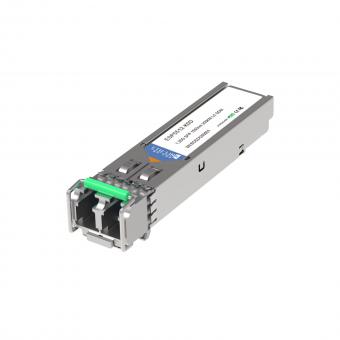
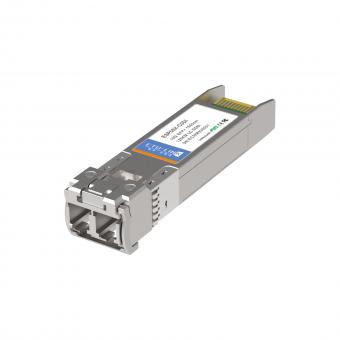
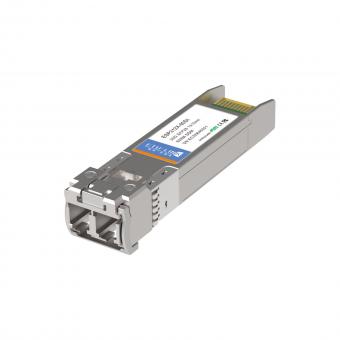
The SFP series is the most widely used package type. SFP are approximately 13.4mm × 56.5mm in size and use a single-channel design to support speeds from 1Gbps to 4Gbps. SFP+ increases the speed to 10Gbps without changing the form factor; SFP28 further evolves to 25Gbps. All three have the same physical dimensions and backward compatibility: SFP+ ports can be inserted into SFP modules and operate at 1Gbps, but SFP+ modules inserted into SFP ports will not work due to speed mismatch.
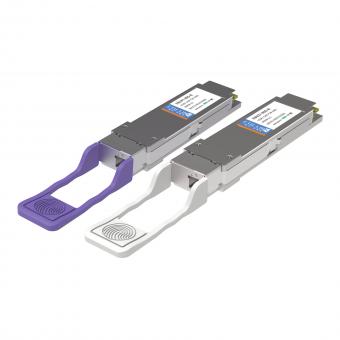
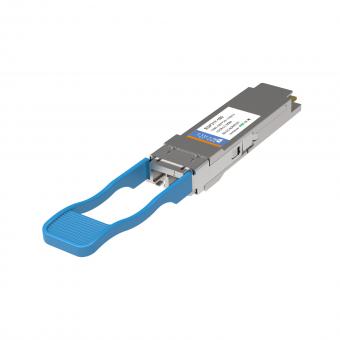
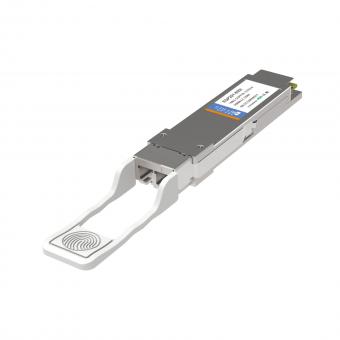
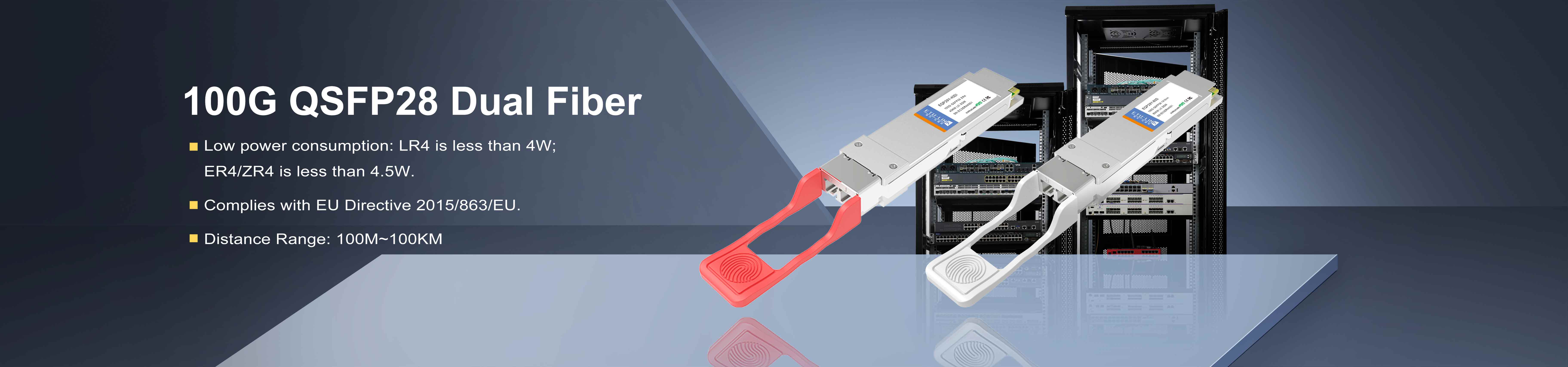
The QSFP series is currently the mainstream package for 100G/400G in data centers. QSFP+ uses a four-channel design, with each channel offering 10.3125Gbps, for a total bandwidth of 40Gbps. QSFP28 has the same package size, but each channel is upgraded to 25.78125Gbps, with four channels aggregated to achieve 100G bandwidth. The QSFP package size is approximately 18.35mm × 56.5mm, slightly wider than SFP, but a 1U switch can still support 32 100G ports.
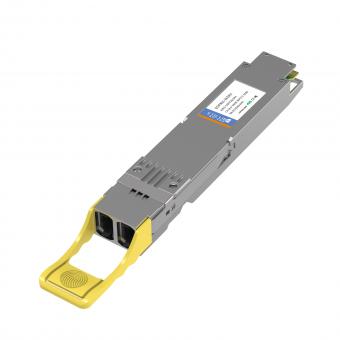
For higher speeds, QSFP-DD and OSFP are emerging. QSFP-DD adds dual rows of pins to the QSFP form factor, supporting speeds from 200G to 800G; OSFP employs an eight-channel open thermal architecture, designed specifically for 400G and above applications.

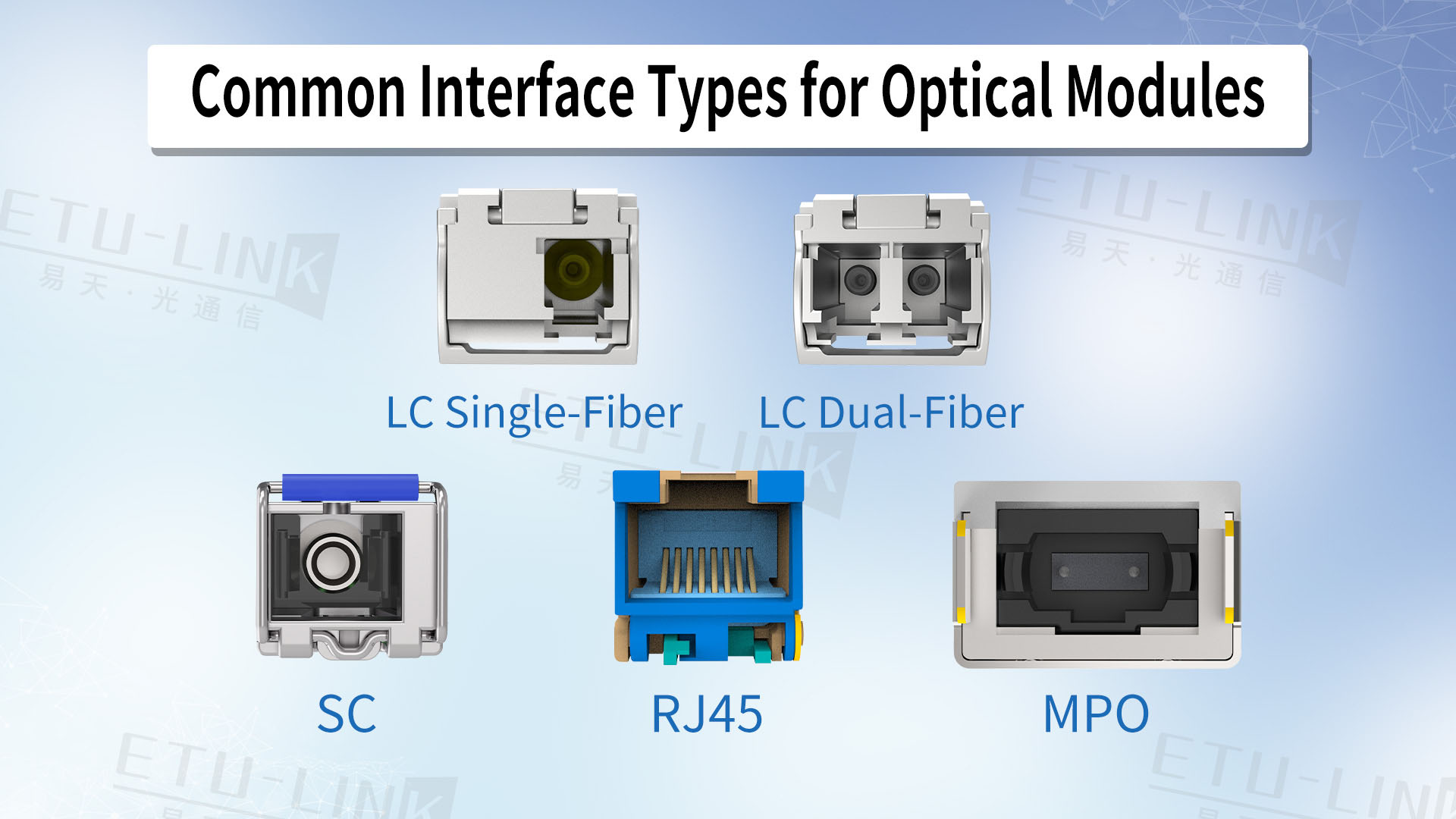
Fiber optic connectors are the physical interface between optical modules and fiber optic patch cords. Common types include LC, SC, and MPO.
LC is currently the most mainstream fiber optic connector, with a ferrule diameter of 1.25mm. Its compact size makes it a standard configuration for high-density racks and SFP/QSFP modules. LC connectors occupy only half the space of SC connectors , allowing for double the port density within the same rack.
MPO/MTP is a multi-fiber connector that integrates 12 to 24 optical fibers into a single rectangular ferrule, commonly used in 40G/100G/400G parallel optical interconnect systems. MPO/MTP can accommodate 6 to 144 optical fibers internally, making it one of the highest capacity fiber optic connectors available.
SC connectors have a ferrule diameter of 2.5mm, a push-pull design, and are easy to operate. They were once widely used in traditional networks and telecommunications backbones, but are now gradually being replaced by LC connectors.
The core of interface matching lies in three key elements: "Package Compatibility, Rate Alignment, and Fiber Optic Adaptation." The encapsulation must physically match the device port; the rate must strictly match the switch port to avoid speed reduction or negotiation failure; and the fiber type also determines the transmission distance—multimode fiber is paired with 850nm wavelength short-distance modules (within 300 meters), while single-mode fiber is paired with 1310nm/1550nm long-distance modules (up to 80 kilometers). Authoritative data shows that over 92% of link anomalies stem from wavelength deviation or rate mismatch.
From packaging and connection to rate, each interface layer determines the applicable scenarios and performance limits of an optical module. ETU-Link Technology Co., Ltd., as a leading provider of optical module solutions, offers a product line covering the full range of packaging and interface standards, providing professional assurance for reliable interconnection in data centers and communication networks. Understanding these interface differences is crucial for making accurate decisions in equipment selection and network construction.
Categories
New Blog
Tags
For inquiries about our products or pricelist, please leave your information with us and we will be in touch with in 24 hours.


 Factory: Right Side Of 3rd Floor, No. 102 Building, Longguan Expressway, Dalang Street, Longhua District, Shenzhen
Office: Floor 4, Building 4, Nanshan Yungu Phase ll, Taoyuan Community, XiliStreet,Nanshan District, Shenzhen
© Copyright: 2026 ETU-Link Technology CO ., LTD All Rights Reserved.

IPv6 network supported
Friendly Links:
易天官网