English



The Clash Between Optical Modules and the Computing Power of CPU and GPU
Ⅰ.Computing Power Constraints: The Bottleneck Lies in Transmission, and the Key Lies in Optical Modules
Against the backdrop of the rapid expansion of the AI industry, the market has long focused on computing chips such as CPU and GPU, but has neglected optical communication hardware that carries massive data flows.
In an interview, NVIDIA CEO Jensen Huang pointed out a key pain point in the industry:" Today, what limits AI computing power is not the CPU, not the transistor, but the copper wire."
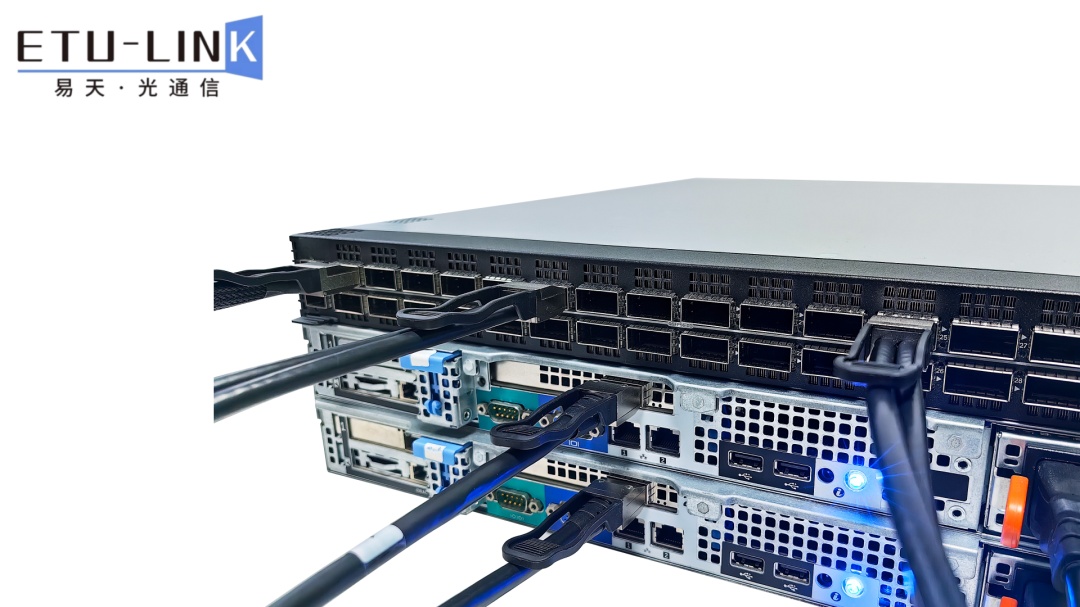
As large-scale model parameters continue to expand and ultra-large-scale computing clusters are deployed, the physical limitations of traditional electrical interconnects are being exposed, and the bottleneck in computing power is shifting from the computation end to the transmission end. Optical modules, as the core carrier of photoelectric conversion, have become a key variable restricting the expansion of AI clusters.
Ⅱ.Physical Transmission Constraints Come to Light, Driving Technological Iteration in the Optical Module Industry
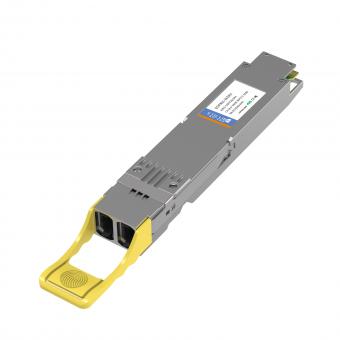
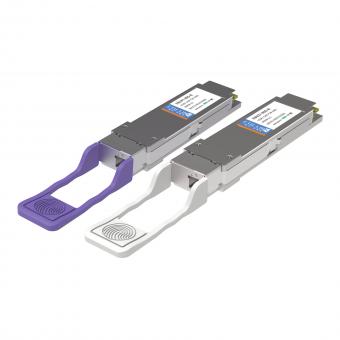
(I) Medium Replacement: Physical bottlenecks in electrical interconnects become prominent, making optical transmission the optimal solution. Copper wire transmission suffers from high loss, high power consumption, and limited bandwidth, making it difficult to adapt the speed to the interconnection of AI cluster computing power; electrical interconnects are also prone to signal crosstalk and latency, restricting the release of CPU and GPU computing power. Optical modules, with their low latency and high bandwidth characteristics, break through the constraints of electronic transmission, optimize the interconnection efficiency between chips, and improve the problem of computing power idleness.
(II) Expanding Demand: AI Cluster Iteration Drives Increased Demand for High-Speed Optical Modules. The deep integration of computing hardware and optical modules, the continuous expansion of AI server CPU and GPU integration, and the explosive growth of data traffic between chips and servers are driving the accelerated penetration of high-speed optical modules. Currently, 800G has achieved large-scale commercial use, and 1.6T is being rapidly deployed. High-speed optical modules have established their core hardware position in computing power, providing support for the stable operation of computing clusters.
(III) Technological Upgrade: The industry is evolving from pluggable to optoelectronic integration. Traditional pluggable optical modules (DSP + long PCB traces) have high electrical link losses, making it difficult to meet the transmission requirements of low power consumption and high-speed transmission of CPUs. LPO based on Marvell DSP chips serves as a short-term solution, optimizing link power consumption and adapting to computing power scheduling. In the long term, CPO co-packaging technology will embed optical engine chips, shortening chip transmission distances, reducing signal loss, and adapting to future high-density, ultra-large computing power clusters.
Ⅲ.Synergy Between High- and Low-Capacity Production: Reshaping the Global Optoelectronics Supply Chain
In the optoelectronic supply chain, leading manufacturers undertake high-end orders of 1.6T/CPO, while specialized and innovative enterprises such as ETU-LINK have built a solid foundation for the domestic supply chain, focusing on the R&D and mass production of general-purpose and medium-to-high-speed optoelectronic products. With mature production capacity and high cost-performance advantages, they fill the gap in basic market capacity, and together form a global capacity pattern of high-low combination and tiered supply, which effectively ensures the stable and independent development of the domestic optoelectronic industry chain.
Ⅳ.The Age of Photonics Has Arrived; Optical Modules Define the Upper Limit of Computing Power
This round of computing power industry revolution is essentially a transmission architecture innovation led by optical modules. At present, the performance of CPUs and computing chips is gradually approaching the physical threshold, and the transmission bottleneck has become the core factor restricting the large-scale expansion of computing power clusters.
The long-term development logic of the industry is clear: bandwidth takes precedence over computing power, and interconnect architecture defines the upper limit of clusters. The release of computing power by CPUs and various chips is highly dependent on the optical interconnect system. Optical modules will continue to serve as the core infrastructure of the AI industry, promoting the long-term and stable development of the photonic computing power industry.
In the future, ETU-Link Technology Co., Ltd. will continue to increase its investment in high-speed optical device technology innovation, empowering partners with stable production capacity, rapid response services, and highly adaptable customized solutions. We sincerely invite domestic and international customers to visit our factory for on-site inspections and in-depth discussions to build a long-term, stable, and mutually beneficial industrial cooperation ecosystem, jointly seizing new opportunities in AI computing power and broadband infrastructure development.
For inquiries about our products or pricelist, please leave your information with us and we will be in touch with in 24 hours.


 13th Floor, Building 6, Honghualing Base, Nanshan Intelligent Manufacturing Base, Liuxian Avenue, Taoyuan Street, Xili, Nanshan District, Shenzhen, China
© Copyright: 2026 ETU-Link Technology CO ., LTD All Rights Reserved.

IPv6 network supported
Friendly Links:
易天官网