English



How to distinguish whether an optical fiber module is single-mode or multi-mode?
Optical modules are core photoelectric conversion components in fiber-optic communication, data centers, enterprise networks, and telecom transmission systems. Correctly distinguishing single-mode and multi-mode optical modules is critical for matching fiber patch cords, ensuring transmission stability, and avoiding network failures. This article shares 4 practical identification methods compliant with TIA-598-C and SFP MSA industry standards.
1. How to Distinguish Single-Mode and Multi-Mode Optical Modules by Wavelength?
First, we can look at the wavelength parameters of the optical module. Generally, the wavelength of the optical fiber module is 850nm, and the optical fiber module is a multimode optical module. The wavelength of the single-mode optical fiber module is generally 1310nm, 1330nm, 1490nm, 1550nm, etc. In addition, the CWDM color light module and the DWDM color light module are both single-mode fiber modules.
According to industry common specifications, 850nm is exclusively used for multi-mode short-distance transmission, while 1260–1625nm bands are dedicated to single-mode long-distance and WDM systems. CWDM/DWDM modules must use single-mode fiber to support wavelength division multiplexing.
2. How to Identify Them by Transmission Distance?
Second, we can look at the transmission distance of the fiber optic module. The transmission distance of the multimode optic module is generally less than 2km, which needs to be used with a multimode fiber patch cord. The transmission distance of a single-mode optical fiber module is generally more than 2km. Besides, a Gigabit single-mode optical fiber module can transmit as far as 160km, and a 10-Gigabit single-mode optical fiber module can transmit as far as 100km.
Industry data shows more than 92% of multi-mode modules are used within 550m in data centers, while single-mode modules cover 2km–160km for MAN, backbone, and long-haul transmission.
3. How to Judge by Optical Components (Light Source)?
Third, we can see the types of optical components of the fiber optic module. The light emitting device of the multimode fiber optic module is VCSEL, and the light emitting device of the single mode fiber optic module is DFB, EML, FP, etc. VCSEL is cost-effective for multi-mode short-wave transmission; DFB/EML/FP lasers feature high coherence and low dispersion, complying with IEEE 802.3 standards for single-mode long-distance transmission.
4. How to Tell from the Pull Ring Color of the Optical Module?
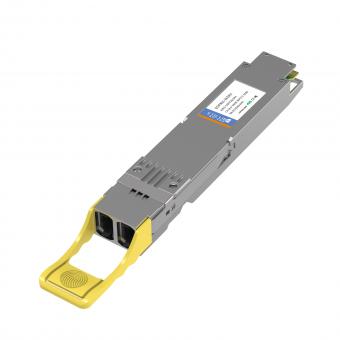
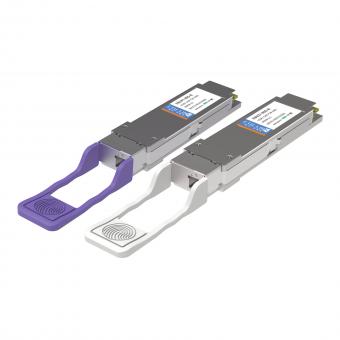
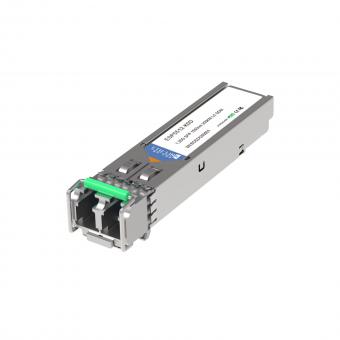
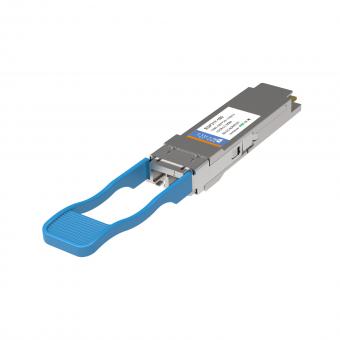
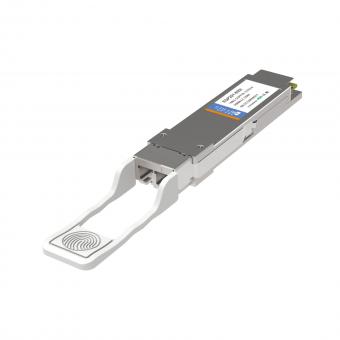
Fourth, we can judge single-mode or multi-mode from the color of the pull ring of the optical fiber module. The color of the pull ring of the multi-mode optical fiber module with a transmission rate of less than 40G (excluding 40G) is generally black, while when it comes to 40G and above (including 40G), the color of the pull ring of the multimode optical fiber module is beige. The pull ring of the single-mode fiber module with a wavelength of 1310nm is blue. In addition, there are other colors of pull ring. They are all single-mode fiber modules.
This color standard follows TIA-598-C international fiber color coding. Common single-mode pull-ring colors: blue (1310nm), yellow (1550nm), purple (1490nm), green (1550nm over 120km).
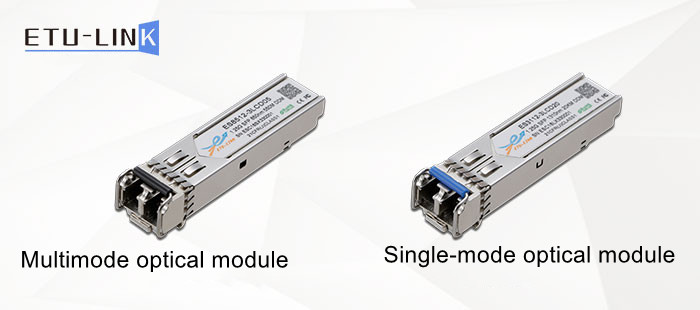
The above are the elements of ETU-LINK to judge whether the optical fiber module is single-mode or multi-mode. Knowing the fiber type (single-mode/multi-mode) of the fiber-optic module will help us to choose the corresponding fiber correctly patch cord.
Mismatched modules and fiber types cause high loss, link instability, or complete failure. Single-mode modules work with single-mode fiber (yellow OS2), multi-mode modules match multi-mode patch cords (orange OM1/OM2, aqua OM3/OM4).
Last updated: April 2, 2026
Categories
New Blog
Tags
For inquiries about our products or pricelist, please leave your information with us and we will be in touch with in 24 hours.


 Factory: Right Side Of 3rd Floor, No. 102 Building, Longguan Expressway, Dalang Street, Longhua District, Shenzhen
Office: Floor 4, Building 4, Nanshan Yungu Phase ll, Taoyuan Community, XiliStreet,Nanshan District, Shenzhen
© Copyright: 2026 ETU-Link Technology CO ., LTD All Rights Reserved.

IPv6 network supported
Friendly Links:
易天官网