English



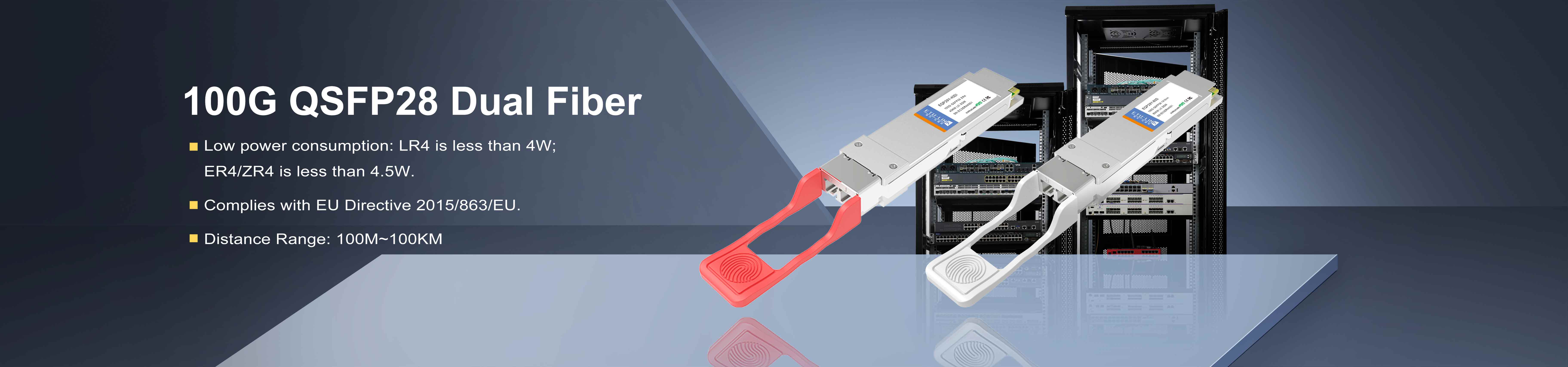
In-Depth Analysis: What Are the Relationships and Differences Between Optical Engines, Optical Modules, and Optical Devices?
As AI large-scale models accelerate their iteration, computing power clusters are moving from "thousands of cards" to "tens of thousands of cards" and "hundreds of thousands of cards." As the "blood vessels" connecting computing power, the internal hierarchical relationships of optical communication are becoming increasingly crucial. However, optical devices, optical modules, and optical engines are not the same concept, but rather a progressive "iron triangle" in the industry chain.
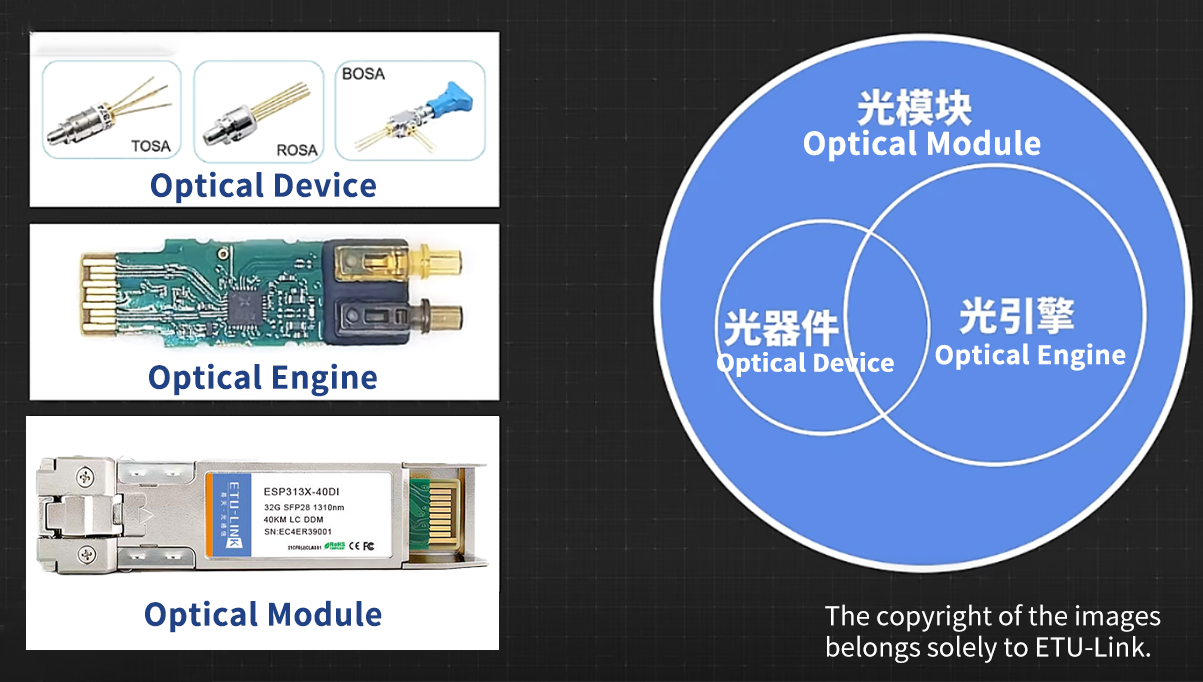
I. Optical Components: The “Minimum Unit” for Functional Implementation
The most basic functional units that make up an optical communication system, and they are divided into two categories: active and passive components.
Active components account for a huge share of the optical components market and are responsible for the conversion and amplification of photoelectric signals, including lasers and detectors.
Passive components, although they do not participate in photoelectric conversion, are responsible for the transmission and distribution of optical signals, such as fiber optic connectors and wavelength division multiplexers.
II. Optical Modules: “Standard Off-the-Shelf” Plug-and-Play Products
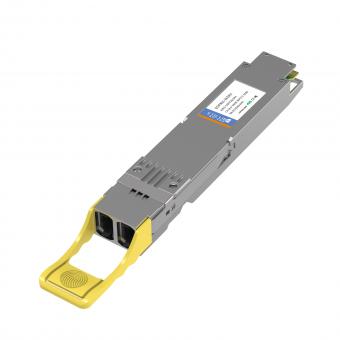
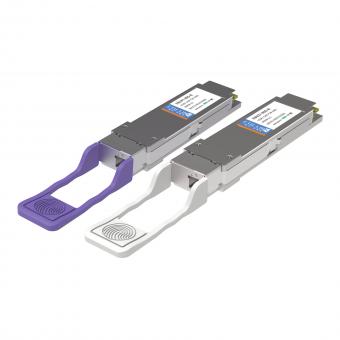
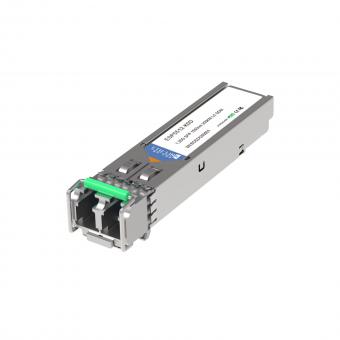
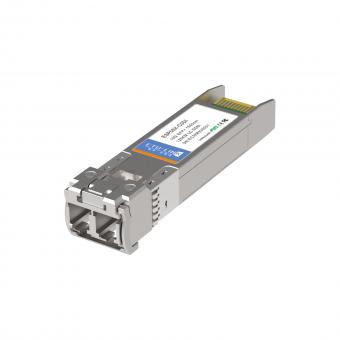
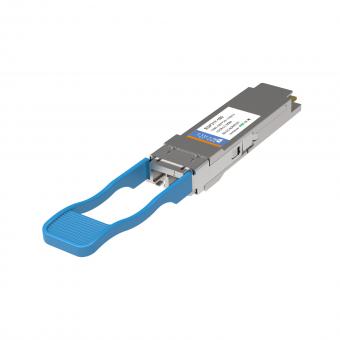
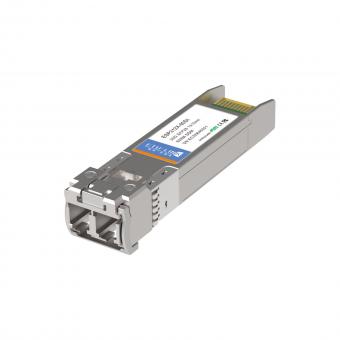
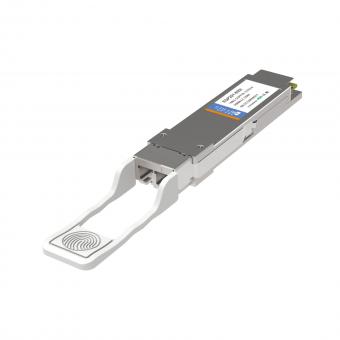
Optical modules are standardized terminal products that encapsulate various optical devices, electrical chips, and precision structural components. Within an optical module, the optical chip is the core component with the highest cost, accounting for up to 50% in high-end 1.6T modules. Currently, 800G OSFP/QSFP-DD optical modules have become the main choice for newly built AI clusters by 2025. It's worth noting that, as a professional optical communication solution provider, ETU-LINK Optical Communication is committed to providing highly reliable optical module products for data centers and telecommunications networks, facilitating efficient interconnection of computing infrastructure.
III. Optical Engines: “Semi-Finished” Components for Optical Modules
An optical engine is an integrated module that lies between an optical device and a complete optical module. It contains a core optical chip, an electrical chip, and optical coupling components, but lacks standardized packaging such as a casing, electrical interface, and heat dissipation.
IV. Summary of Relationships: The Underlying Logic from Components to Computing Interconnectivity
For inquiries about our products or pricelist, please leave your information with us and we will be in touch with in 24 hours.


 13th Floor, Building 6, Honghualing Base, Nanshan Intelligent Manufacturing Base, Liuxian Avenue, Taoyuan Street, Xili, Nanshan District, Shenzhen, China
© Copyright: 2026 ETU-Link Technology CO ., LTD All Rights Reserved.

IPv6 network supported
Friendly Links:
易天官网