English




What is a Tunable DWDM Optical Module? What is its function?
In the field of optical communications, tunable DWDM optical modules are gradually becoming a key component for interconnecting backbone networks and data centers. What makes them so special?
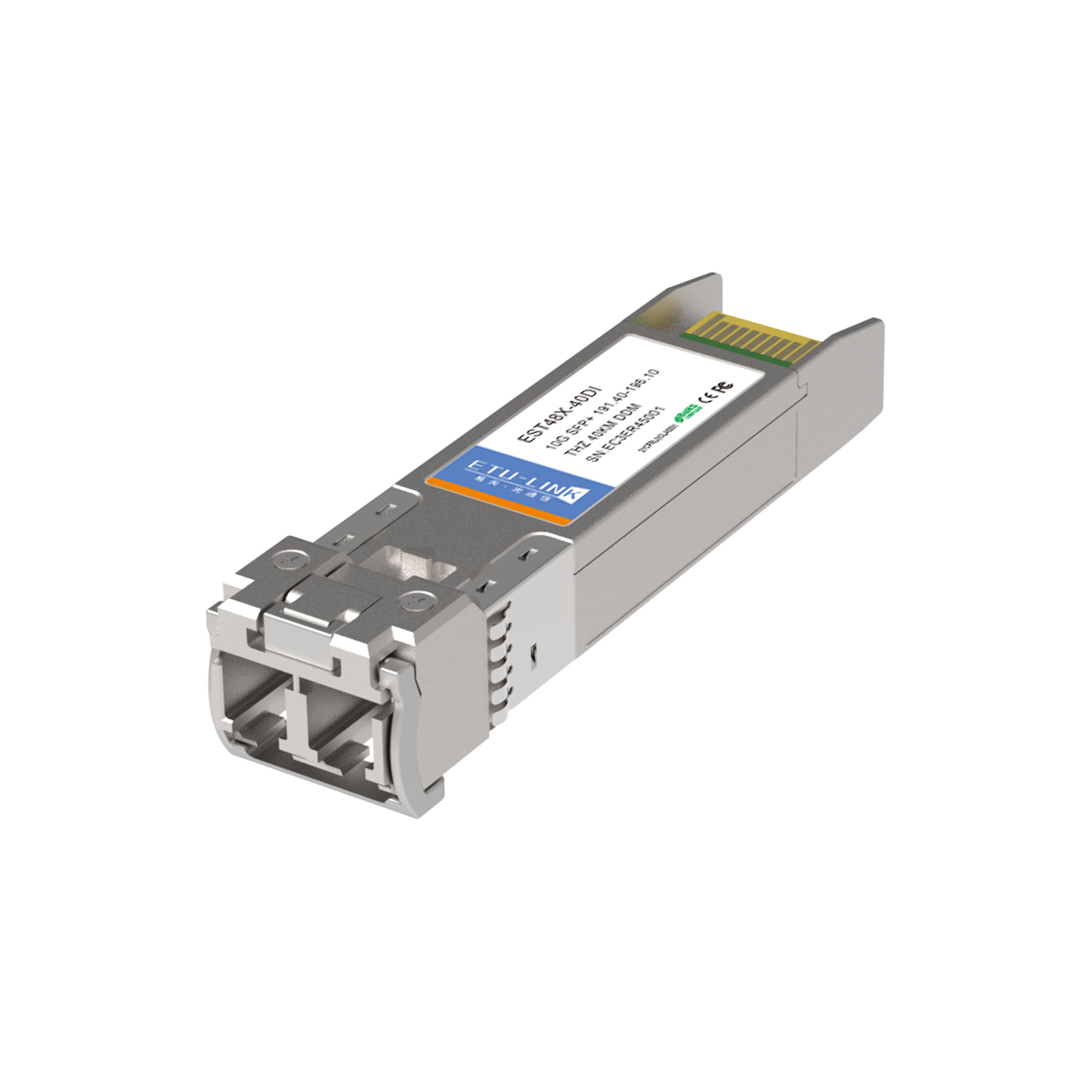
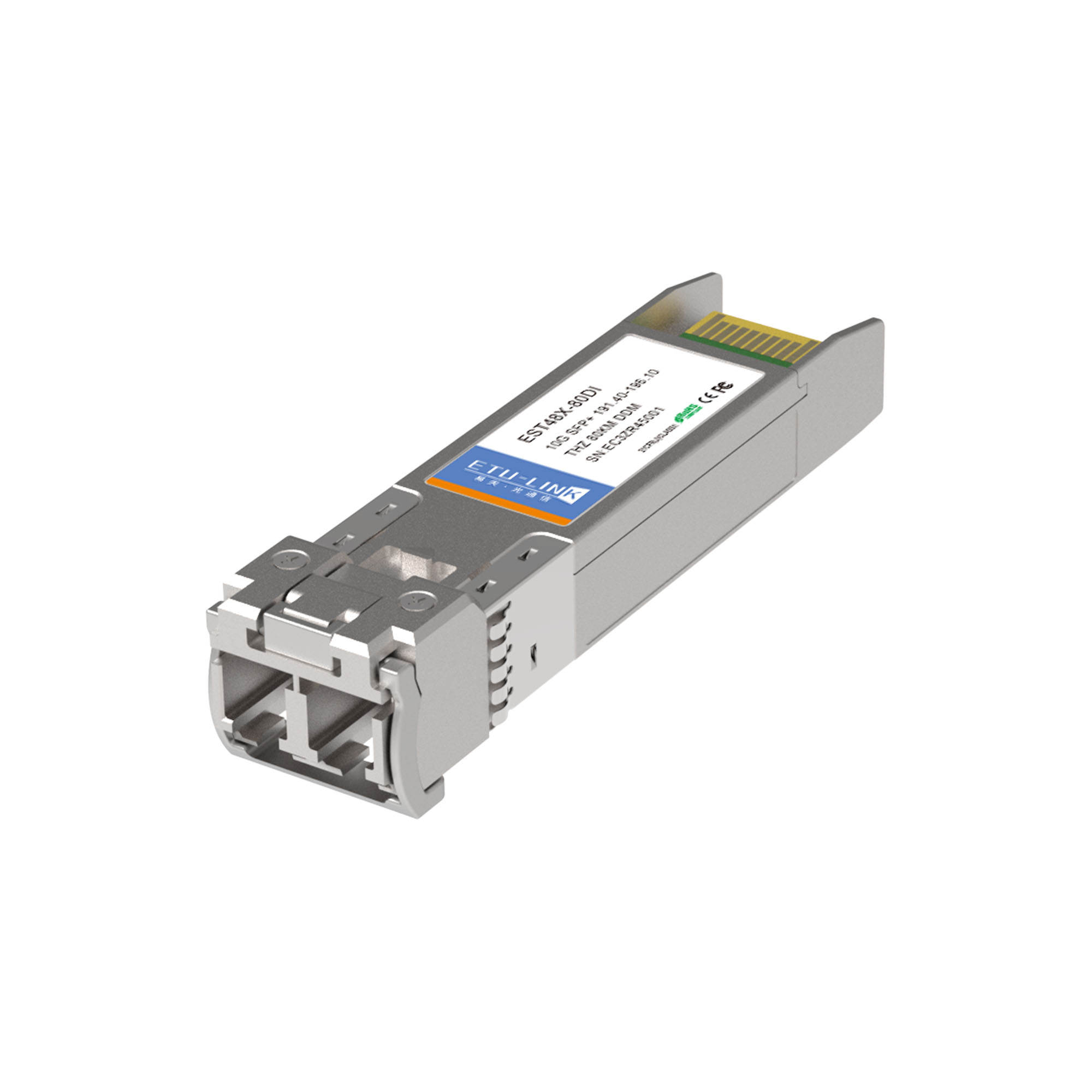
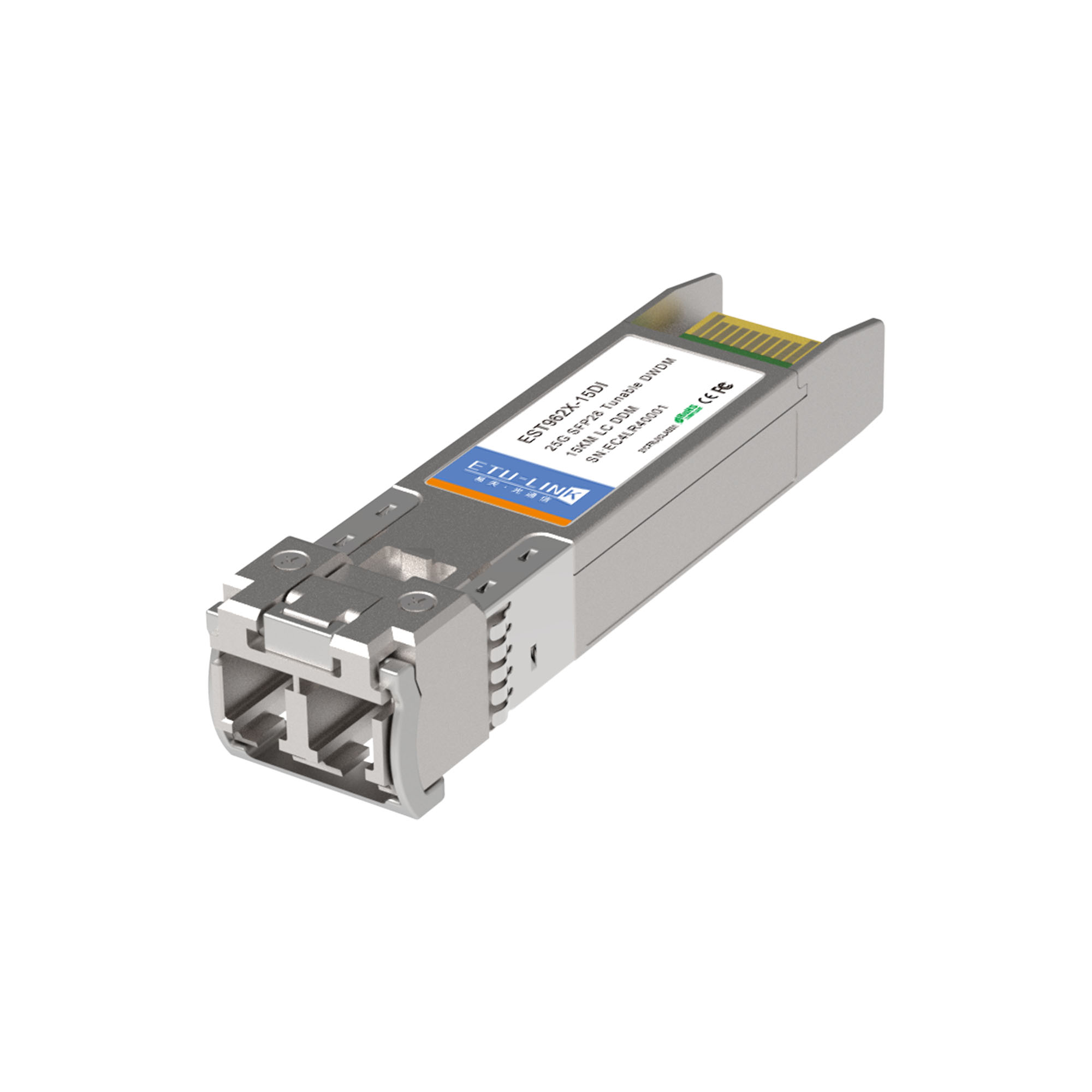
Traditional DWDM optical modules employ a "fixed wavelength" design, meaning each module can only transmit one specific ITU-T standard wavelength. This implies that a dense wavelength division multiplexing (DWDM) system with 80 wavelengths requires 80 different types of spare parts. Tunable DWDM optical modules , however, break this limitation—they can dynamically switch to any standard wavelength within the C-band or L-band range via software commands.
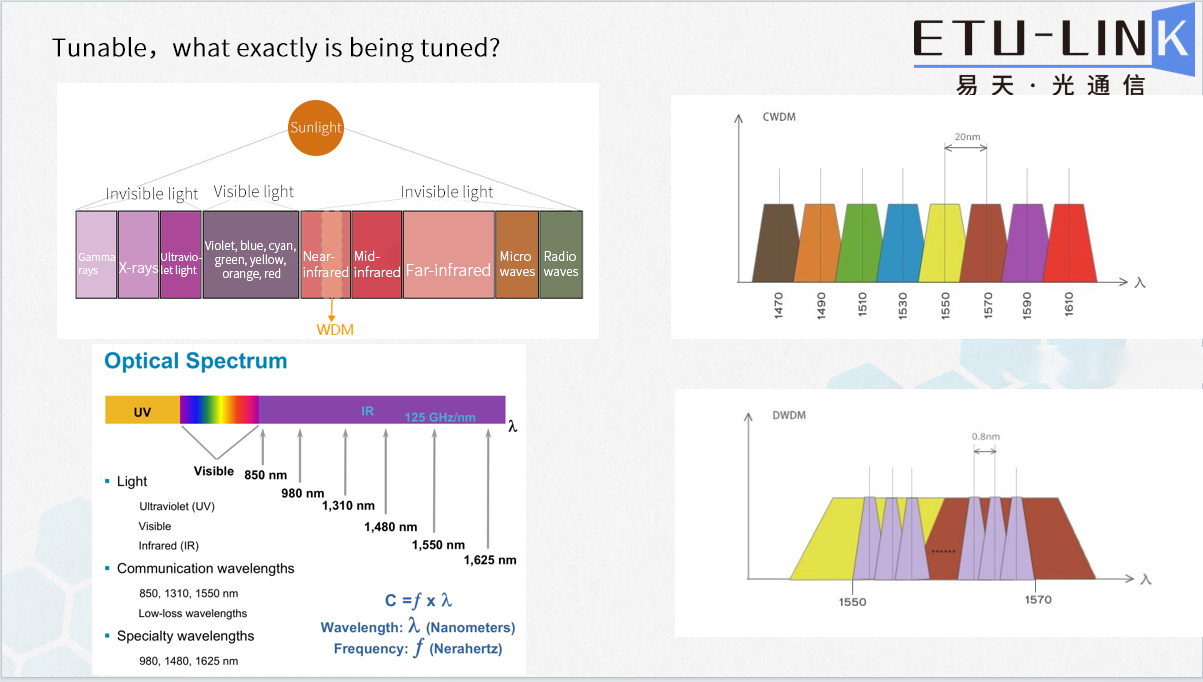
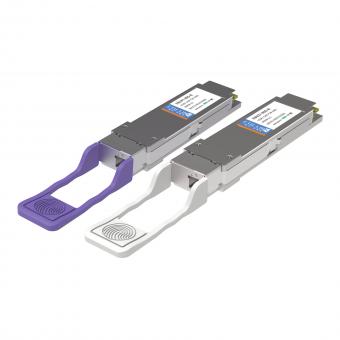
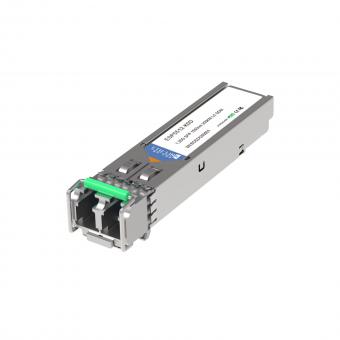
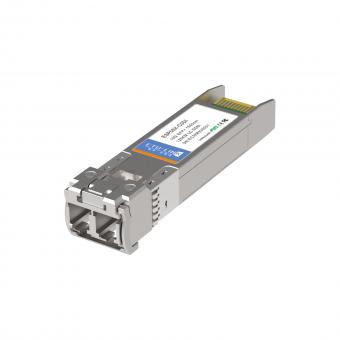
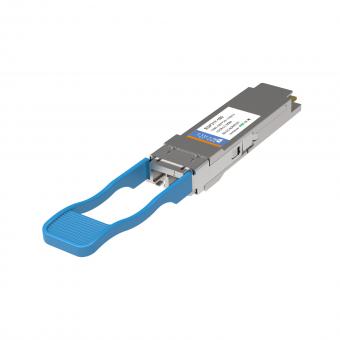
From a technical standards perspective, mainstream tunable DWDM modules follow ITU-T G.698.4 or OIF protocols, typically covering 96 channels in the C-band (1529.55nm-1567.13nm). Package types include SFP+, QSFP28, and QSFP-DD, with speeds ranging from 10G to 400G. Speeds of 100G and above are often used in conjunction with coherent optical technologies.
The core function of tunable DWDM optical module are reflected in three aspects:
For operators, maintaining a fixed-wavelength spare parts inventory for an 80-wavelength system means managing dozens of SKUs. With tunable modules, only 1-2 models are needed to cover all wavelength requirements, effectively reducing inventory capital tied up.
In the ROADM architecture, the tunable module is the hardware foundation for scheduling the "colorless" optical layer. Maintenance personnel can remotely adjust wavelengths through the network management system without needing to visit the site to replace modules, reducing service activation time from hours to minutes.
According to statistics, in large-scale data center interconnection scenarios, the use of tunable DWDM modules can reduce the types of spare parts by more than 95%.

(Note: The 95%+ spare parts reduction data comes from the technical white papers and deployment cases of mainstream manufacturers in the optical communication industry (such as ETU-Link Technology Co., Ltd.), and has been adopted and verified by many operators and cloud service providers. )
With the widespread adoption of 400G ZR/ZR+ tunable coherent modules, this technology is extending from backbone networks to the metropolitan area edge, becoming an important cornerstone for building agile optical networks.
Why Choose ETU-Link Optical Transceiver?
As a professional manufacturer with more than 12 years of deep presence in the optical communication industry, ETU-LINK specializes in full-series 10G/25G/100G/400G/800G optical modules and supporting optical communication devices. All our products have Compliant with FCC, CE and RoHS certifications, and are fully compatible with mainstream brand network equipment in the market.
We also support flexible OEM/ODM customization services to match diverse project requirements, with a leading 3-year warranty policy and fast order delivery.
Related Products
For inquiries about our products or pricelist, please leave your information with us and we will be in touch with in 24 hours.


 13th Floor, Building 6, Honghualing Base, Nanshan Intelligent Manufacturing Base, Liuxian Avenue, Taoyuan Street, Xili, Nanshan District, Shenzhen, China
© Copyright: 2026 ETU-Link Technology CO ., LTD All Rights Reserved.

IPv6 network supported
Friendly Links:
易天官网