English



Which 400G Optical Module Should Choose? Understand Core Differences In 1 Minute!
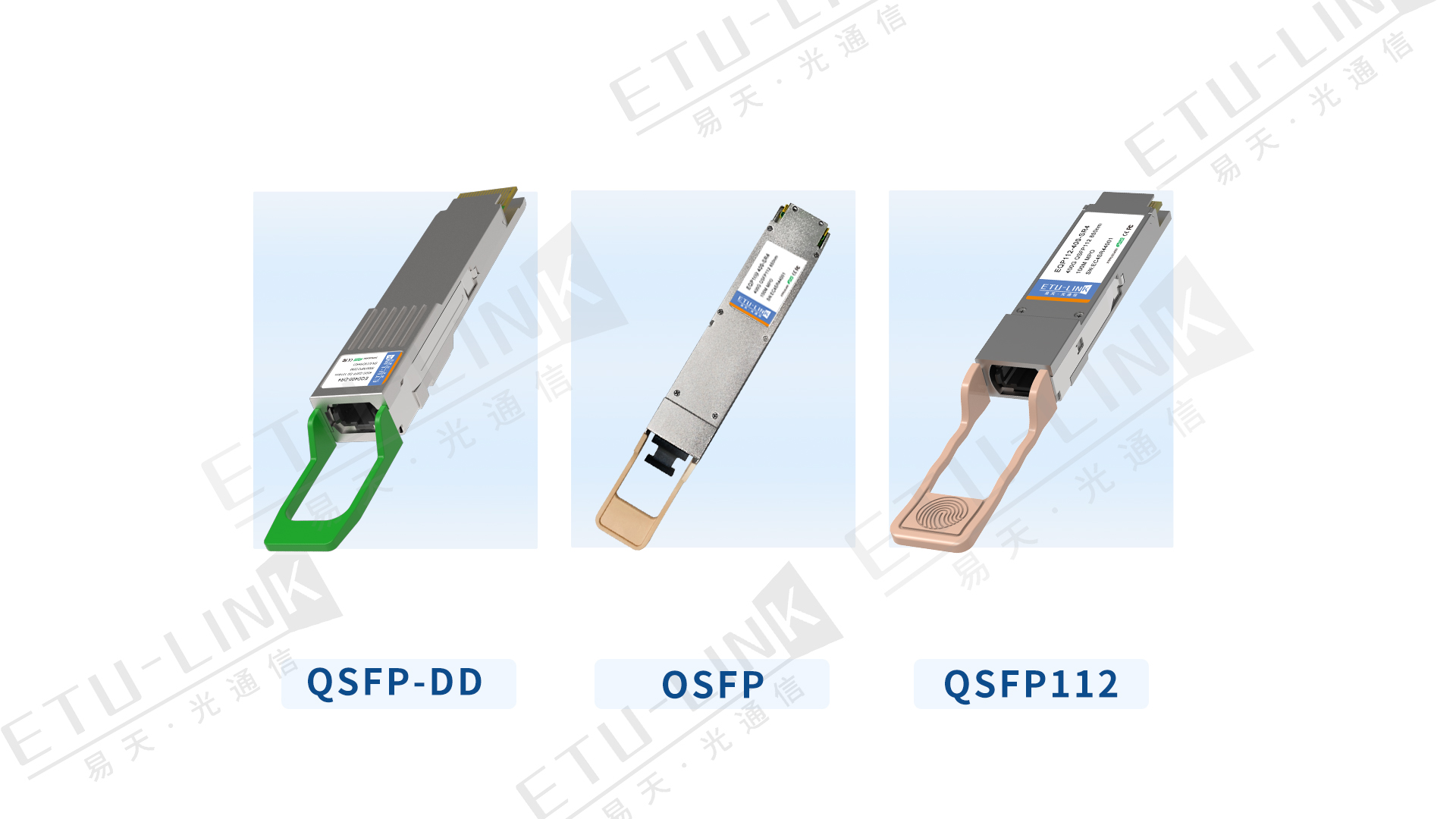
When customers inquire about "400G optical module requirements," are you also confused about the differences between QSFP-DD, OSFP, and QSFP112?
Below is a simplified comparison table and key conclusions to help you quickly match customer needs:
Comprehensive Comparison of 400G Optical Module Packaging
Comparison Dimensions
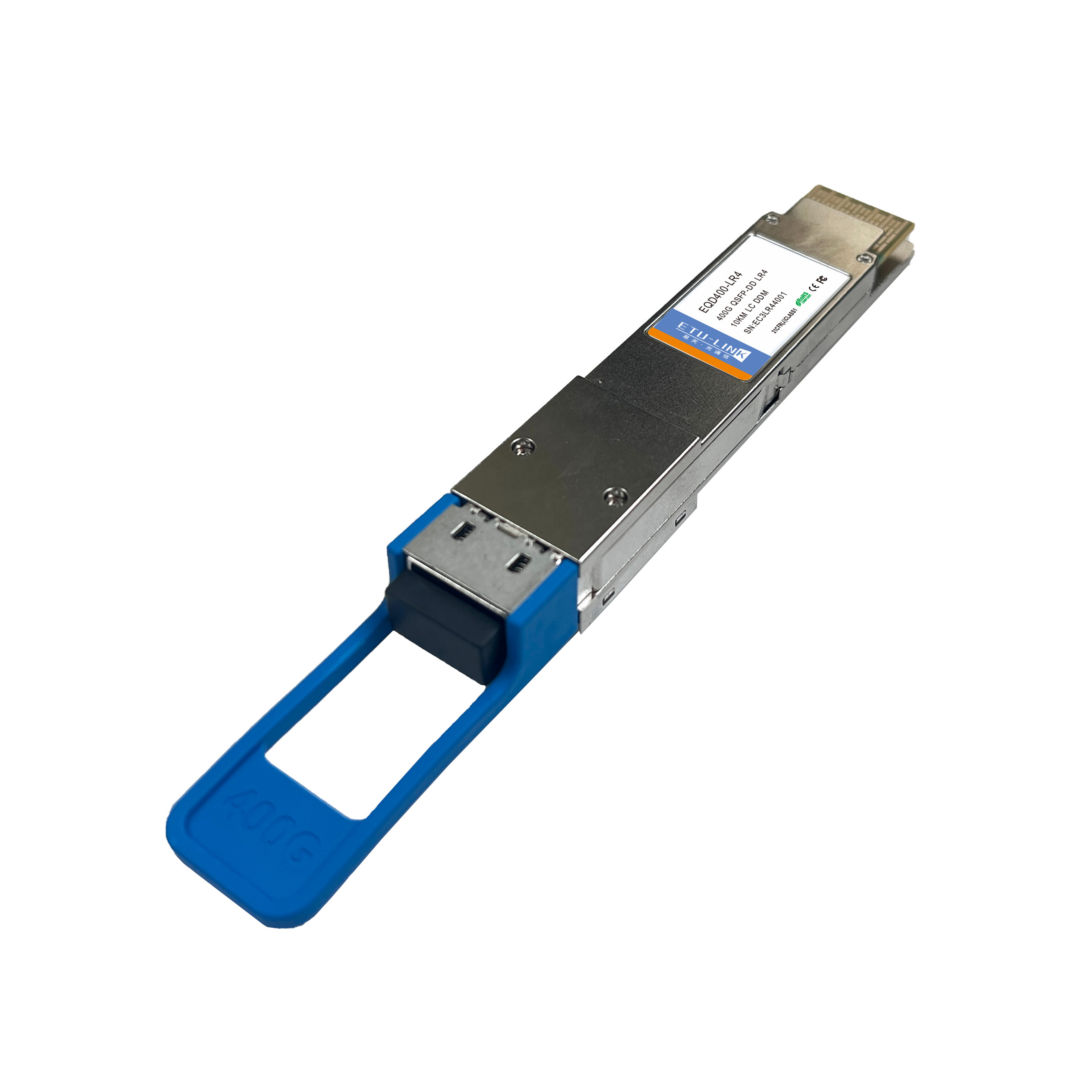
QSFP-DD
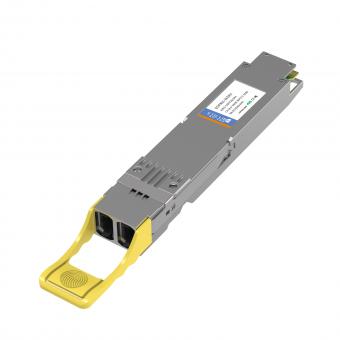
OSFP
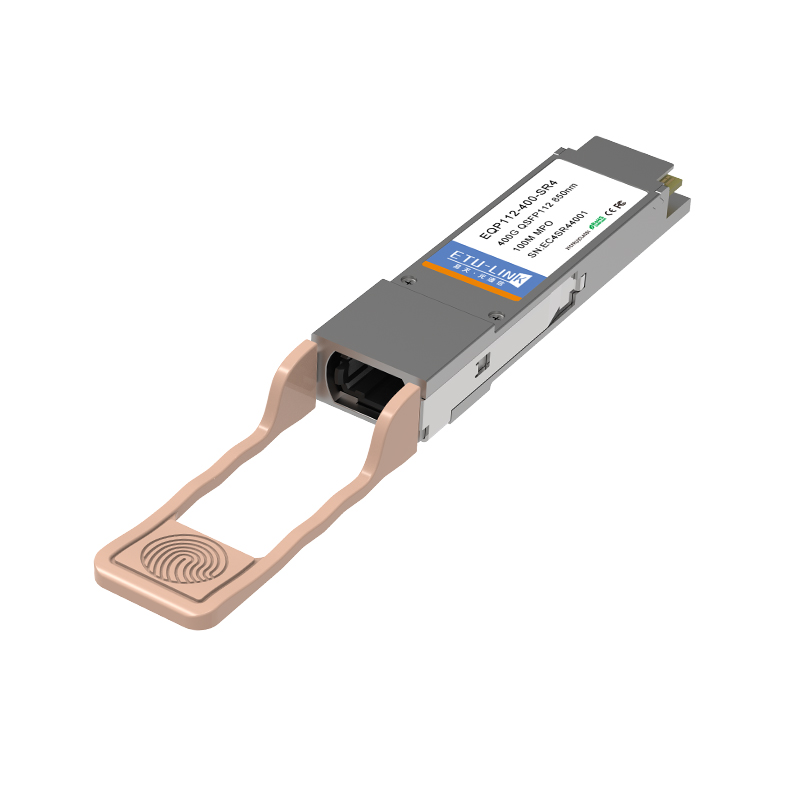
QSFP112
Number of Channels
8 Channels
(dual-density design)
8 Channels
4 Channels
(double the speed of a single channel)
Single Channel Rate
25G NRZ / 50G PAM4
(400G aggregated)
50G PAM4
(some solutions support 100G PAM4 )
112G PAM4
(nominal speed 106.25Gbps )
Size
Width increased by 18.35 mm, depth increased by approximately 5.9 mm.
Width 22.58mm , Depth 100.4mm
(Largest Volume)
Same as QSFP28
(width 18.35 mm , depth 72.4 mm )
Heat Dissipation Capacity
Dependent on device fan, heat capacity 12W
Integrated metal heat sink top cover, supports high power consumption modules >15W
Low power consumption( <10W ),
relies on external heat dissipation
Compatibility
Compatible with QSFP+/QSFP28 slots(adapter required)
Requires a dedicated OSFP slot and is not compatible with the QSFP ecosystem.
Only supports 400G/800G devices, no backward compatibility.
Typical Power Consumption
8-12W
12-15W
(High-power modules can reach 20W+ )
<10W
(significant advantage in low power consumption)
Core Application Cenarios
Data center internal interconnect (Spine/Leaf), 5G bearer network
AI cluster interconnection, high-performance computing, and telecommunications core networks
Edge computing, direct server connection, DPU/ NIC
Technological Evolution Direction
Compatibility is a priority, supporting a smooth transition from 400G to 800G.
Targeting 800G/1.6T, enhanced heat dissipation and power supply.
Focusing on 400G short-range transmission, optimizing space and power consumption.
Cost Advantage
Mature ecosystem, low upgrade costs
The module is costly (due to its complex heat dissipation design).
The compact design reduces material costs, but requires new equipment support.
Core Conclusions of Customer Selection
1.Need compatibility with existing QSFP+ networks? → Select QSFP-DD
It has strong compatibility, supports a smooth transition from 400G to 800G, and is suitable for data center interconnection and 5G bearer networks.
2.Looking for optical modules with high thermal dissipation and high power consumption (e.g., coherent optical modules)? → Choose OSFP
It has the strongest heat dissipation capacity and is suitable for scenarios such as AI clusters and high-performance computing where all ports are running at full load.
3.Limited space or need for low power consumption and low latency? → Choose QSFP112
With its compact design and minimal latency, it is ideal for short-range transmissions such as edge computing, direct server connections, and DPUs/NICs.
Welcome to discuss this further!
Why Choose ETU-Link Optical Transceiver?
ETU-LINK Technology Co., Ltd. is a optical transceiver manufacturer specializing in the development, production, and promotion of high-performance fiber optic transceivers and high-speed cabling solutions.
1) Low to Mid-Speed: SFP, SFP+, SFP28, QSFP, QSFP+ series covering 1G to 40G
2) High-Speed: 100G QSFP28, 200G QSFP56, and 400G QSFP-DD/OSFP modules
3) Ultra-High-Speed: 800G OSFP DR8 and 800G OSFP 2×DR4, built on 8×100G PAM4 architecture
All ETU-LINK modules are rigorously tested for seamless interoperability with major switch and router brands. Products comply with international standards including IEEE 802.3, MSA (Multi-Source Agreement), CMIS 5.0+, and compliance CE, FCC, and RoHS.
Related Products
For inquiries about our products or pricelist, please leave your information with us and we will be in touch with in 24 hours.


 13th Floor, Building 6, Honghualing Base, Nanshan Intelligent Manufacturing Base, Liuxian Avenue, Taoyuan Street, Xili, Nanshan District, Shenzhen, China
© Copyright: 2026 ETU-Link Technology CO ., LTD All Rights Reserved.

IPv6 network supported
Friendly Links:
易天官网