English



Optical Transceivers Introduction
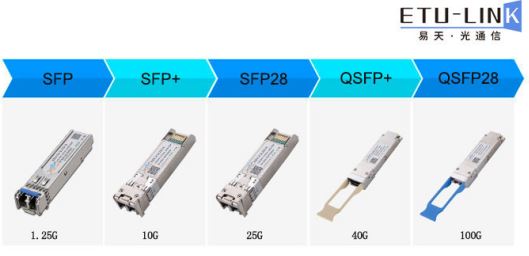
When selecting optical modules, we should not only consider the stability and reliability of optical module functions, but also consider the price and quality, as well as whether they meet the requirements of network equipment compatibility and data transmission. Here, ETU-LINK will introduce which optical module parameters should be explained to the manufacturer when selecting the optic...
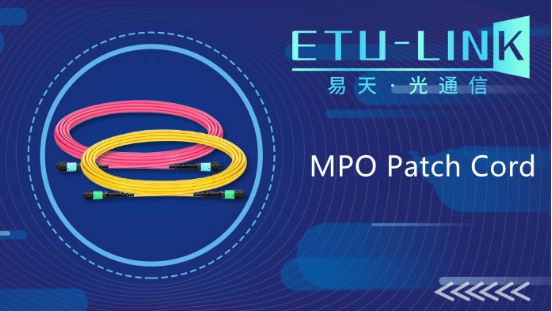
In this blog, ETU-LINK will introduce the difference between MPO and MTP connectors? First, let's learn about what MPO and MTP connectors are respectively. MPO is the abbreviation of Multi-fiber Push On. It is the first generation of multi-core optical fiber connector designed by NTT company in Japan. Its main industrial standard isIEC-61754-7, and the current national s...
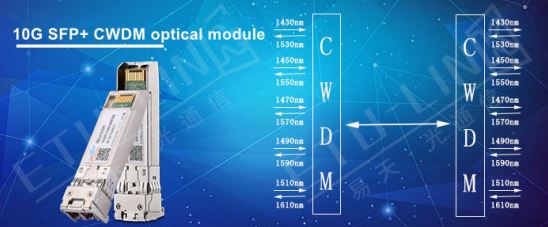
In this blog, ETU-LINK will introduce what is 10G SFP+ CWDM optical transceiver, and what are its advantages. 10G SFP+ CWDM optical transceiver is a kind of coarse wavelength division multiplexing optical transceiver, usually used with single mode optical fiber. This kind of optical transceiver uses the CWDM technology to save optical fiber resources, which significantly improves networking f...
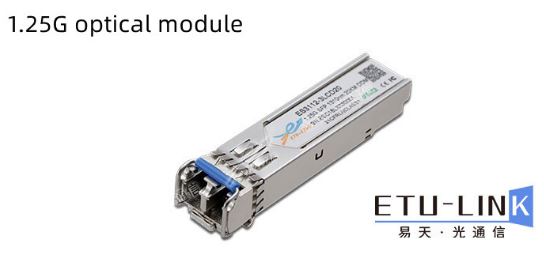
When selecting or configuring a network switch, you often encounter ports labeled G, F, E, and S. Understanding the differences between these port types is essential for proper network design, cable selection, and optical module compatibility. Below, we break down each port type in detail. 1. What Is an S Port on a Switch? S port is fully called serial interface, also known as high-speed asynchron...
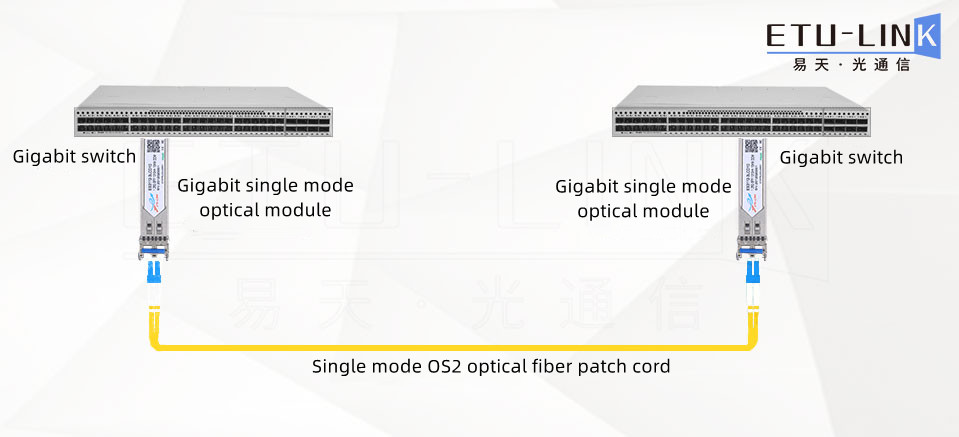
The intelligent building network is responsible for the data transmission tasks of various building automation systems, such as lighting, air conditioning, electrical, monitoring, computers, wireless devices, etc. In this blog, ETU-LINK will introduce the networking solution of intelligent building. As the intelligent buildings are relatively dense and the business volume is relatively large,...
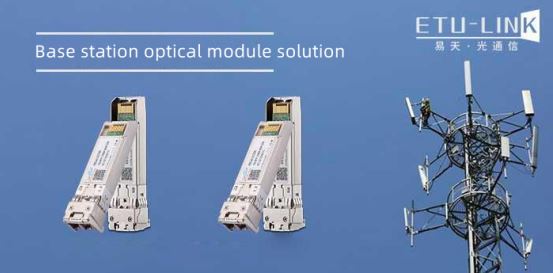
In this blog, ETU-LINK will talk about 4G base stations and common types of optical modules. The base station can be divided into two modules: the RRU for transmitting signals and the BBU for processing signals. The BBU is small and exquisite, with low power consumption, while the RRU is large and has high power consumption. Because the base station is divided into two parts to work sepa...
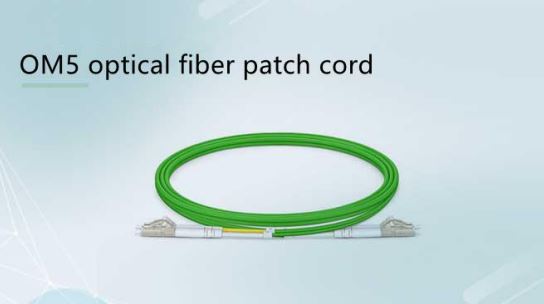
In this blog, ETU-Link will introduce OM5 optical fiber patch cord. In order to distinguish different optical fiber patch cord, different colors outer sheath are used.For non-military purposes, single mode optical fibers generally use yellow outer sheath. In the multimode optical fiber, OM1 and OM2 are orange, OM3 and OM4 are aqua blue, and OM5 is aqua green. After understanding the color appearan...
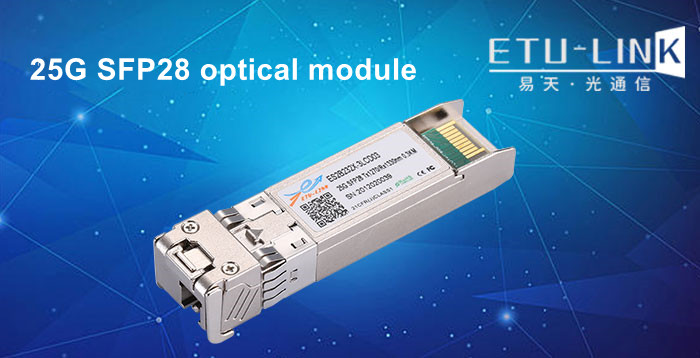
25G SFP28 is the mainstream 25G hot-pluggable optical transceiver defined by SFF-8636 MSA standard, widely deployed in 5G fronthaul, cloud data center ToR switches and 100G QSFP28 breakout interconnection. This article fully sorts all mainstream 25G SFP28 models, technical parameters, fiber matching rules and typical application scenarios for network procurement and engineering deployment. Ⅰ. Basi...
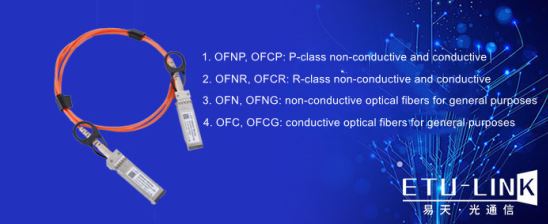
In data center and building cabling, safety is critical. Many users ask: What are OFNP, OFNR, LSZH? What do these flame‑retardant grades mean? Which one should I use for plenum, riser, or indoor areas? The flame retardant grades of optical cables can be divided into three types, OFN, OFNR and OFNP. This article explains definitions, standards, performance, and applications to help you choose...
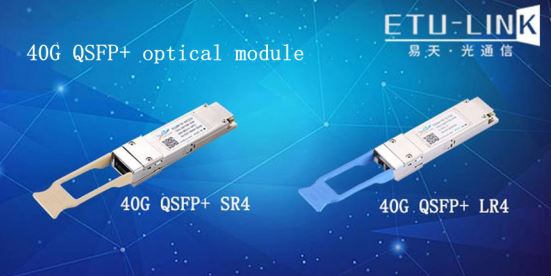
Cloud computing and big data are booming in my country. In order to provide enough bandwidth, many access switches have been developed to aggregation/core switches that can connect to 40G Ethernet. 40G networks have been widely used in data centers, and optical modules are one of the indispensable components for data center equipment interconnection, so ETU-LINK will give you an inventory of the t...
For inquiries about our products or pricelist, please leave your information with us and we will be in touch with in 24 hours.


 13th Floor, Building 6, Honghualing Base, Nanshan Intelligent Manufacturing Base, Liuxian Avenue, Taoyuan Street, Xili, Nanshan District, Shenzhen, China
© Copyright: 2026 ETU-Link Technology CO ., LTD All Rights Reserved.

IPv6 network supported
Friendly Links:
易天官网