English




Capital of Tokens: How Does Ulanqab Turn Computing Power into Tokens?
Unique Perspective: Two Types of "Light" on the Grassland
One hangs in the vast sky—the wind and solar power that generate a steady stream of green electricity;
The other travels through fiber cores—the optical signals in optical communications that orchestrate tokens (the building blocks of AI large models) across these grasslands.
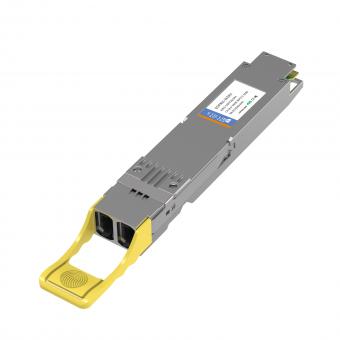
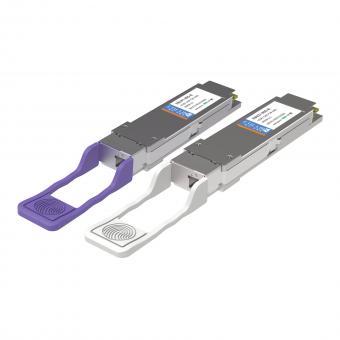
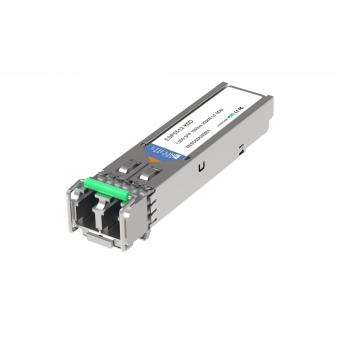
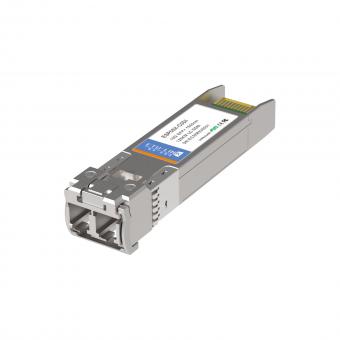
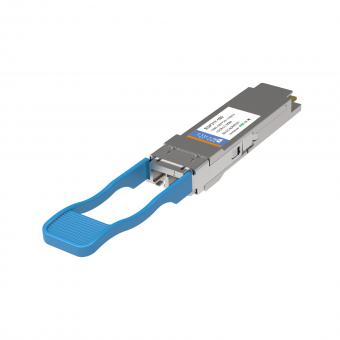
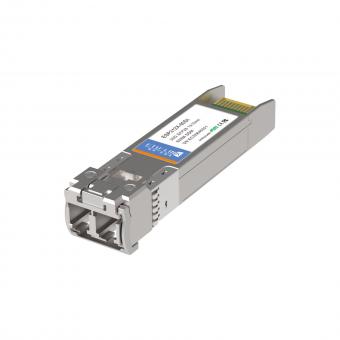
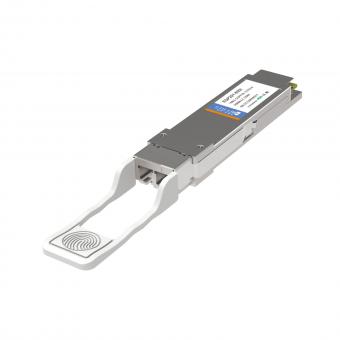
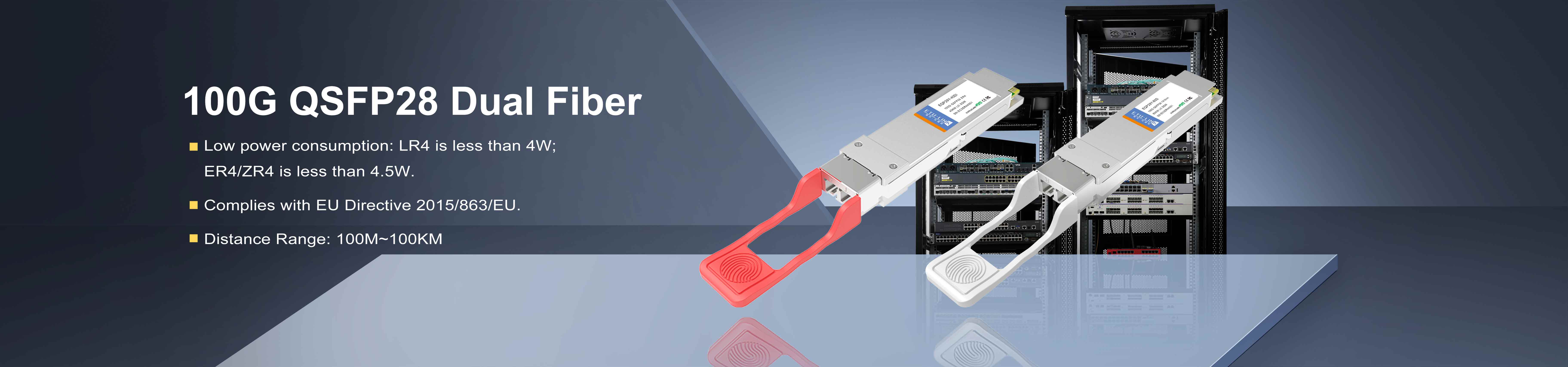
Optical modules serve as the critical interface for electro-optical conversion between GPU and optical fibers, acting as the essential nodes through which these tokens flow.
Ulanqab is a national integrated computing power network hub node and a core cluster of East-West data processing, and is also a terminology ranch currently being defined in the industry . The city's computing power cluster is centered around Chahar High-tech Zone, bringing together a large number of intelligent computing centers such as Alibaba, Century Internet, CICC Data, Huawei, ByteDance, and DeepSeek, with a computing power scale of 172,000 petabytes, accounting for over 95% of the total computing power. It has formed multiple large-scale model clusters with tens of thousands of kilowatts, undertaking large-scale model training, autonomous driving inference, and multimodal generation services in the Beijing-Tianjin-Hebei region.
The computing center here is not a simple stack of traditional computer rooms: relying on the cool climate of an average annual temperature of 4.3℃, it can be naturally air-cooled for nearly 10 months of the year, with the PUE stably controlled within 1.2, which greatly reduces heat dissipation costs; coupled with abundant wind and solar power resources, and supporting integrated source-grid-load-storage projects, energy storage is used to smooth wind and solar fluctuations, and intermittent green electricity is transformed into a stable energy base for computing power.
GPU define the computing area, while optical signals handle data flow scheduling; optical modules serve as the gateway for computing nodes to access the fiber optic network. Just as cattle and sheep move with the flow of water and pasture, words are computed via the internet.
Many cities treat fiber optic cables merely as transmission conduits and optical modules as ordinary components when developing computing power. However, Ulanqab's approach to building a "Token Capital" is different: relying on contiguous intelligent computing clusters, it has built an integrated optical foundation that combines high-speed interconnection, cluster switching, and intercity trunk lines within data centers, with the core structure divided into three layers.
I. Within the Cluster: High-speed optical modules form an interconnection network that serves as the channel for the flow of data elements.
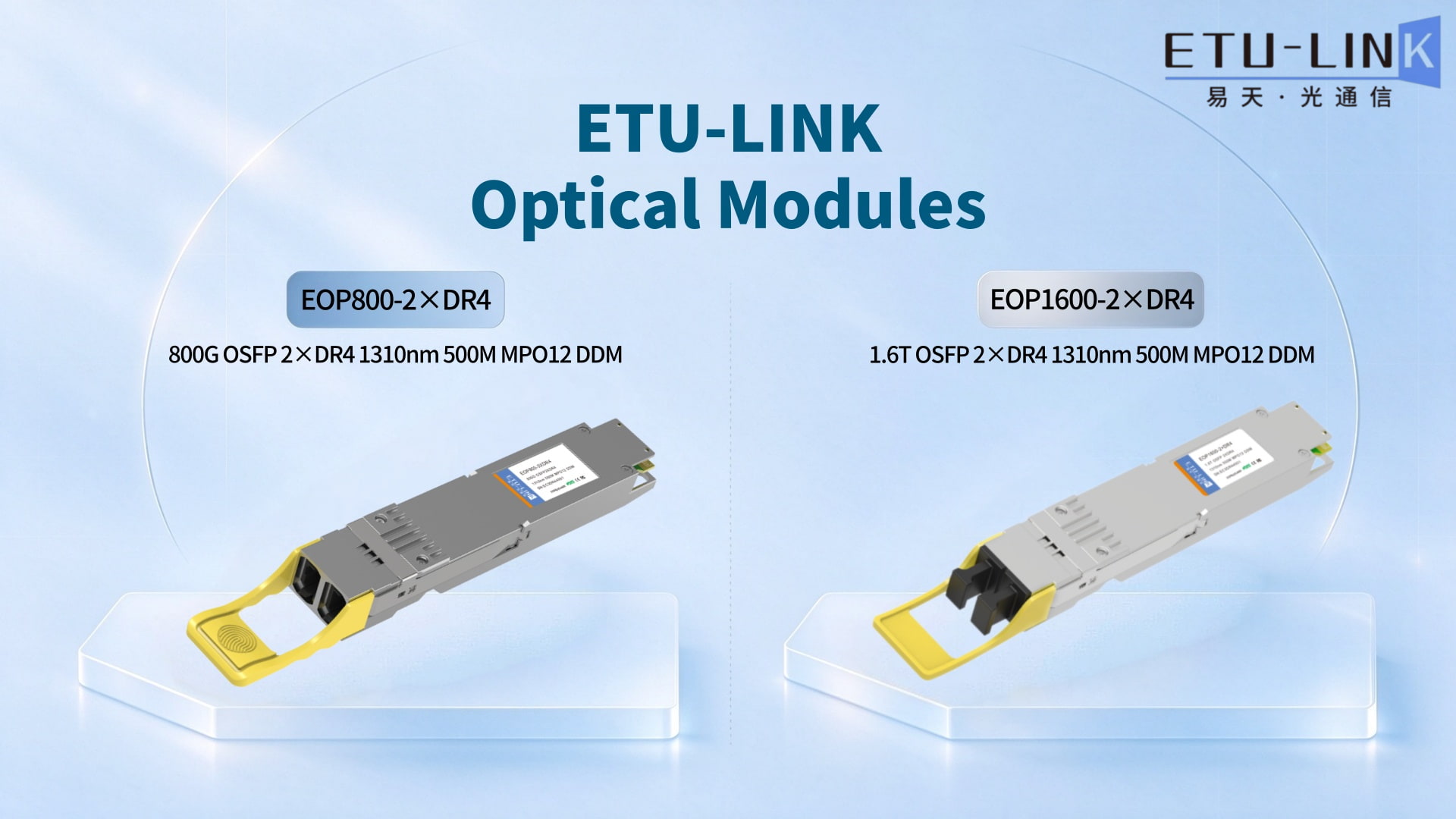
The Ulanqab Wanka intelligent computing cluster has deployed 800G and 1.6T high-speed optical modules on a large scale between the computing servers and switches, forming a high-speed interconnect plane within the cluster.
Large-scale model training is not a single-card independent operation; terms, gradients, and weights need to continuously interact and synchronize among a large number of GPU. The optical module is responsible for electro-optic and photoelectric conversion, sending the computational data stream into optical fibers to form a high-density interconnect network.
The bottleneck often lies in the optical modules: insufficient bandwidth, high jitter, and high bit error rate will cause data flow congestion, GPU idling and wasting computing power, and the actual token output of the cluster will not increase. Only high-speed optical modules with low jitter and high reliability can support large-scale synchronous training and unleash the true capacity of a multi-card cluster.
The industry typically uses peak computing power (PFlops) to measure hardware scale; however, in this model, the more crucial metric is word throughput, the upper limit of which is determined by the specifications of the optical modules and the interconnect bandwidth of the cluster.
II. Intercity Backbone: Long-distance optical modules combined with dedicated optical cables safeguard the business bottom line of "Beijing plus one step west."
The intelligent computing cluster connects to two dedicated 144-core dual-route optical cables directly to Beijing via long-distance optical modules, achieving a stable one-way latency of 2.1ms. This latency is a prerequisite for the commercialization of the interactive token service.
Inference requests from Beijing are transmitted to the grassland computing cluster via optical network. After generating tokens, the results are then transmitted back along the same route for delivery.
Once the optical components are insufficient or the signal quality deteriorates, this low-latency window will be broken. Even if green electricity is cheap and the heat dissipation is good, the cluster can only run offline batch tasks and cannot perform real-time interactive inference. Cross-domain scheduling of tokens and external services are out of the question.
In simple terms: the business model of the Token business relies on a deterministic latency foundation jointly constructed by interconnected optical modules, long-distance transmission optical modules, and trunk optical fibers within the data center.
III. Industry Stage Transition: Moving from selling computing power to operating data elements using an optical infrastructure.
1) Grassland Cloud Valley Phase: Focus on rack and server leasing, with optical communication as a supporting infrastructure;
2) Intelligent computing cluster stage: The core is GPU cluster leasing, and optical modules are essential hardware for cluster expansion;
3) Lexeme Economy Phase: The goal is to build an ecosystem featuring unified scheduling, cross-cluster data flow, and the trading and distribution of lexemes.
At this stage, the optical module is no longer just a component, but a standardized basic interface in the word element circulation network. Every word element scheduling, delivery, and distribution must go through the optical module to complete the signal conversion. Without a sufficient pool of high-performance optical modules, cross-cluster dynamic scheduling and the marketization of word element elements are just empty talk.
Complete value chain: Green electricity generated by wind and solar power → Tokens generated by GPU in intelligent computing centers → Signal conversion completed by high-speed optical modules and optical fibers carrying optical signals → Token circulation, delivery, and distribution realized through a global optical network → Value realization.
Conclusion
Many people's focus when looking at Ulanqab is mostly on its low-cost green electricity and the scale of its smart computing centers. But there is an easily overlooked logic behind the word economy: wind and solar power solve the cost problem on the production side , while the high-speed optical communication system with optical modules at its core solves the problems of latency, determinism, and efficiency in word circulation .
High hardware computing power does not equate to a large effective token production capacity; a large number of data centers does not equate to high industry value. The industry is shifting from simply selling computing power resources to the operation of token elements. High-speed optical interconnects, optical modules, and low-latency trunk lines have also changed from optional accessories to the essential foundation for a viable business model.
The experience in Ulanqab provides a clear reference for the development of computing power hubs in China: the future competition among computing power hubs is essentially a dual competition between energy infrastructure and optical communication infrastructure.
On the grasslands, the scenery is taken from nature, and the flow of information relies on fiber optic networks. Green electricity stabilizes the foundation of production, and optical networks facilitate the circulation of factors of production. The exploration of the information economy continues to advance.
The convergence of computing power and optical communication is just beginning to transform the industry, with key variables, new solutions, and implementation cases constantly evolving. Don't want to miss out on fragmented information and the evolution of the word economy?
For inquiries about our products or pricelist, please leave your information with us and we will be in touch with in 24 hours.


 13th Floor, Building 6, Honghualing Base, Nanshan Intelligent Manufacturing Base, Liuxian Avenue, Taoyuan Street, Xili, Nanshan District, Shenzhen, China
© Copyright: 2026 ETU-Link Technology CO ., LTD All Rights Reserved.

IPv6 network supported
Friendly Links:
易天官网