English



The difference between SFP, SFP+, SFP28, QSFP+ and QSFP28
Optical transceivers are core components for data transmission in network communication, and SFP, SFP+, SFP28, QSFP+ and QSFP28 are the most common packaging types of optical transceivers. These hot-swappable optical modules can be used to connect network switches and other network devices (such as servers, etc.) for data transmission. Before clarifying the difference between these package types, you need to understand what the SFP, SFP+, SFP28, QSFP and QSFP28 packages are. Next ETU-LINK will give you an introduction to these package types.
Ⅰ. What is an SFP Module?
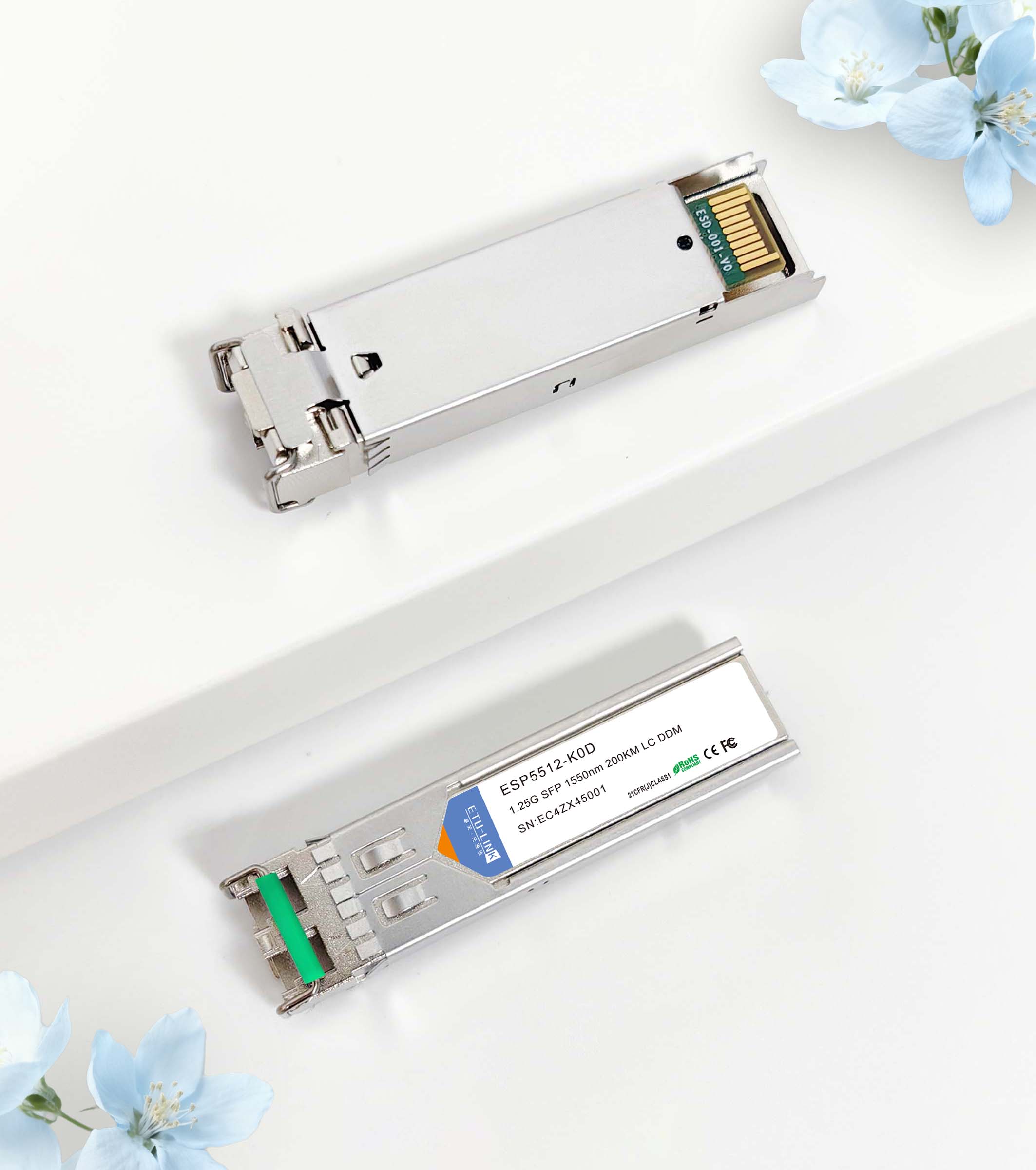
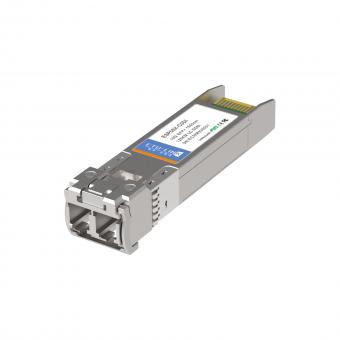
SFP is the abbreviation of Small Pluggable, which can be simply understood as an upgraded version of GBIC. Its volume is only 1/2 of GBIC module. , and this compact design greatly increases the port density of network equipment, making it a cost-effective choice for low-speed transmission scenarios.
The transmission rate of SFP encapsulated optical module is 155M, 1.25G, 2.5G, etc. The interface type is mainly LC interface. SFP optical transceivers are generally applied to SONET/SDH networks, 100M/Gigabit Ethernet and other low-speed transmission applications, and are the basic configuration of traditional enterprise networks and basic communication networks .
Ⅱ. What is an SFP+ Optical Transceiver?
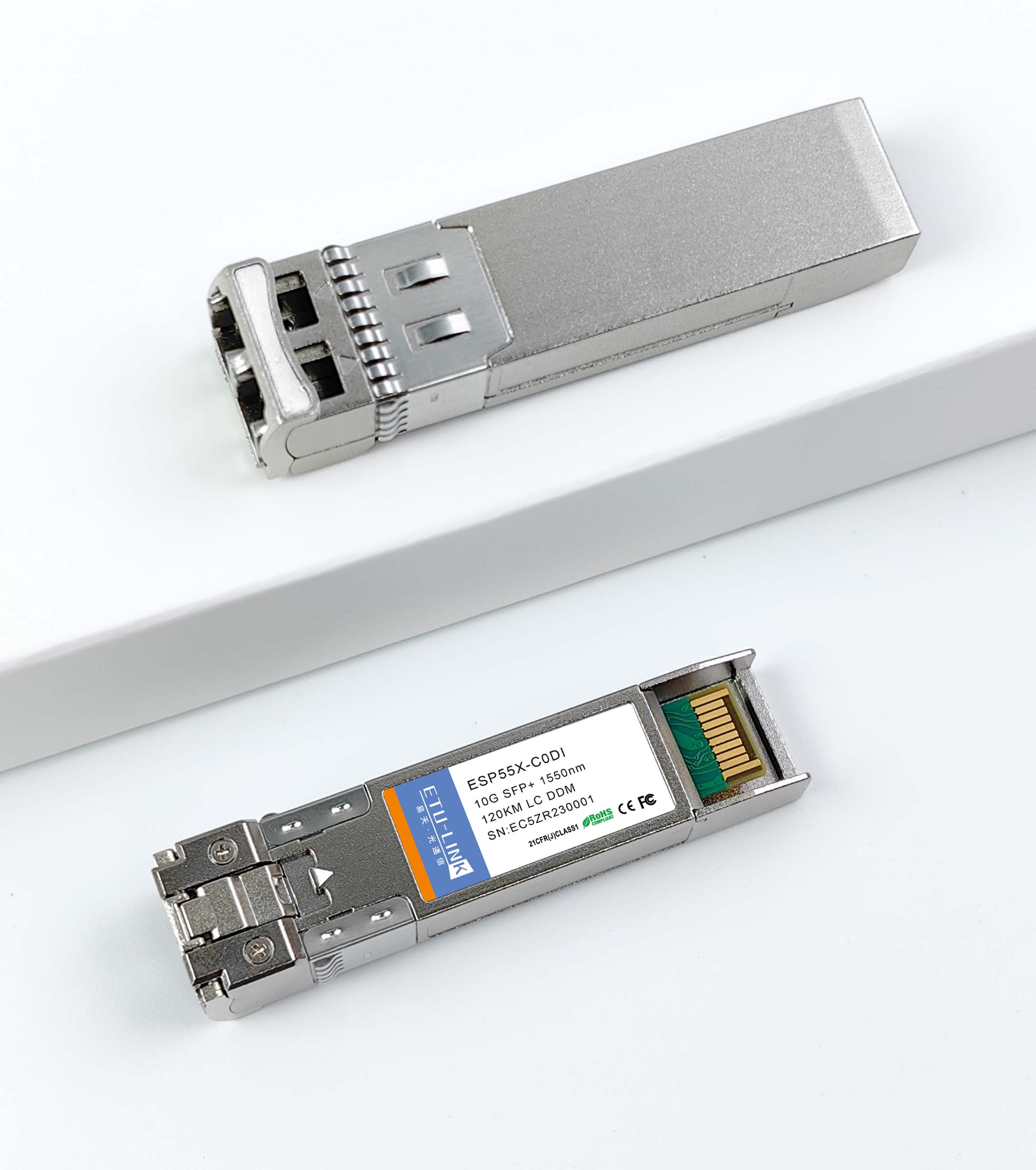
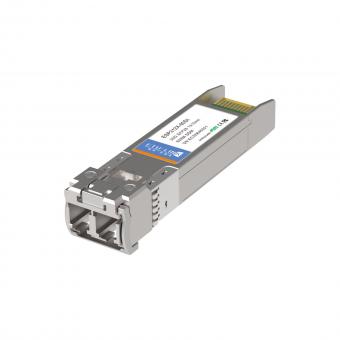
SFP+ and SFP have the same appearance and size, which means they are compatible with the same port slots and realize seamless replacement and upgrade of equipment. The transmission rate of SFP+ packaged optical modules is 6G, 8G, 10G, etc. The package types are 6G/8GFC optical modules, 10G optical modules, 10G copper modules, 10G DAC high-speed cables and 10G AOC active optical cable.
SFP+ series optical transceiver products are mainly used in 10G (10GBASE-SR) Ethernet links of data centers, which are the core optical communication components for building 10G data center networks and meeting the medium-bandwidth transmission needs of small and medium-sized data centers.
Ⅲ. What is an SFP28 Module?
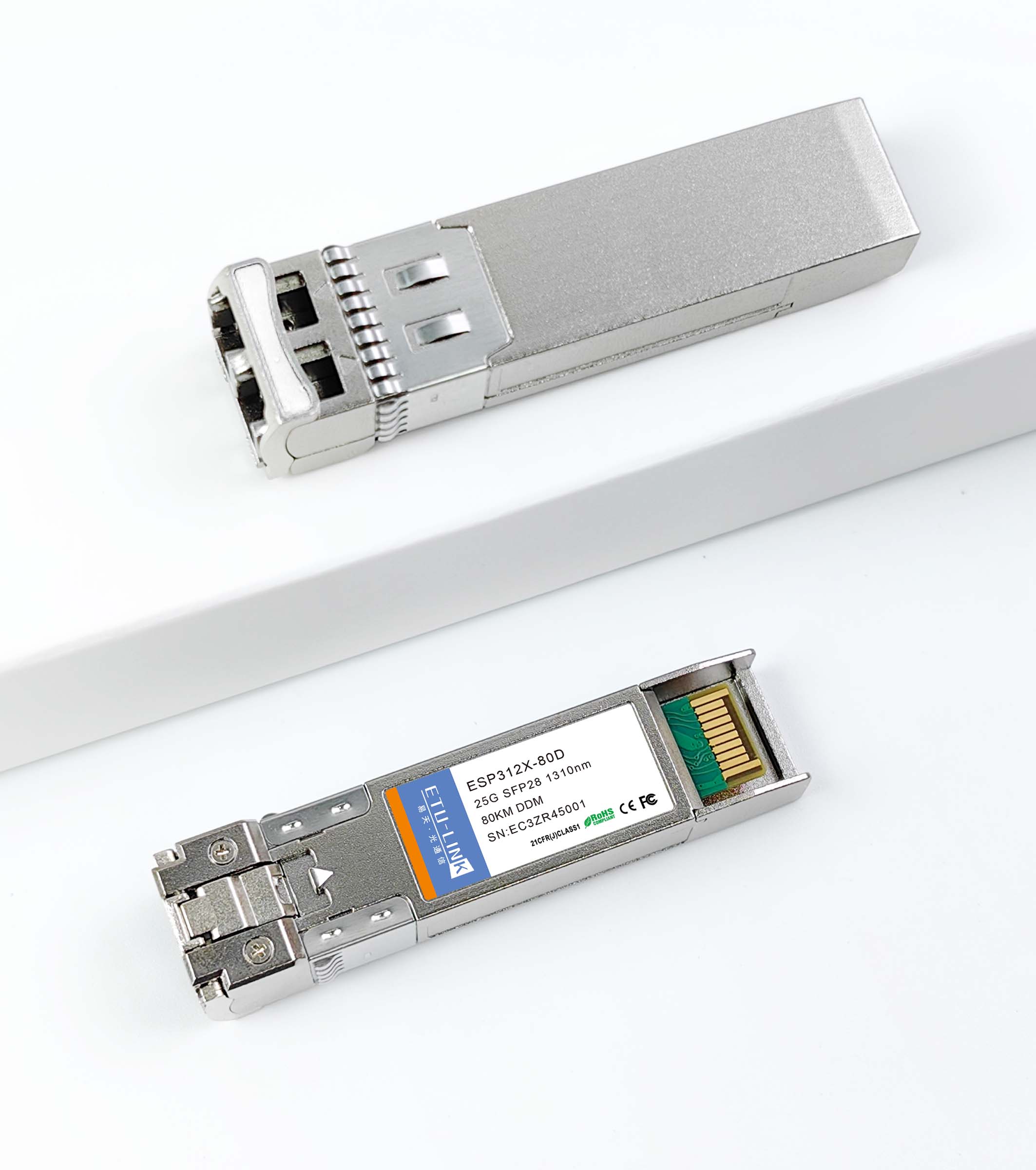
SFP28 is the enhanced evolution of SFP+, developed to meet the growing bandwidth demands of next-generation data centers. It maintains the same small form factor as SFP and SFP+, ensuring backward compatibility with 10G optics in many cases, but operates at a much higher speed.
1) Data Rates: Supports a single-channel data rate of 25Gbps.
2) Typical Applications: Provides an efficient and cost-effective path for network upgrades from 10G to 25G, and serves as a building block for 100G networks (using four 25G lanes). It's essential for modern data center networks.
Ⅳ. What is a QSFP+ Module?
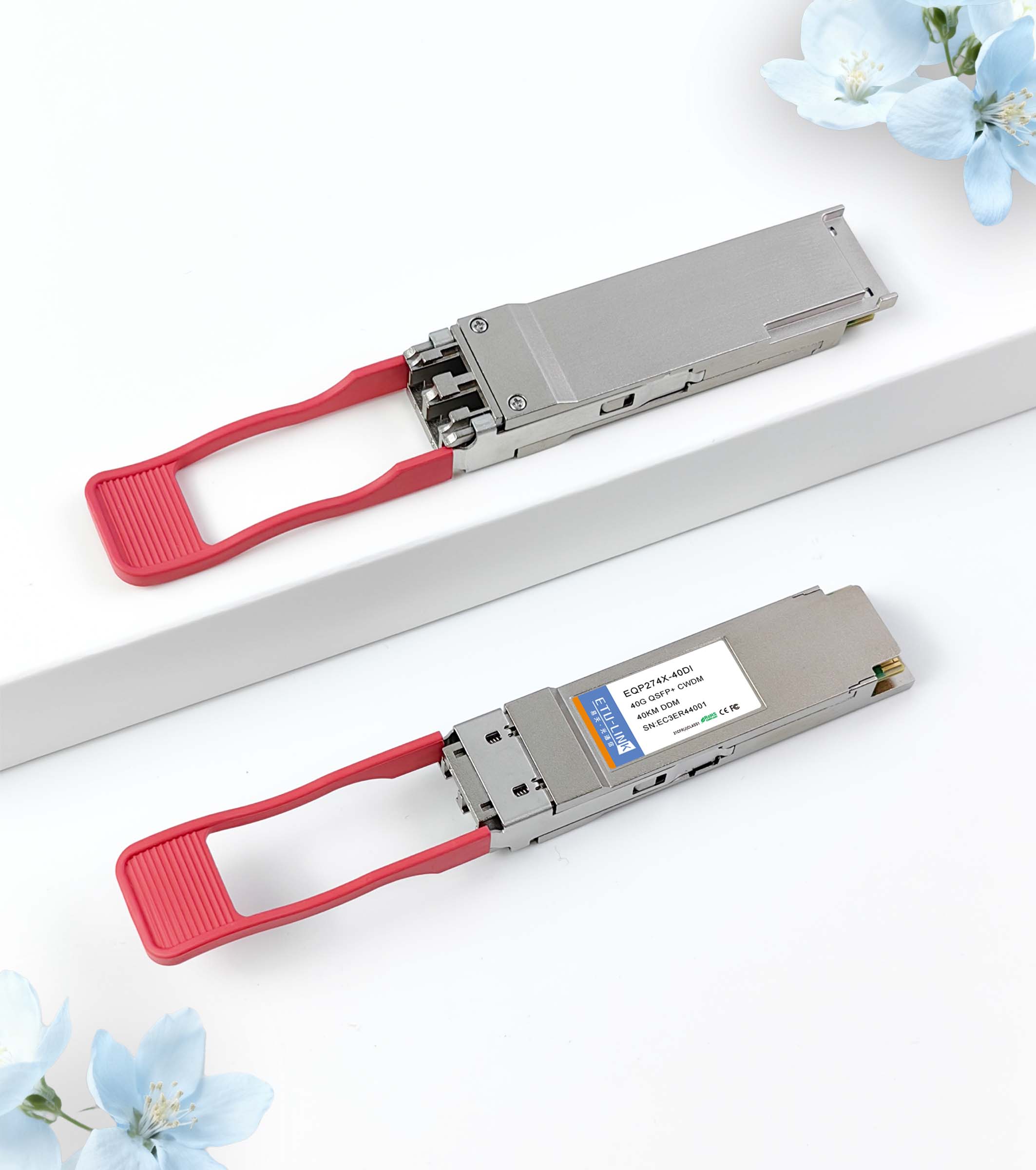
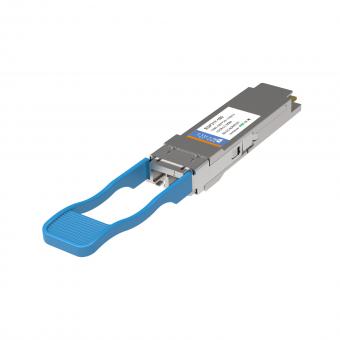
The QSFP+ package can support 4-channel transmission at the same time, and the data rate of each channel is 10Gbit/s, and the transmission rate of 40Gbps is realized through 4 channels. Compared with SFP+, the transmission rate of QSFP+ optical modules can reach four times that of SFP+ optical modules. QSFP+ optical modules can be used directly when deploying 40G networks, thereby effectively saving costs while increasing port density.
Ⅴ. What is a QSFP28 Module?
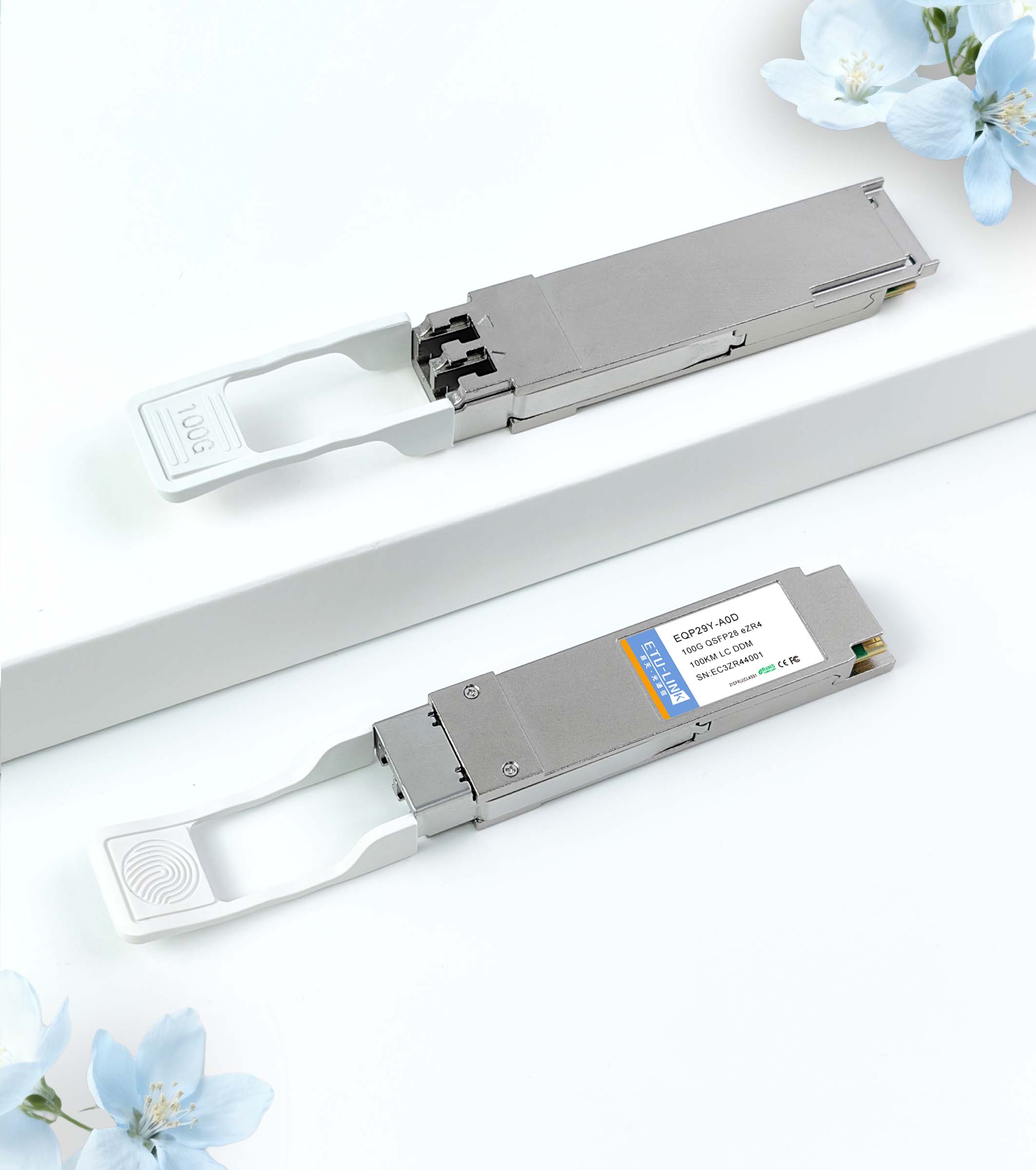
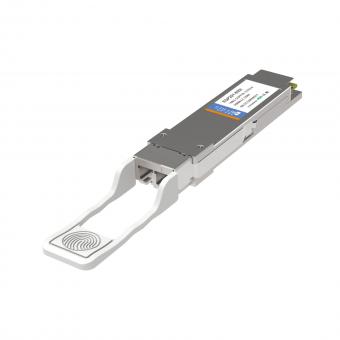
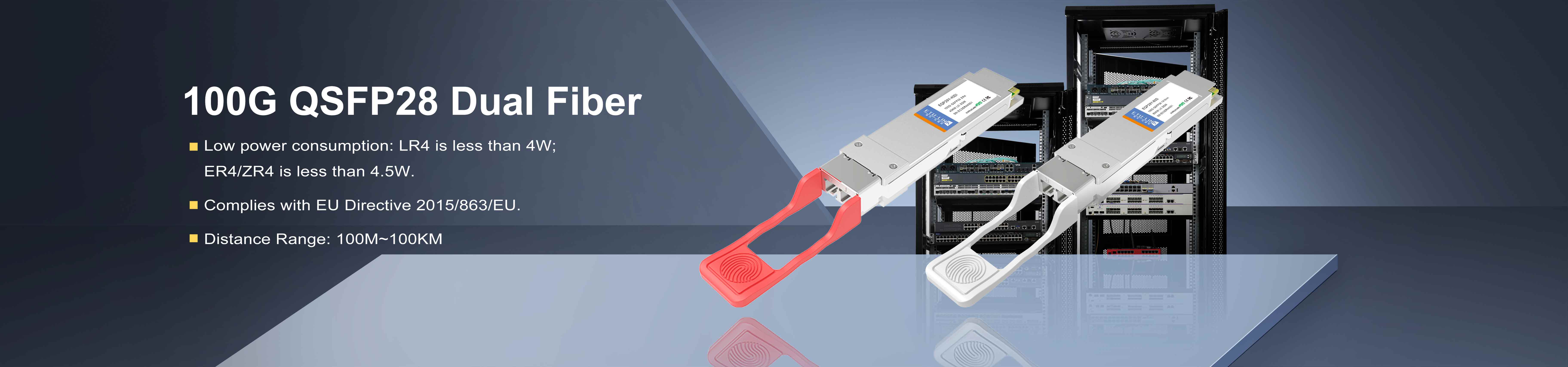
QSFP28 package type is developed to meet the application needs of 100G high-speed optical communication networks, and it inherits the quad-channel design of QSFP+. QSFP28 optical transceivers support 4-channel simultaneous transmission, with a data rate of 25Gbit/s per channel, and achieve a total transmission rate of 100Gbps through 4-channel aggregation.
This high-speed optical transceiver can perfectly meet the application requirements of 100G Ethernet (4×25Gbps) and EDR InfiniBand, and is the mainstream packaging type of 100G optical transceivers in the current market, which is widely used in the construction of 100G backbone networks, large-scale data center interconnection and ultra-high bandwidth communication scenarios.
Ⅵ. Core Differences Between SFP, SFP+, SFP28, QSFP+ and QSFP28
After introducing the five encapsulation types, ETU-LINK will explain to you some of the differences between these encapsulation types.
1. Transmission Rate
2) SFP+ is a packaging type for optical modules with a speed of 6G-16G;
3) SFP28 is a packaging type for optical modules with a speed of 25G/32G;
4) QSFP+ is a packaging type with a speed of 40G /56G optical module packaging type;
5) QSFP28 is a 100G optical module packaging type.
2. Built-in Optical Components
In terms of the number of built-in optical components, SFP, SFP+ and SFP28 are all single-channel optical transceivers, with a single laser and a single detector built-in, which are suitable for single-channel data transmission scenarios; QSFP+ and QSFP28 are quad-channel high-density optical transceivers, with 4-channel laser arrays and 4-channel detector arrays built-in to support multi-channel parallel transmission. In addition, the interface protocols of these five optical transceiver packaging types are also different, and they cannot be mixed and matched at will in actual application.
3. Package Size
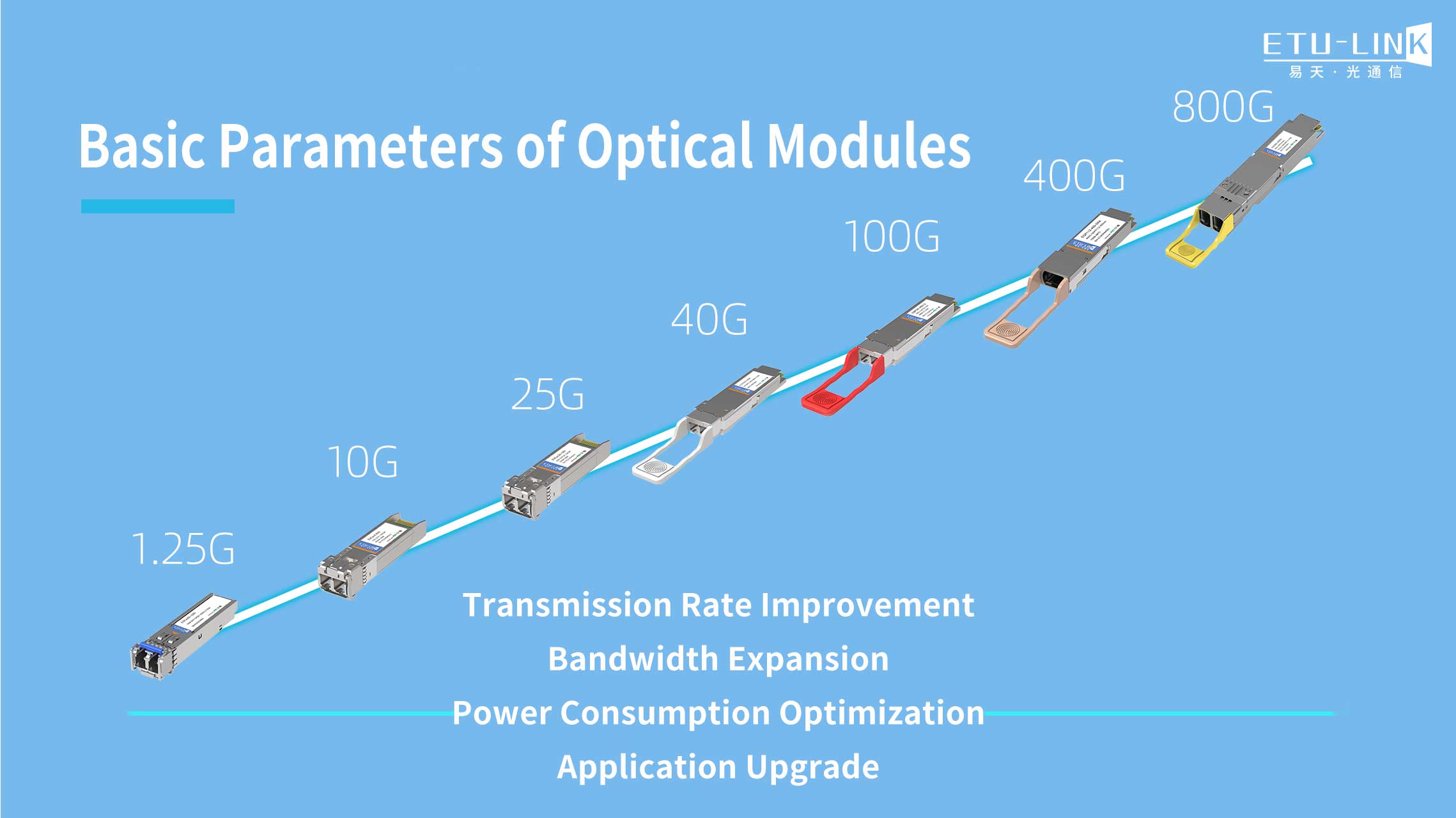
From the perspective of package size, the sizes of SFP, SFP+ and SFP28 are smaller than those of QSFP+ and QSFP28 (the two have the same size). By comparing SFP and SFP+ , SFP28 and SFP+, QSFP28 transmission rate and size, we can see that the main driving force for the development of optical modules lies in the pursuit of small size while achieving higher bandwidth.
Why Choose ETU-Link Optical Transceiver?
ETU-LINK Technology Co., Ltd. is a optical transceiver manufacturer specializing in the development, production, and promotion of high-performance fiber optic transceivers and high-speed cabling solutions.
1) Low to Mid-Speed: SFP, SFP+, SFP28, QSFP, QSFP+ series covering 1G to 40G
2) High-Speed: 100G QSFP28, 200G QSFP56, and 400G QSFP-DD/OSFP modules
3) Ultra-High-Speed: 800G OSFP DR8 and 800G OSFP 2×DR4, built on 8×100G PAM4 architecture
All ETU-LINK modules are rigorously tested for seamless interoperability with major switch and router brands. Products comply with international standards including IEEE 802.3, MSA (Multi-Source Agreement), CMIS 5.0+, and compliance CE, FCC, and RoHS.
Related Products
Last updated: August 19, 2026
For inquiries about our products or pricelist, please leave your information with us and we will be in touch with in 24 hours.


 13th Floor, Building 6, Honghualing Base, Nanshan Intelligent Manufacturing Base, Liuxian Avenue, Taoyuan Street, Xili, Nanshan District, Shenzhen, China
© Copyright: 2026 ETU-Link Technology CO ., LTD All Rights Reserved.

IPv6 network supported
Friendly Links:
易天官网