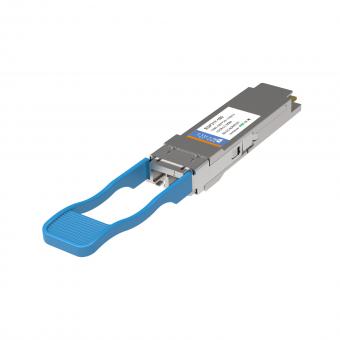
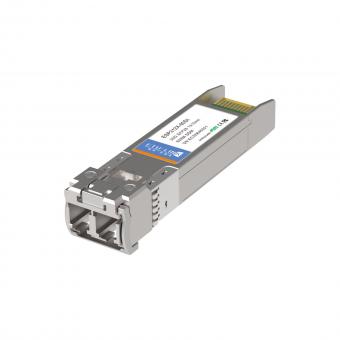
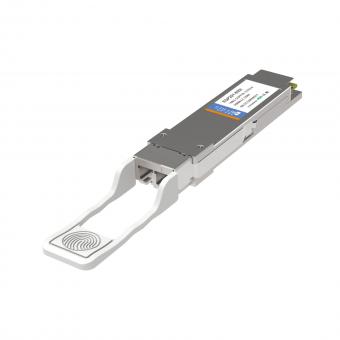
The arrival of the mobile Internet, the rise of the optical communications industry. We are inseparable from the optical communication. Fans can watch live on phone, people working outside can always talk to their parents any time, women can shop online. All of these bits and pieces of life we are all well received by the light. All of these we have benefited from optical communication.
optical module mainly use in optical communication industry. Its function is mainly photoelectric conversion, its transmitting end converts electrical signals into optical signals. And the receiving end converts the optical signal into electrical signal after the optical fiber transmission. Simply, optical module is the transfer device for transmitting and receiving electrical signals, is a bridge of the transmission of electrical signals.
Today we listed the following common optical modules types.
|
Package
|
Brief Introduction
|
Picture
|
|
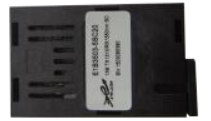
1*9
|
Also called 9PIN or 9 pin optical transceiver,this optical fiber transceiver has 9 PIN angle. It is one of the most common form of the early module, has big market demand, mainly used in the optical fiber transceiver.
|
|
|
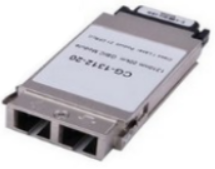
GBIC
|
The abbreviation of Gigabit Interface Converter,it converts the Gigabit electrical signal into optical signal. GBIC design can be used for hot pluggable. GBIC is a interchangeable product meet international standard. GBIC is basically replaced by SFP currently, except some older models of the device will use, it has basically has been eliminated.
|
|
|
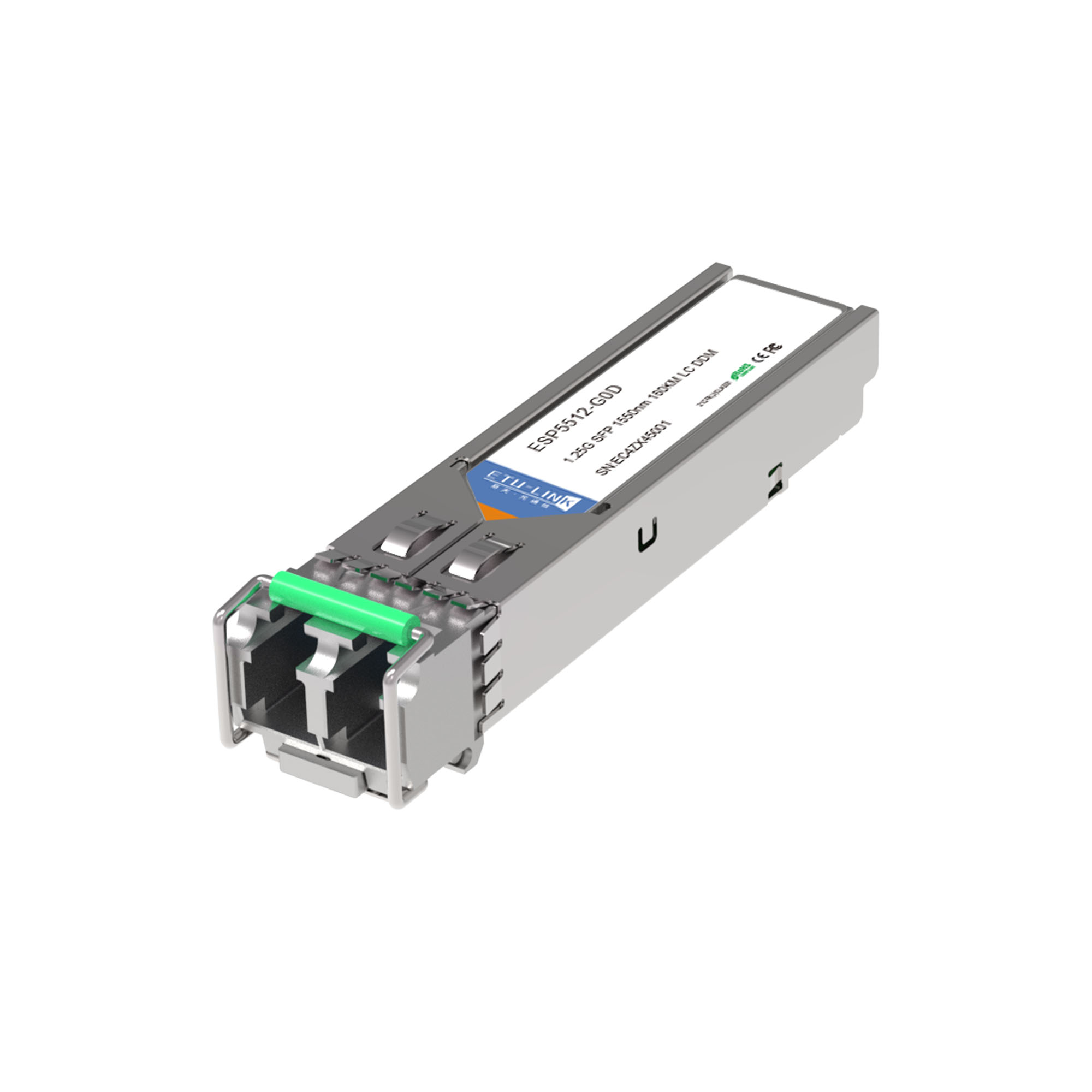
SFP
|
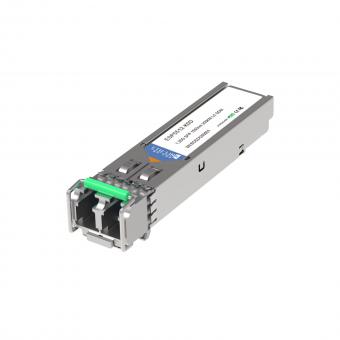
Full name is Small Form-factor Pluggables, is the upgraded version of early GBIC transceiver.Smaller than GBlC, higher degree of integration. It is the most common transceiver at present, is the transceiver we usually say.
|
|
|
X2
|
X2 transceiver is one of the main package type of 10G, developed by XENPAK. It is an input/output device supports hot pluggable,mainly use in Ethernet X2 port switch or router and network connect port.
|

|
|
XENPAK
|
An important step in the evolution of optical module products, support the optical interface defined by IEEE802.3ae. The technology is mature, and the application is wide. Large size,power consumption is also large
|

|
|
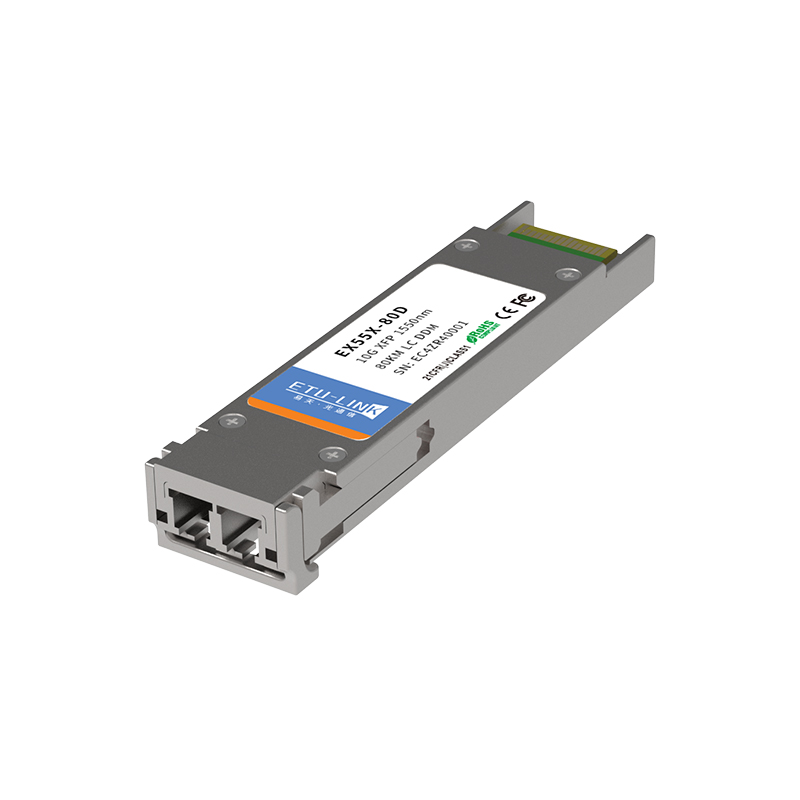
XFP
|
The XFP multi protocol proposed in 2002, the emergence of XFP transceiver and the rapid development of technology, as well as its small size, low price, has been widely used.
|
|
|
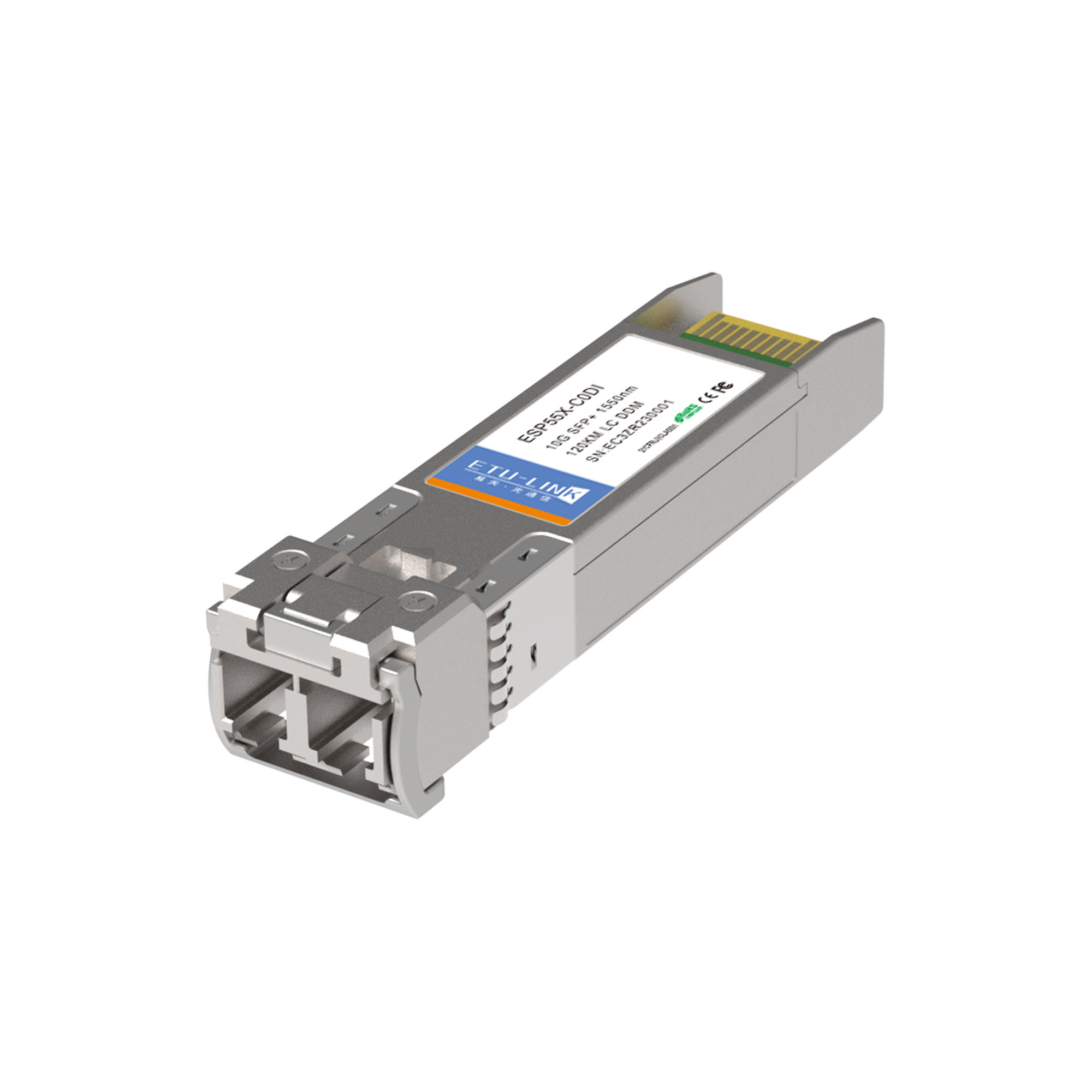
SFP+
|
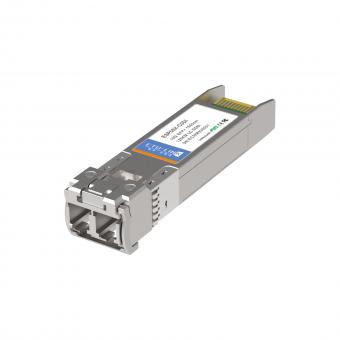
SFP+ is a new type hot pluggable optical transceiver for SFP apply in 10Gbit/'s Ethernet and 8.5Gbit/s fiber channel system. SFP+ cost is lower than XFP.
|
|
|
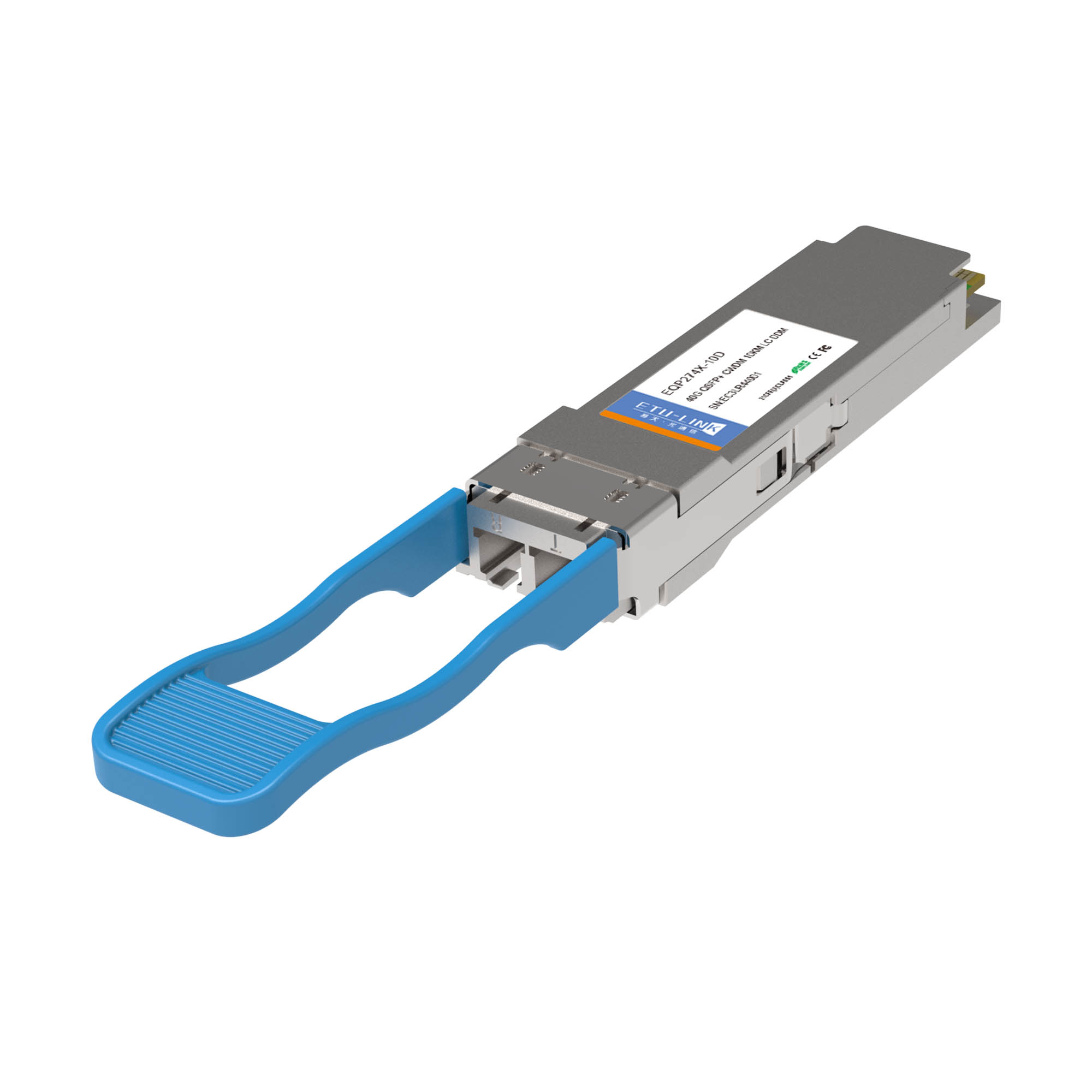
QSFP+
|
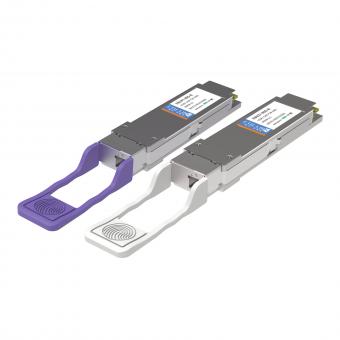
Full name is Quad Small Form-factor Pluggable Plus. Four small volume can be inserted into(QSFP +) solutions, are designed for high density applications.
|
|
|
CF2
|
CFP2 is a new technology, it is widely used in data, telecom, storage network and cloud computing field. It will be a relatively large application prospects and space in the coming years.
|
|
|
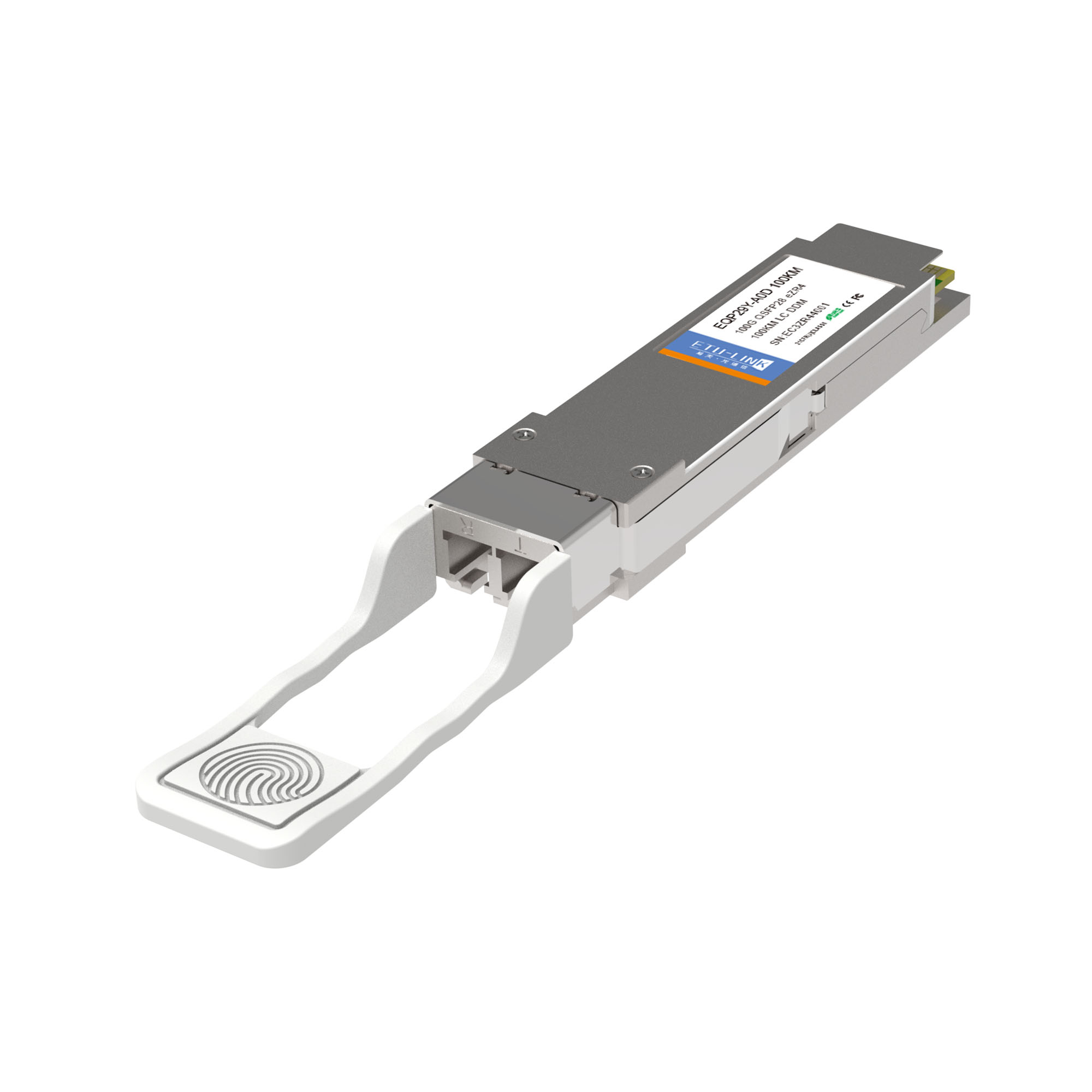
QSFP28
|
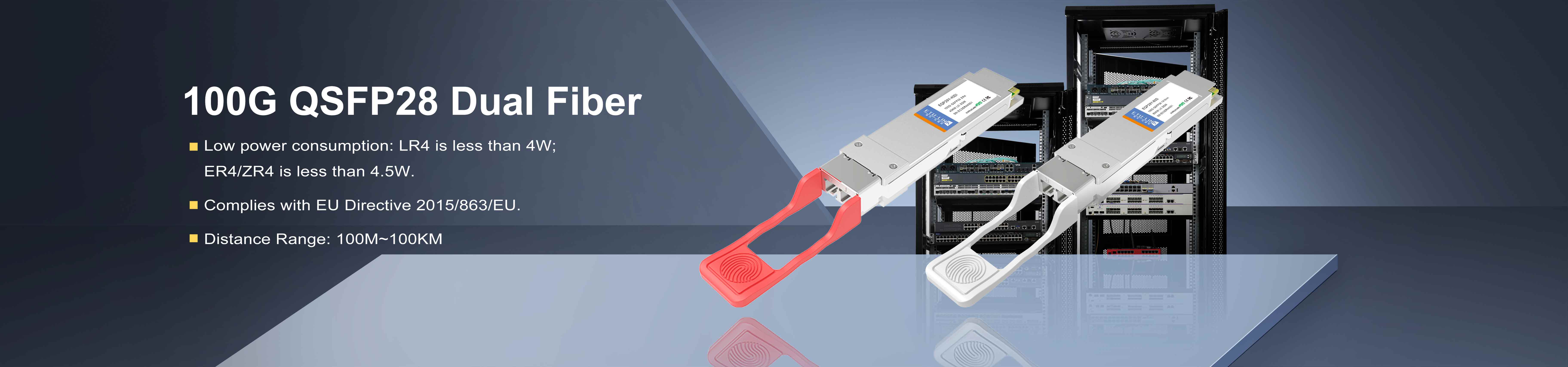
A QSFP28 is a Quad (4-channel) small form factor hot pluggable fibre optic transceiver used for 100 Gigabit Ethernet (100GbE) data communications applications.
|
|
|
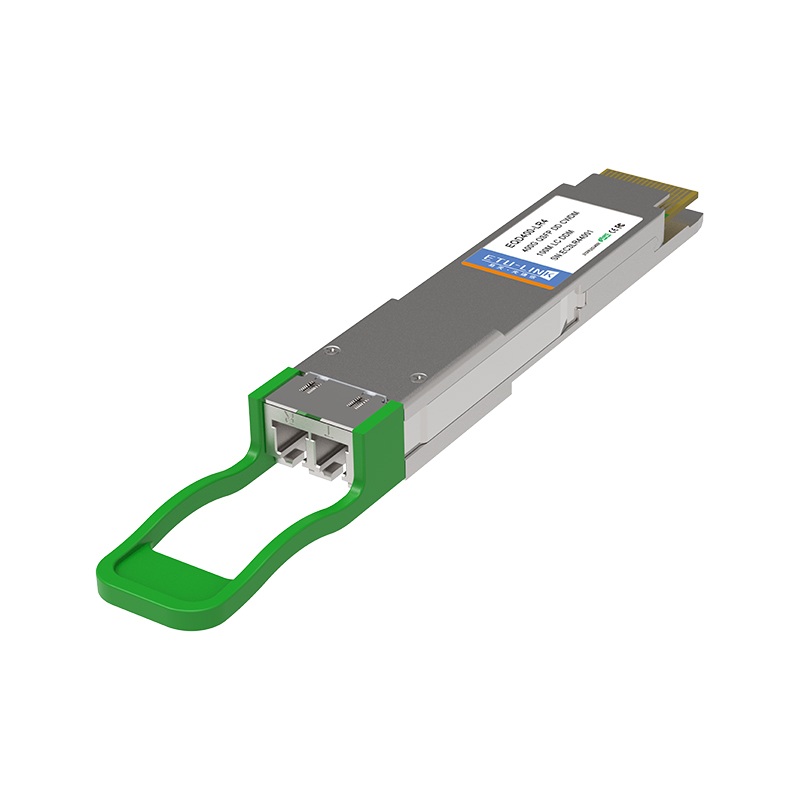
QSFP-DD
OSFP
|
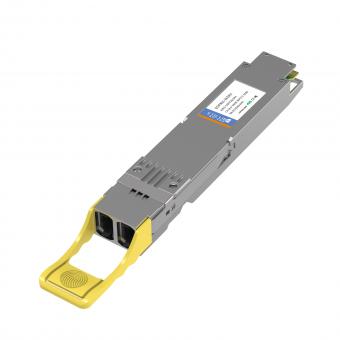
QSFP-DD and OSFP, it is the standard upgrading product of current global large-scale data centers. Supports short-distance internal cabinet interconnection, medium-distance park interconnection and long-distance backbone fiber transmission.
|
|
From above, we can see that the most common module are SFP and SFP+ optical transceiver. It won the good reputation with small shape and high performance. They are our best selling products.
Above are some common types of transceivers. Maybe you will be unfamiliar to the transceivers. In fact, it is closely related to our lives. The internet development provides great convenience for our quality of life, optical transceiver plays a very important role.
From early low-speed packaged optical modules such as XENPAK and X2 to mainstream SFP/SFP+ medium-speed modules, and then to the rapid popularization of 100G/400G ultra-high-speed modules and the layout of forward-looking 800G/1.6T products, the classification of optical modules has been constantly enriched with network bandwidth upgrades. Reasonably selecting optical modules matching rate, package and use scenario can effectively reduce network operation cost and improve overall transmission stability.
ETU-LINK supplies full-series complete-spec optical modules, covering traditional 100M~10G classic models and 100G, 200G, 400G, 800G, 1.6T mainstream ultra-high-speed modules, as well as customized wide-temperature industrial-grade optical transceivers, fully meeting access network, data center and operator communication network construction demands.
Last updated: May 21, 2026


 English





 13th Floor, Building 6, Honghualing Base, Nanshan Intelligent Manufacturing Base, Liuxian Avenue, Taoyuan Street, Xili, Nanshan District, Shenzhen, China