English




As the core hub of optical communication systems, the rate iteration of optical modules determines the data transmission efficiency and upper limit, supporting the upgrading of industries such as digital economy, AI computing power, and 5G communication. From 1.25G to 800G, the iteration of optical modules is accompanied by innovations in architecture, principles, and performance. This article wil...

I. Basic Definition of TEC TEC stands for thermoelectric cooler, a miniature semiconductor solid-state temperature control element. Lasers in optical modules are highly sensitive to temperature; temperature fluctuations can easily cause problems such as wavelength shift, power instability, and signal degradation. Therefore, mid-to-high-end high-speed optical modules commonly incorporate miniature ...

With the rapid development of data centers, AI, and 5G transport networks, 400G optical modules have become a core necessity in the communications industry chain. Compared to the mature 100G optical modules, their large-scale deployment still faces many underlying technical and application challenges, directly restricting market penetration and affecting cost control and operational stability in d...

In optical communication network design, one of the most frequently asked questions engineers are asked is: "How far can this optical fiber actually transmit?" It seems like a simple question, but behind it lies a rigorous set of calculation logic. Today, let's break down how the transmission distance of an optical module is calculated. Ⅰ.Two Major Obstacles: Loss and Dispersion The transmission d...
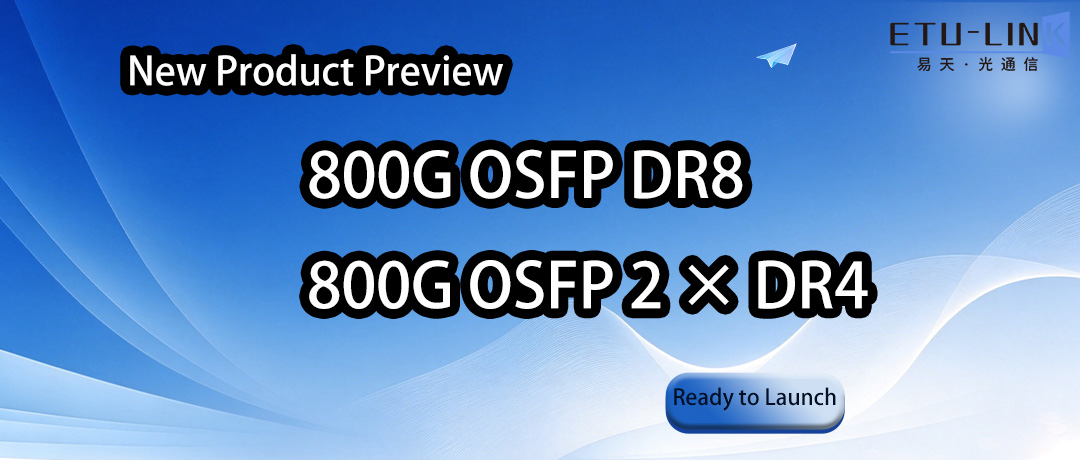
With the rapid development of AI computing power and the continuous surge in data center traffic, 400G networks are gradually reaching their performance bottlenecks. To adapt to the needs of high-density, low-latency computing network upgrades, ETU-LINK Optical Communication has launched a pre-launch campaign for new products, showcasing two self-developed 800G high-speed optical modules based on ...
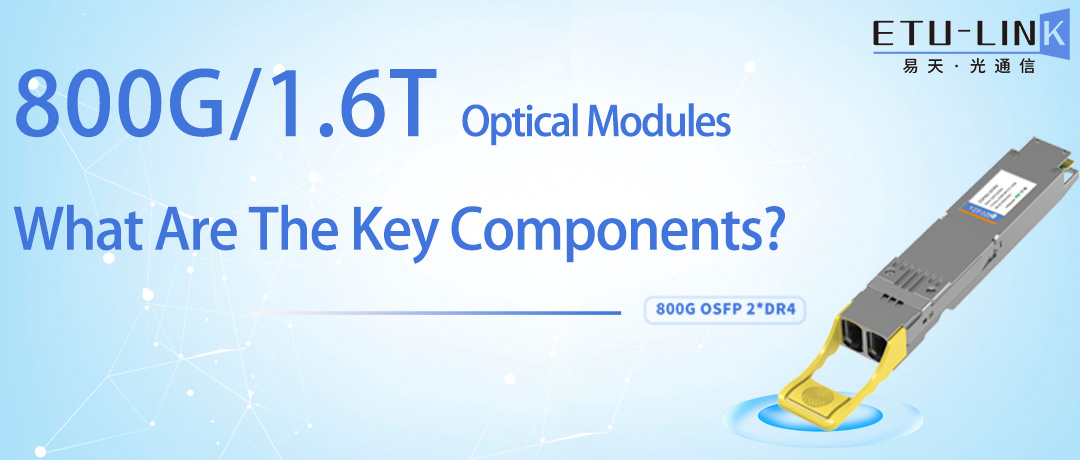
With the rapid expansion of AI computing clusters and large data centers, the optical communication industry is accelerating its iteration from 400G to 800G large-scale commercial use and 1.6T small-batch trial production. The core of upgrading high-speed optical modules lies not in simply increasing the speed, but in the technological innovation of core optoelectronic materials. In 800G/1.6T tran...

With the rapid development of cloud computing, artificial intelligence, and 5G networks, the demand for bandwidth in data centers is growing exponentially. 400G optical modules, with their superior performance, are gradually becoming a core component of next-generation high-speed networks. Among numerous optical module brands, ETU-LINK stands out with its core competitiveness in high cost-effectiv...

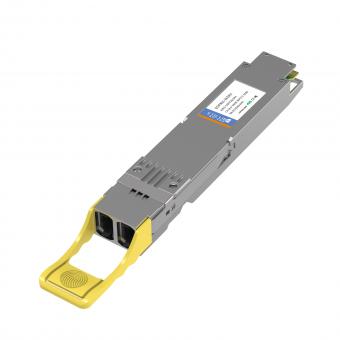
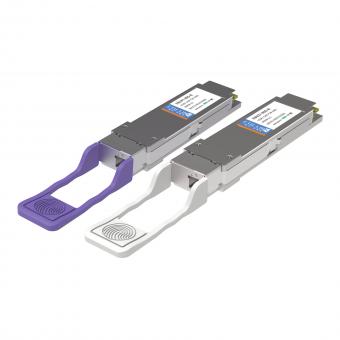
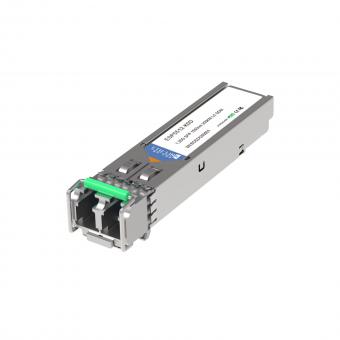
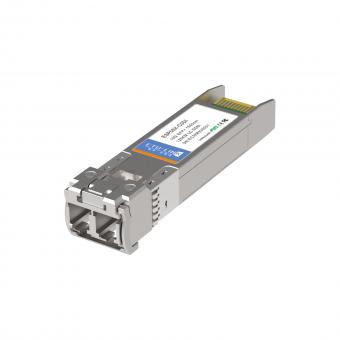
In data center and communication network construction, optical modules, as core components for photoelectric signal conversion, directly determine equipment compatibility and transmission performance through their interface types. Correctly understanding and distinguishing various commonly used interfaces is essential knowledge for network engineers and procurement personnel. I. By Package Interfa...
For inquiries about our products or pricelist, please leave your information with us and we will be in touch with in 24 hours.


 13th Floor, Building 6, Honghualing Base, Nanshan Intelligent Manufacturing Base, Liuxian Avenue, Taoyuan Street, Xili, Nanshan District, Shenzhen, China
© Copyright: 2026 ETU-Link Technology CO ., LTD All Rights Reserved.

IPv6 network supported
Friendly Links:
易天官网