English



How to use the media converter?
Many network installers and project engineers ask: What is fiber media converter used for? How to wire media converter correctly? Does media converter have to be used in pairs? What matters need attention during installation? This article introduces working principle, classification, step-by-step wiring steps and practical precautions of media converter.
Optical fiber media converter is also known as optical-to-electrical converter, its function as converting the optical and electrical signal. The transmission process is roughly: the electrical signals are converted into optical signals, transmitted through optical fibers, and then the optical signals are converted into electrical signals at the other end, and then connected to routers, switches and other devices. In practical application, the biggest function of optical fiber transceiver is to extend the transmission distance. The following ETU-Link will briefly introduce the optical fiber media converter and its use.
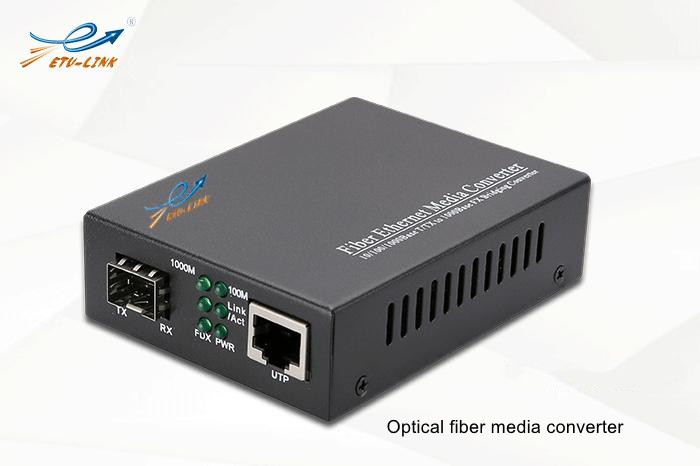
Ⅰ.What Is the Core Function of Fiber Media Converter?
The network cable (twisted pair) we often used, its maximum transmission distance is limited, the general twisted pair of the maximum transmission distance is 100 meters. Therefore, when we deploy large networks, we have to use relay equipment. Of course, optical fiber can also be used for transmission, because the transmission distance of optical fiber is very long, so it is often used in the layout of large networks. Generally speaking, the transmission distance of single-mode optical fiber OS2 is more than 10km, and the transmission distance of multi-mode optical fiber can reach up to 2km.
Media converter realizes RJ45 electrical signal ↔ fiber optical signal conversion, breaking the 100m transmission limit of copper network cable, which is the core solution for long-distance network extension in security monitoring, campus and enterprise networking.
When using optical fiber, we will often use optical fiber media converter, the media converter has been applied in all walks of life, including security monitoring, enterprise network, campus LAN, etc. Optical media converter are small in size and take up little space, so they are ideal for deployment between cables and chassis where space is limited.
Ⅱ. What Are Common Types of Media Converter?
There are different categories of media converter, such as SC media converter, FC/ST media converter, and some transceivers with SFP ports. Therefore, when we use fiber optic media converter to connect different devices,we should pay attention to the the port it used is different.
According to structure classification: fixed port media converter (SC/FC/ST integrated fiber port) and SFP slot modular media converter; According to rate: 100M, Gigabit, 2.5G industrial media converter; According to application: commercial desktop type and rack-mounted 1U media converter for cabinet centralized management.
Ⅲ. How to Wire Media Converter Step by Step?
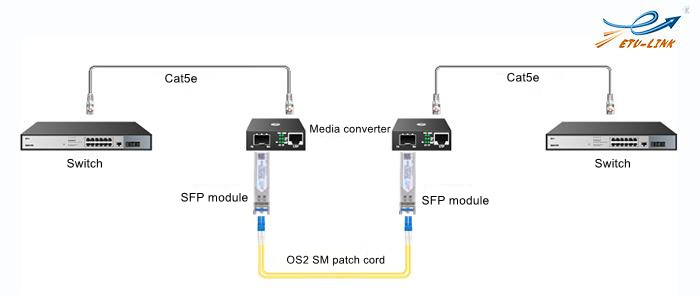
Normally, when we use fiber media converter, we use them in pairs. The steps are as follows:
1. Connecting the electrical port of the switch to the RJ45 port of the media converter using a UTP cable (a network cable larger than Cat5).
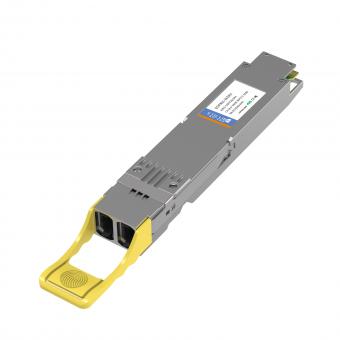
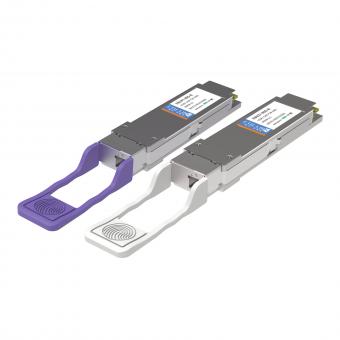
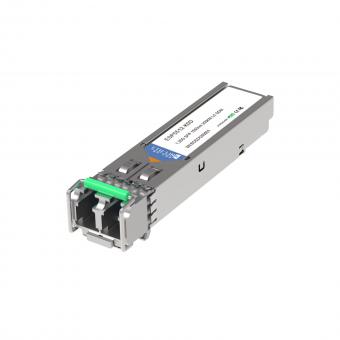
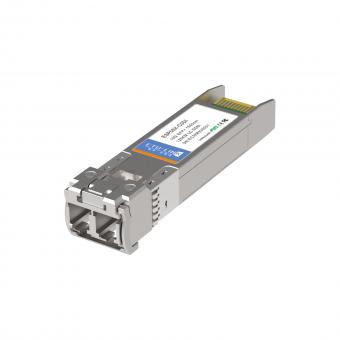
2. Inserting one SFP optical module into the SFP optical port of the media converter, and then insert the other SFP optical module into the SFP optical port of the other media converter.
3.Using optical patch cord to connect two optical fiber media converter.
Wiring supplementary tip: Use Cat5e/Cat6 network cable for Gigabit transmission; single-mode SFP matches OS2 single-mode fiber, multimode SFP matches OM3/OM4 multimode fiber to avoid abnormal link loss.
Ⅳ. What Key Notes for Daily Use of Media Converter?
This is a brief introduction and use of optical fiber media converter from ETU-Link. The media converter can be flexibly deployed in different network environments. Most optical transceivers are hot pluggable. Therefore, you do not need to turn off the power supply of the media converter when the optical transceiver is inserted into the SFP optical port. Note that when removing an optical module, remove the optical fiber patch cord first, insert the optical module into the media converter, and then insert the optical fiber patch cord.
Additional precautions:
1. Commercial converter works at 0~70℃, industrial wide-temperature model adapts -40℃~85℃ outdoor harsh environment;
2. Check PWR, LINK indicator lights after power on, normal light status means smooth link;
3. Avoid excessive bending of fiber patch cord during construction to reduce insertion loss.
For inquiries about our products or pricelist, please leave your information with us and we will be in touch with in 24 hours.


 13th Floor, Building 6, Honghualing Base, Nanshan Intelligent Manufacturing Base, Liuxian Avenue, Taoyuan Street, Xili, Nanshan District, Shenzhen, China
© Copyright: 2026 ETU-Link Technology CO ., LTD All Rights Reserved.

IPv6 network supported
Friendly Links:
易天官网