English



The difference between switches and routers and optical module collocation solutions
Switches and routers are core networking devices in LAN, enterprise network, data center, and broadband access systems. Understanding their differences helps select matching optical modules, DAC/AOC cables, and fiber patch cords for stable and efficient network interconnection. This article explains their working layers, functions, and complete optical module matching solutions.
What Is a Switch and What Is a Router?
We all know that a switch is a network device used to forward electrical (optical) signals, while a router is a hardware device that connects two or more networks. It acts as a gateway between networks and reads the data in each packet. The address then determines how to transmit the dedicated intelligent network device. A switch operates at the data link layer (Layer 2) and forwards data based on MAC addresses. A router operates at the network layer (Layer 3) and forwards data based on IP addresses, connecting different networks.
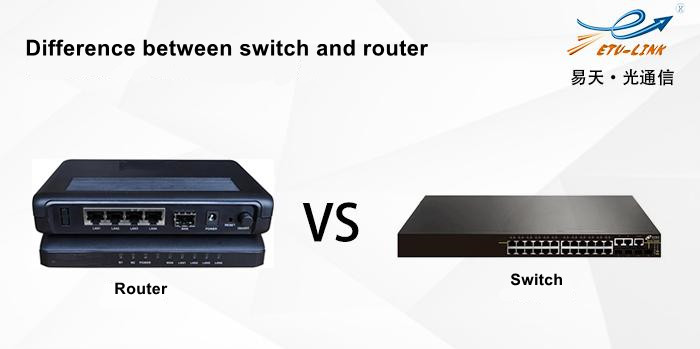
What Are the Key Differences Between Switches and Routers?
First of all, their working scenarios are different. Routers are used in the network layer, while switches are used in the link layer. The main work of the two is to forward data, but the difference is that they rely on different addresses. Routers rely on IP addresses to forward datagrams to the next station, while switches rely on MAC addresses. They search in their own tables according to the MAC addresses in the header information of the received data frames. If they have, they forward them, if not, they give up.
In addition, the switch is used for data forwarding in LAN, while the router is used to connect LAN and extranet. The function of switch is integrated in the router, and data forwarding can be realized when the host is connected with the router, but the disadvantage is that there are not as many scalable interfaces as switches.
Switches provide high-density port interconnection within a local area network; routers provide cross-network routing, gateway, firewall, and NAT functions for WAN/LAN interconnection.
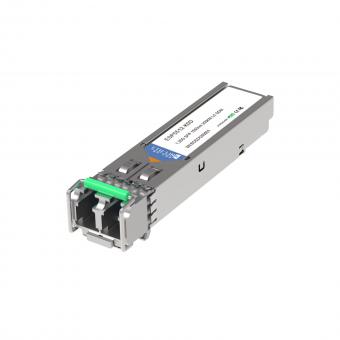
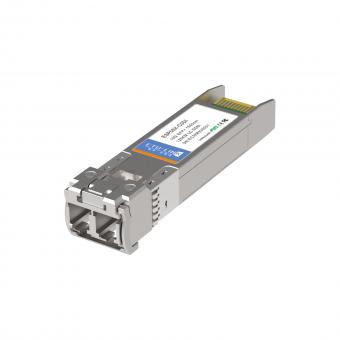
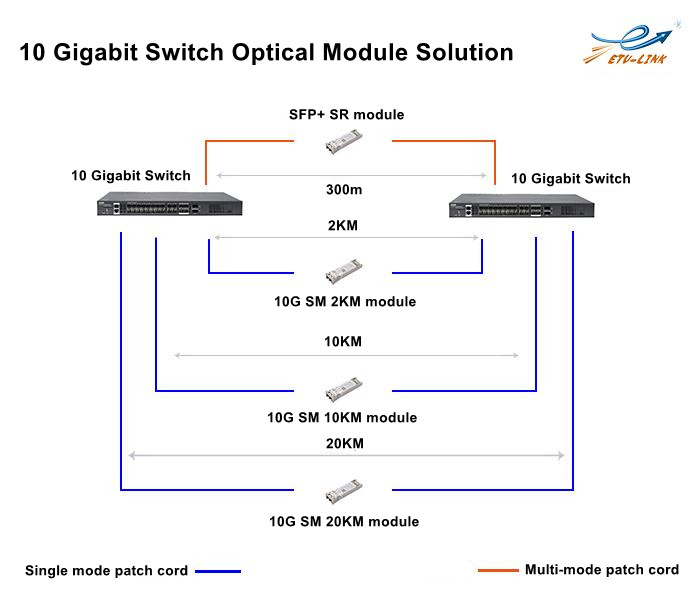
Although they are different in internal structure, the optical interconnection products used are almost the same. Routers and switches need to use optical modules and fiber patch cord to realize the interconnection between network devices. Usually, Gigabit switch can be matched with gigabit optical module and 10 Gigabit optical module. According to the distance between network devices, we need to select the optical module corresponding to the transmission distance. For example, if the distance between devices is 300m, we can use Gigabit multimode optical module (ES8512-3LCD05) or 10 Gigabit multimode 300m optical module (ES85X-3LCD03) with multimode patch cord to realize the interconnection between network devices. (More detailed optical module scheme can be seen in the figure below)
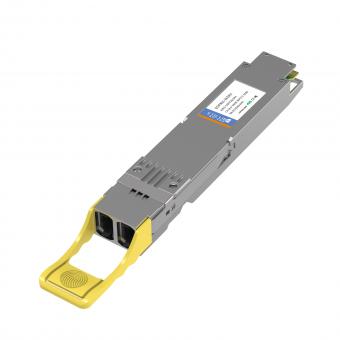
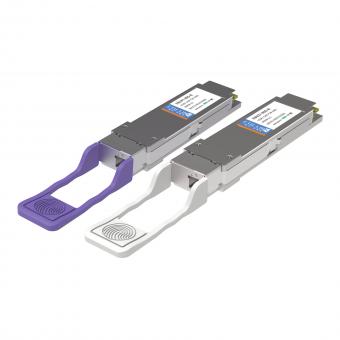
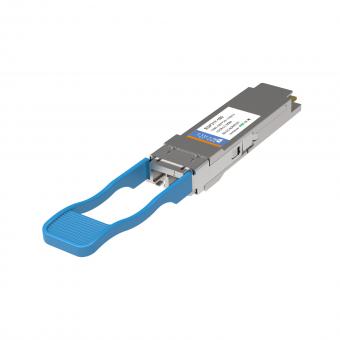
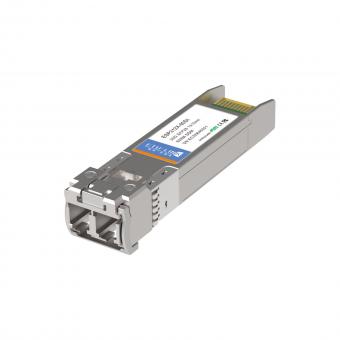
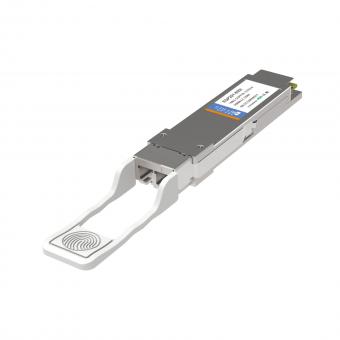
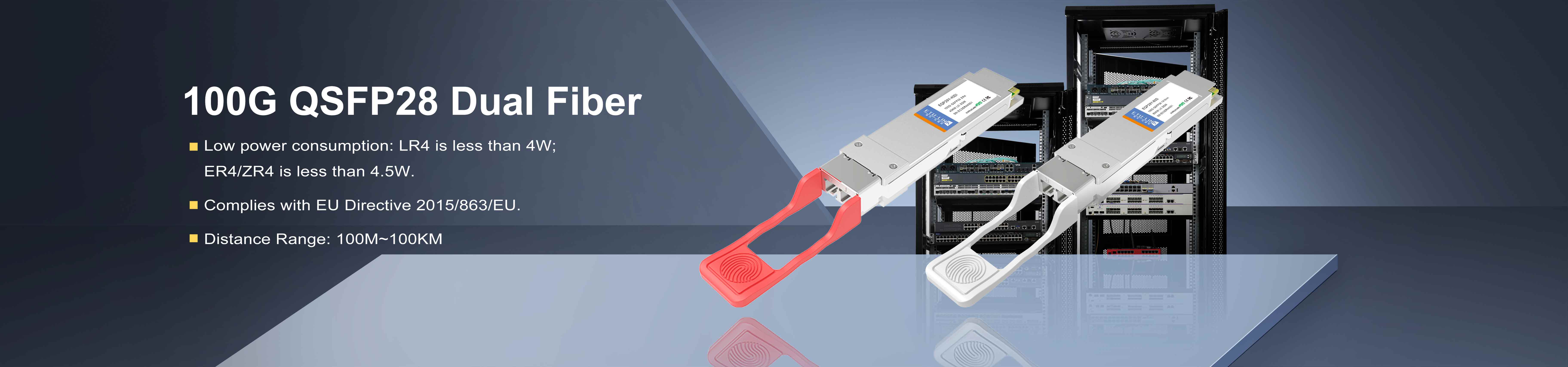
Common optical module configurations include 1.25G SFP, 10G SFP+, 25G SFP28, 40G QSFP+, 100G QSFP28 modules, matched with single-mode/multimode fiber patch cords or DAC/AOC cables for different rates and distances.
Summary of Switch & Router Interconnection
Categories
New Blog
Tags
For inquiries about our products or pricelist, please leave your information with us and we will be in touch with in 24 hours.


 Factory: Right Side Of 3rd Floor, No. 102 Building, Longguan Expressway, Dalang Street, Longhua District, Shenzhen
Office: Floor 4, Building 4, Nanshan Yungu Phase ll, Taoyuan Community, XiliStreet,Nanshan District, Shenzhen
© Copyright: 2026 ETU-Link Technology CO ., LTD All Rights Reserved.

IPv6 network supported
Friendly Links:
易天官网