English



What are the key considerations for selecting SFP vs QSFP Optical Modules?
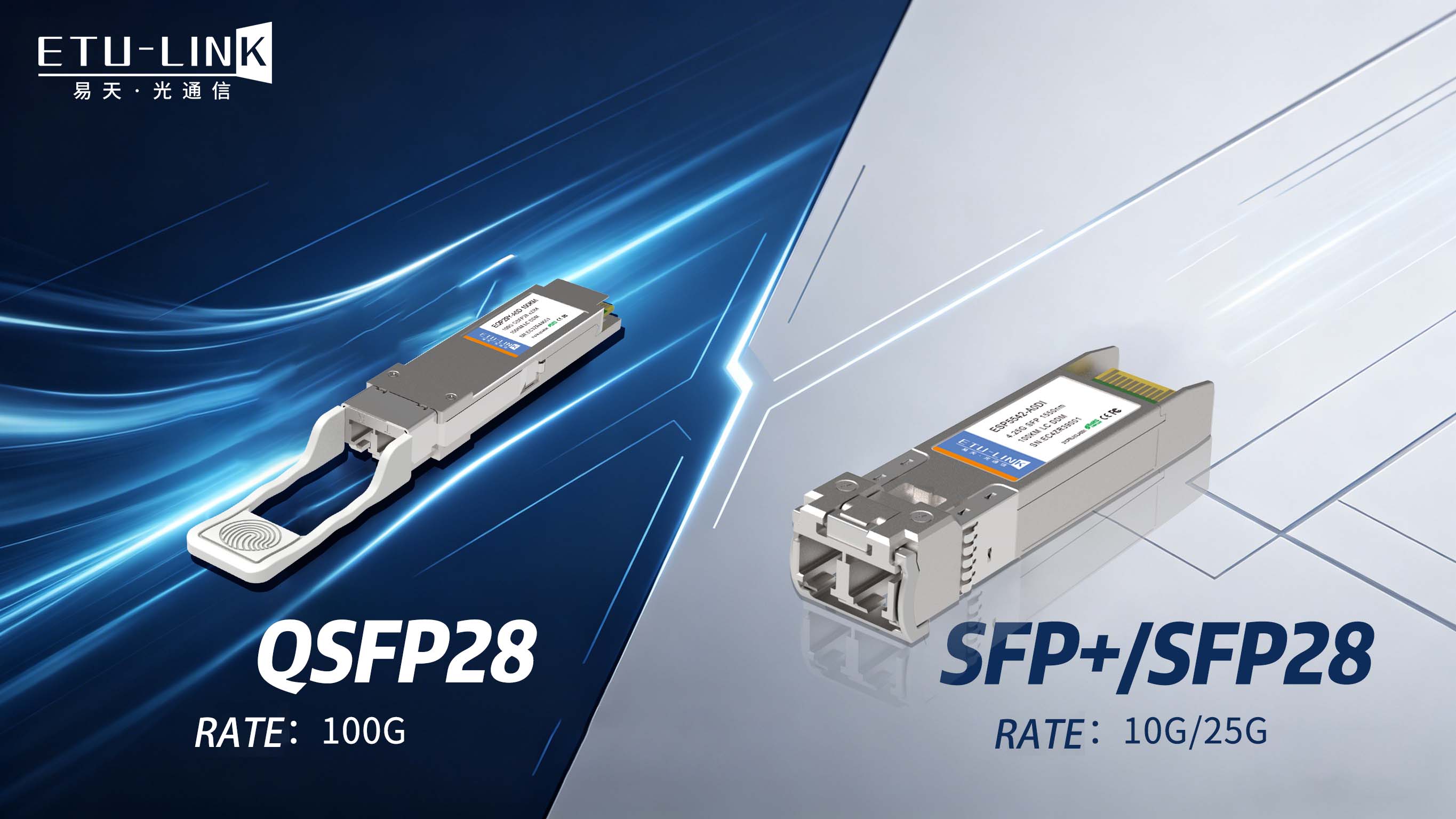
In popularizing optical modules, SFP and QSFP are often confused. They are actually packaging interface standards from different eras, with the core differences being size, number of channels, and data rate, which determine their application scenarios and adaptation requirements. Simply put, the packaging of an optical module is like a mobile phone charging interface, iterating and upgrading with data transmission needs. Below, a comparison table will provide a visual understanding of the differences between the two , by a detailed breakdown of their features and applications.
Comparison Dimensions
SFP / SFP+
QSFP / QSFP28
Number of Channels
Single Channel
4-Channel Parallel
Typical Rate
SFP: 155M~1.25G; SFP+: 10G
QSFP+: 40G; QSFP28: 100G
Dimensions
Compact and space-saving, with one port per optical channel
Slightly wider than SFP, with higher interface density
Core Positioning
Early general-purpose, low cost, and widely adopted
Mainstream in data centers, core for high-speed networking
Typical Application Scenarios
100 Mbps/1 Gbps access, small business networking, security monitoring
Data center interconnect, 100G metropolitan area network, 5G midhaul
After reviewing the table, you should now have a basic understanding of the differences between the two . Below, we'll break them down one by one, explaining the advantages and applicable scenarios of each encapsulation in simpler terms to help you fully understand their differences.
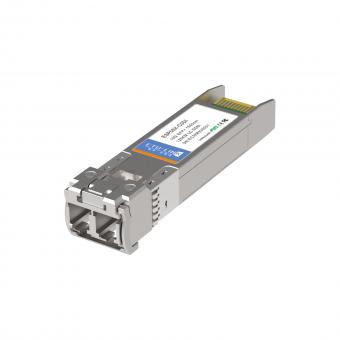
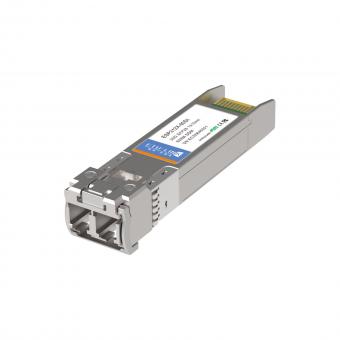
I. SFP/SFP+: The "basic" model in optical modules, with the highest popularity.
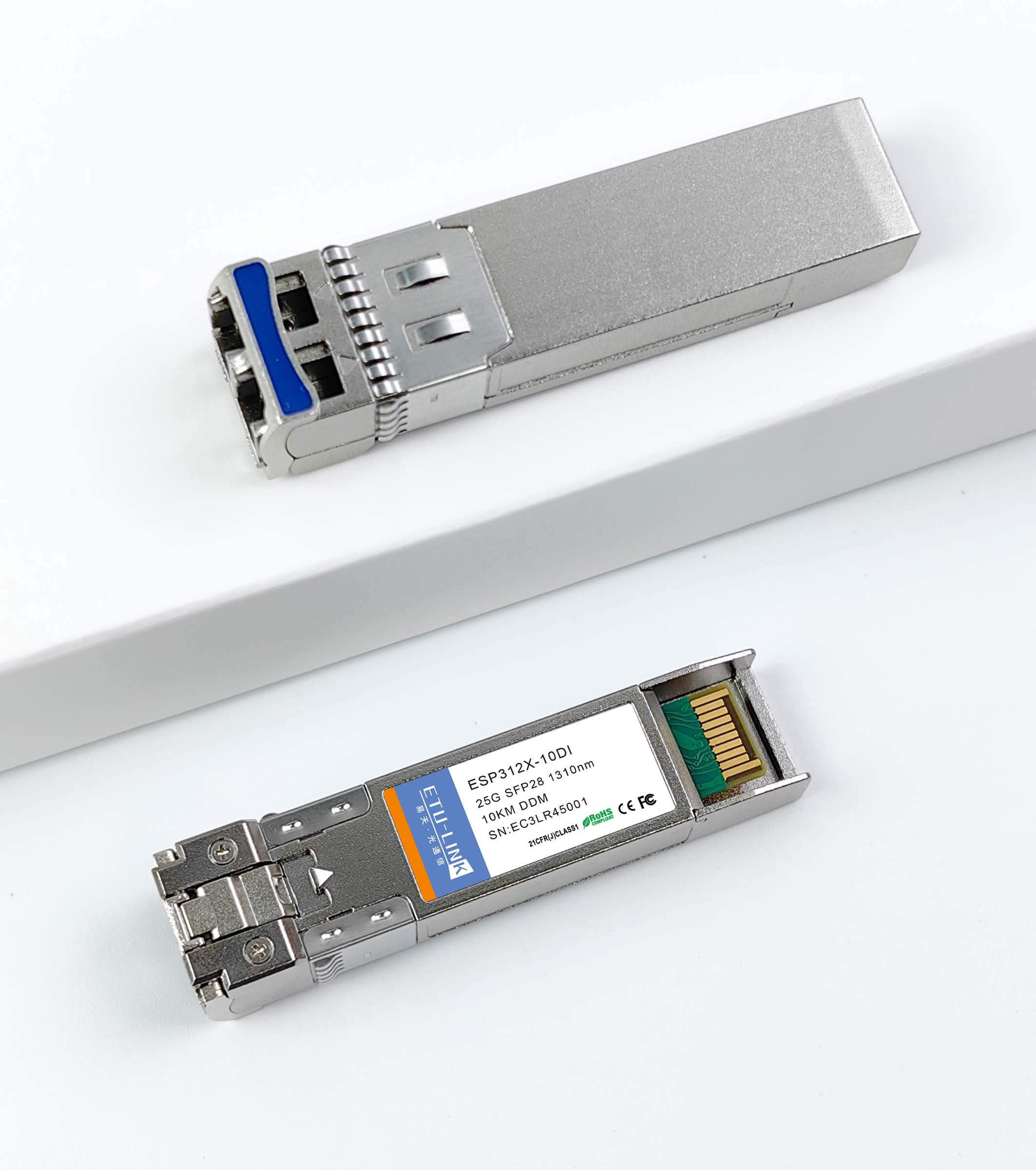
1. Core Positioning and Advantages: As the earliest and most widely adopted optical module packaging type, SFP became the mainstream choice for early optical communication networks due to its small and compact size. Its core feature is its single-channel design, with one interface corresponding to one optical channel. It does not require complex parallel transmission technology, has a simple structure, and low cost, thus enjoying extremely high popularity.
2. Early SFP Speeds and Applicable Scenarios: Early SFP optical modules covered speeds from 155M to 1.25G, and were mainly suitable for medium and low speed networking scenarios at the 100M and 1G level, such as small enterprise LANs, signal transmission for security monitoring cameras, and access to home and office networks.
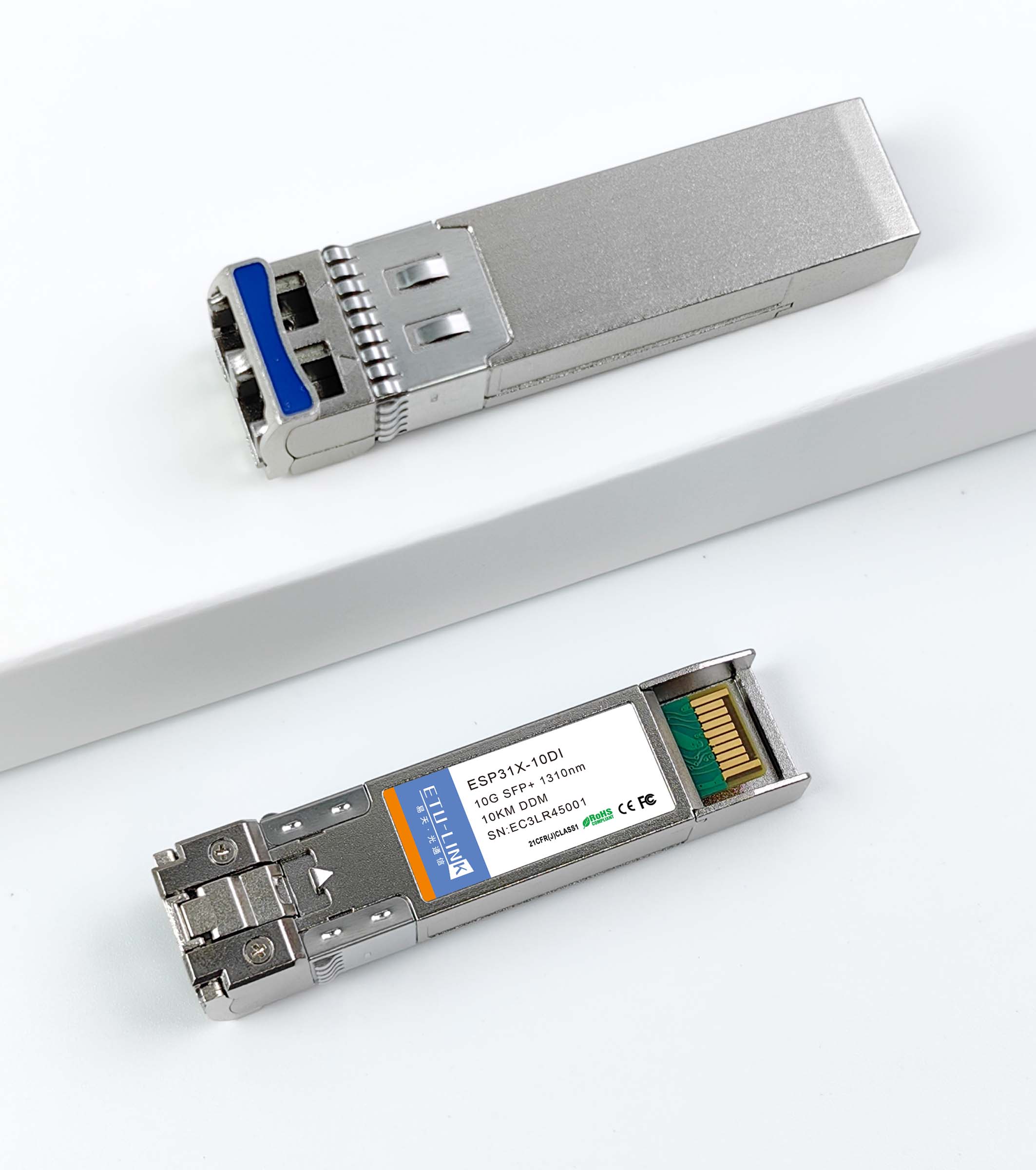
3. SFP+ Upgrade Highlights and Applications: With the increasing demand for network speeds, the upgraded SFP+ optical module has emerged. While retaining the compact size of SFP, it increases the speed to 10G, perfectly adapting to 10G Ethernet scenarios. At the same time, it continues the advantages of low cost and easy deployment , becoming the core adaptation module for medium and low speed scenarios of 10G and below , and is still widely used in various basic networking applications.
II. QSFP/QSFP28: The "mainstay" of data centers, high speed and high efficiency
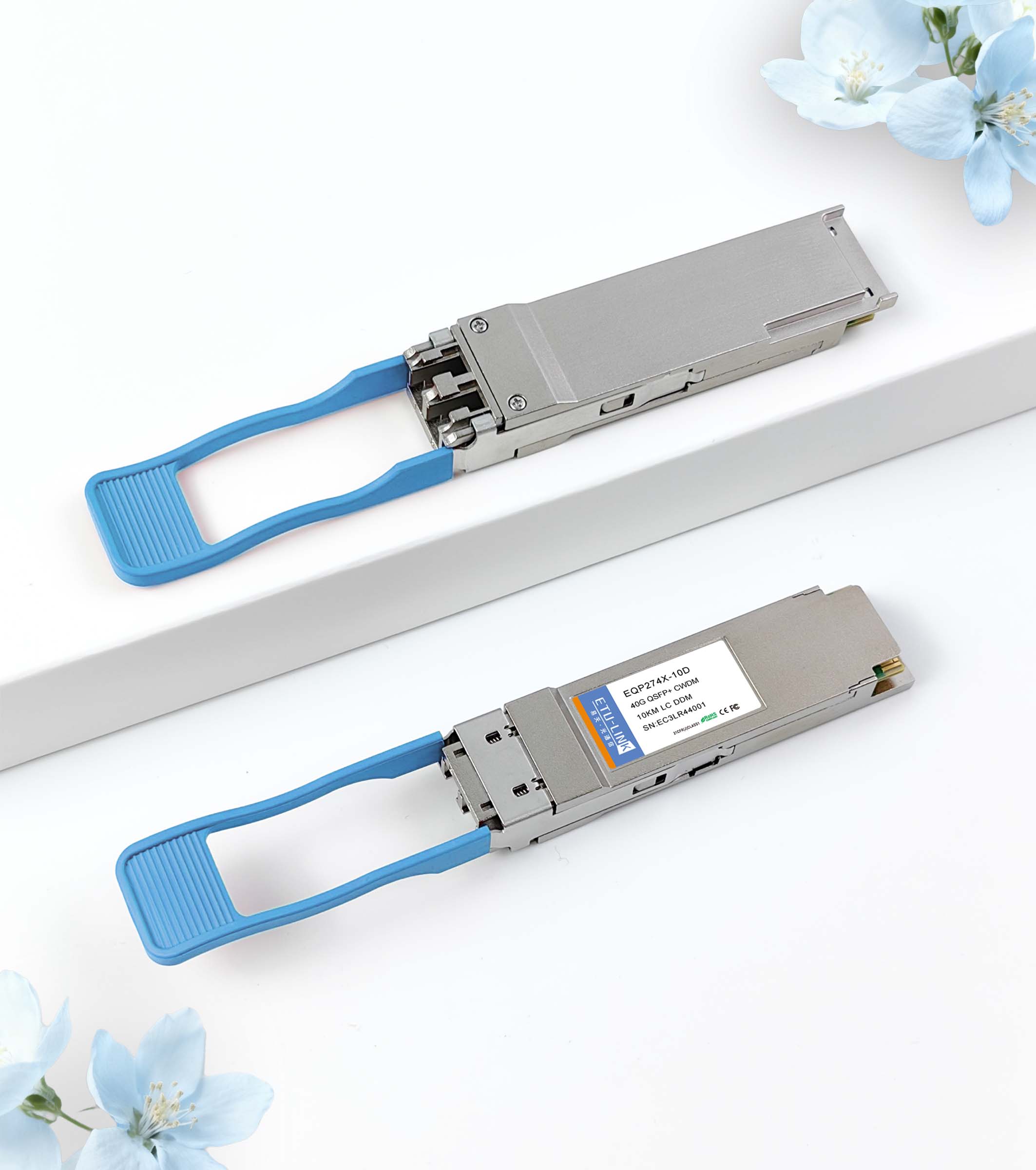
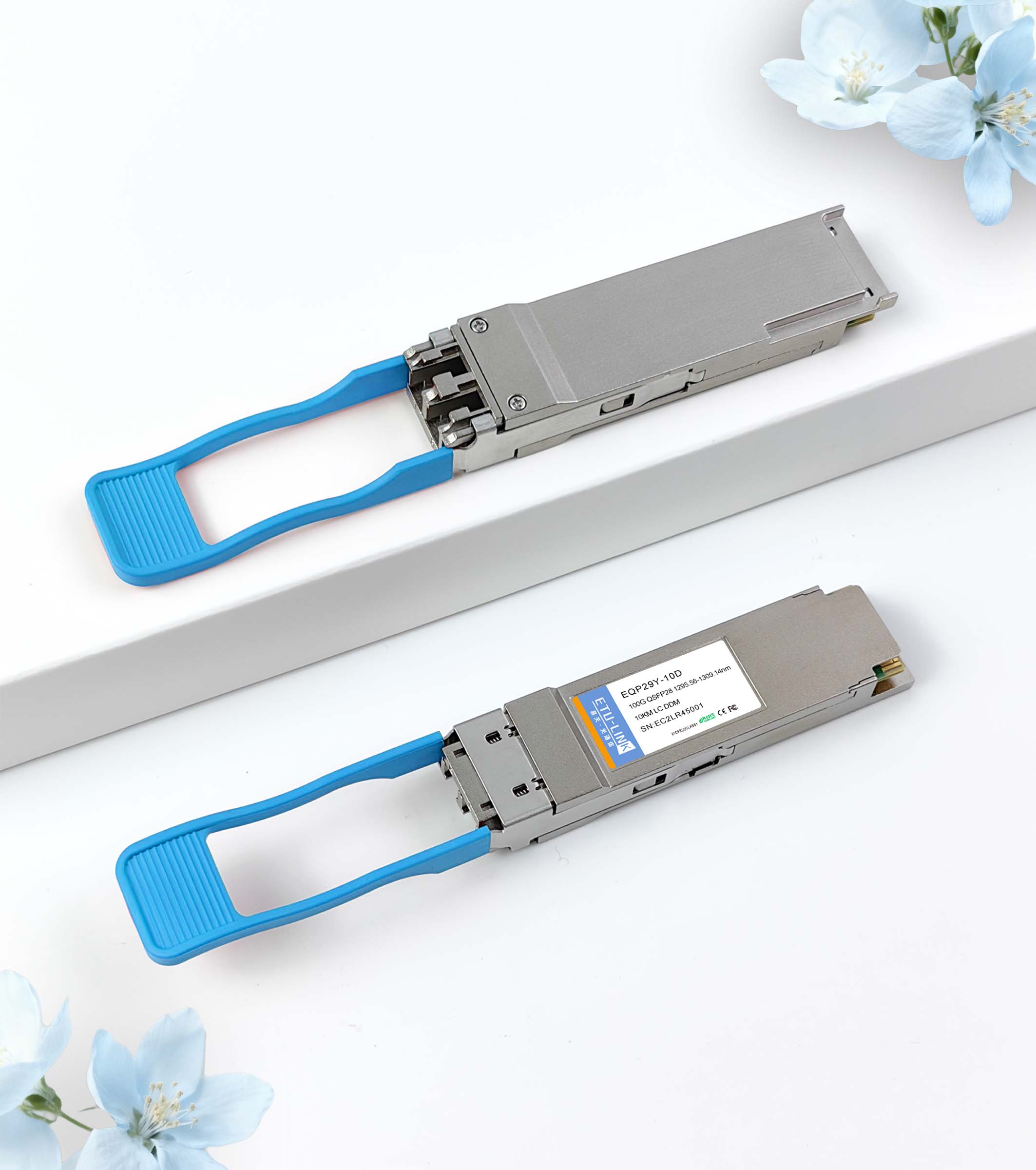
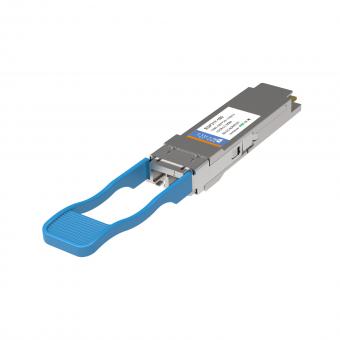
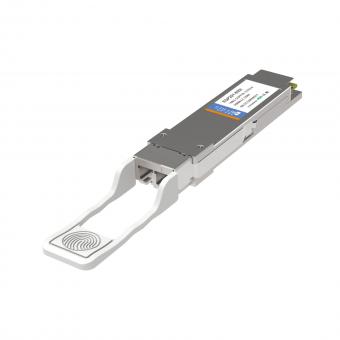
1.With the development of data centers, 10G speeds can no longer meet the needs of high-speed server interconnection. The QSFP series was developed to meet this demand. The core models are QSFP+ and QSFP28, with "four-channel parallel" as the core highlight. It is suitable for high-speed networking in data centers, complies with IEEE and MSA standards, and is compatible with mainstream equipment manufacturers.
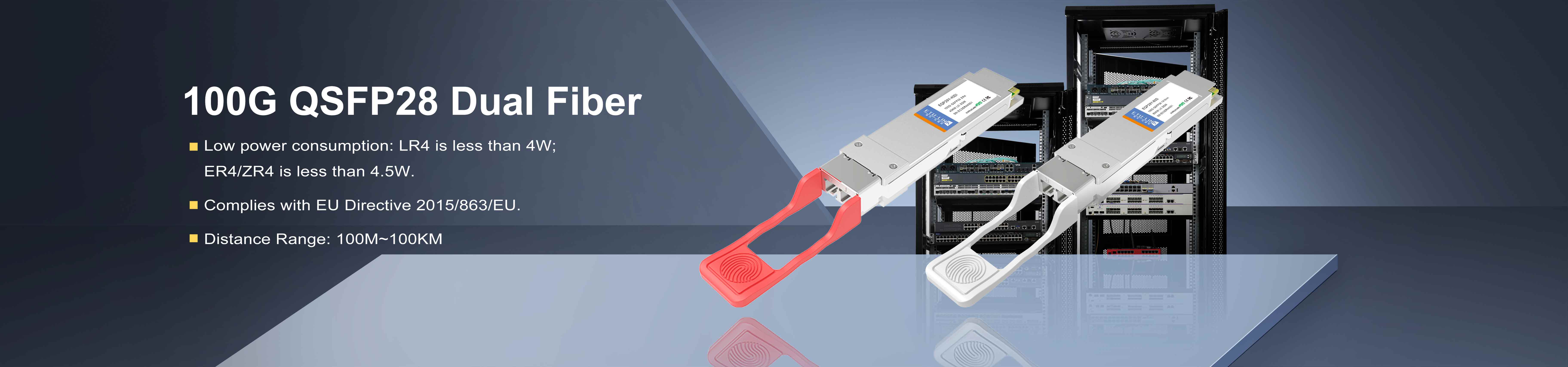
2."Four-channel parallel" means that a single QSFP interface transmits data synchronously through four optical channels, which greatly improves the speed: the QSFP+ model achieves a total speed of 40G with 4×10G, and the QSFP28 model achieves a total speed of 100G with 4×25G. Among them, QSFP28-100G-ZR4-BIDI can achieve long-distance transmission of 80km, and QSFP28-100G-SR4 has low power consumption and supports 100m multimode transmission .
3.The QSFP series is slightly wider than the SFP, but its single-interface speed is equivalent to four SFP interfaces, significantly increasing switch port density and saving rack space and cabling costs. Its core QSFP28 models ( such as QSFP28-100G-SR4 and QSFP28-100G-LR4) have become the mainstay in data centers, compatible with mainstream equipment, offering stable transmission, high yield, and adaptability to various networking scenarios.
The core differences and selection logic between the two
Actually, you don't need to memorize complicated parameters. Just remember these two sentences, and you can easily distinguish and select:
1).SFP/SFP+: Single channel, designed for speeds of 10G and below, compact and inexpensive, suitable for medium and low speeds and general scenarios;
2).QSFP+/QSFP28: 4 channels, featuring 40G/100G speeds and high density, making it a mainstay in data centers.
In simple terms, their iterative logic is: more channels → higher speed → higher density → more advanced scenarios to adapt to. From SFP to QSFP , it is essentially a product of the continuous upgrading of data transmission requirements. Each package corresponds to a specific era's needs. There is no absolute "good" or "bad", only "suitability".
After reading this article, you'll no longer be confused by SFP and QSFP , and you'll be able to quickly determine which type of optical module is more suitable for your needs.
Why Choose ETU-Link Optical Transceiver?
As a professional manufacturer with more than 12 years of deep presence in the optical communication industry, ETU-LINK specializes in full-series 10G/25G/100G/400G/800G optical modules and supporting optical communication devices. All our products have Compliant with FCC, CE and RoHS certifications, and are fully compatible with mainstream brand network equipment in the market.
We also support flexible OEM/ODM customization services to match diverse project requirements, with a leading 3-year warranty policy and fast order delivery.
Related Products
For inquiries about our products or pricelist, please leave your information with us and we will be in touch with in 24 hours.


 13th Floor, Building 6, Honghualing Base, Nanshan Intelligent Manufacturing Base, Liuxian Avenue, Taoyuan Street, Xili, Nanshan District, Shenzhen, China
© Copyright: 2026 ETU-Link Technology CO ., LTD All Rights Reserved.

IPv6 network supported
Friendly Links:
易天官网