English



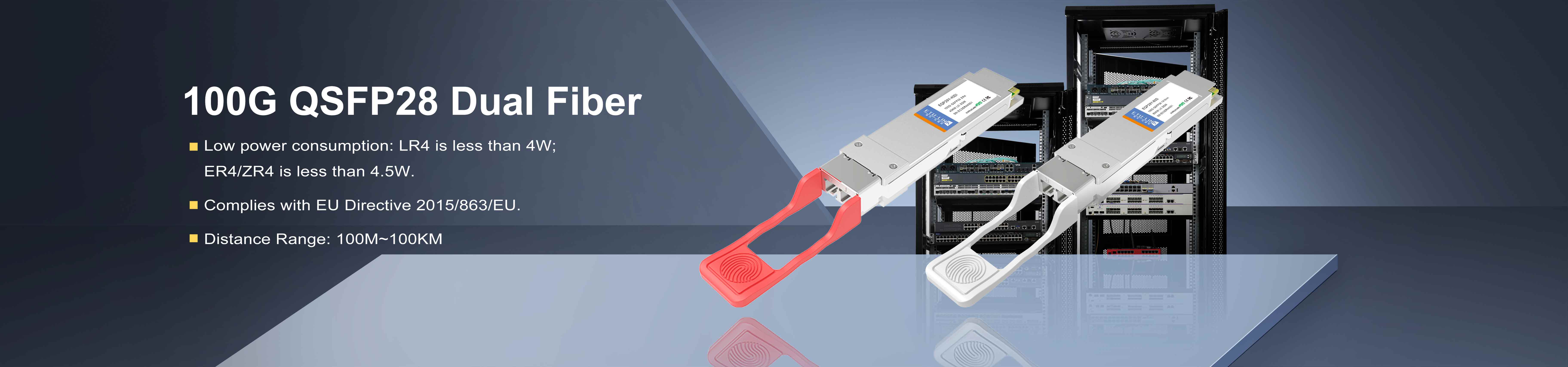

Hello, everyone working in networking, system integration, and telecommunications operations and maintenance! Friends often ask me: For remote base stations, field security, and the renovation of old government and enterprise dedicated lines, the business needs to run 25G and the distance needs to be 80km, but we only have single-core optical fiber left and do not want to lay new lines, is there a...
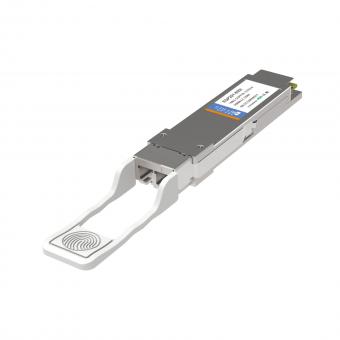
Ⅰ. "Dual-channel" transmission and reception, without interference. Bidirectional over Single Fiber ( BiDi ) means that data transmission and reception can be completed simultaneously within a single optical fiber, unlike ordinary optical fibers which use two separate wires for transmission and reception. The core principle of this technology is the combination of wavelength multiplexing and trans...
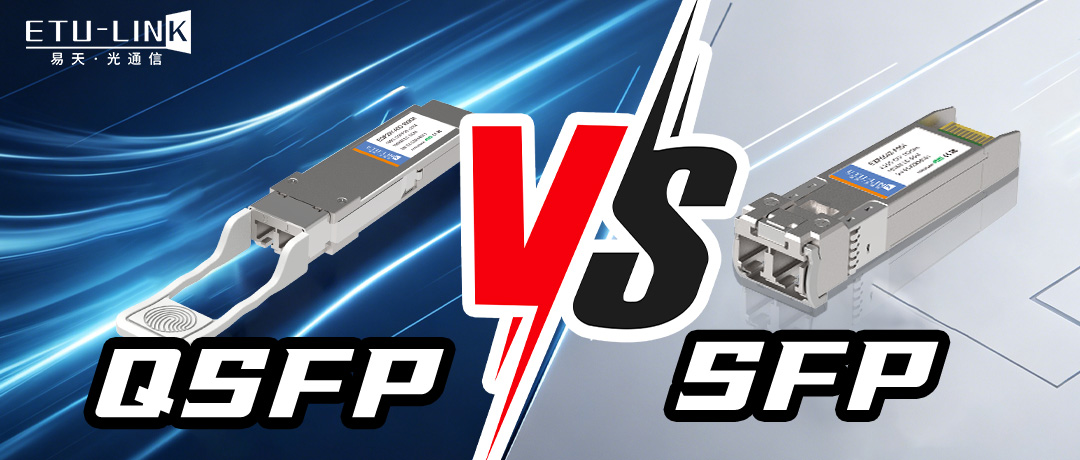
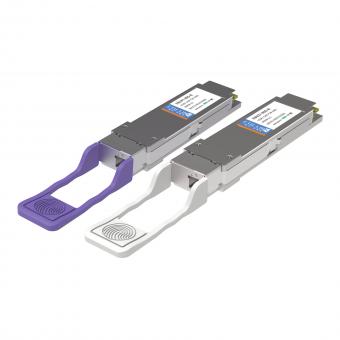
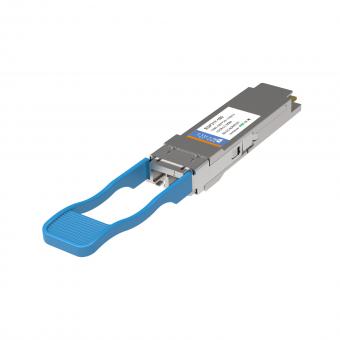
In popularizing optical modules, SFP and QSFP are often confused. They are actually packaging interface standards from different eras, with the core differences being size, number of channels, and data rate, which determine their application scenarios and adaptation requirements. Simply put, the packaging of an optical module is like a mobile phone charging interface, iterating and upgrading with ...

Push open the door to the data center, and amidst the humming server racks, countless thin optical fibers are carrying massive amounts of data. At the source of these fibers, a component the size of a fingernail — an optical chip—determines the performance ceiling of the entire communication system. Today, we'll discuss the most crucial choice for optical modules: direct-modulated lasers (DML) ver...

In today's rapidly evolving technological landscape, the convergence of drones and optical communication is becoming a key force driving industry transformation. The following will elaborate on the relationship between drones and optical communication, trends in optical module products, and future prospects. I. The Relationship Between Drones and Optical Communications: Optical Modules as Core Com...

Comparative Analysis of PAM4 and NRZ Modulation Technologies PAM4 and NRZ are two mainstream digital signal modulation technologies in optical communication and high-speed data transmission. Their fundamental differences lie in the number of signal levels, transmission efficiency, and anti-interference capabilities. The following analysis will examine them from three dimensions: principles, c...

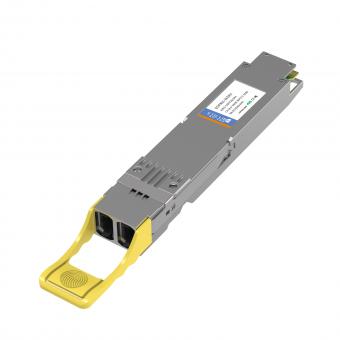
When customers inquire about "400G optical module requirements," are you also confused about the differences between QSFP-DD, OSFP, and QSFP112? Different packages differ significantly in channel count, heat dissipation, power consumption, and application scenarios. Choosing the wrong package can affect project schedule and cost! Below is a simplified comparison table and key conclusions to help y...

In an increasingly competitive market, comprehensive after-sales service is an indispensable part of sales work. It aims to ensure customers receive timely and professional support during the use of optical modules. ETU-LINK provides the following customer support: I. After-Sales Technical Support 1. 24/7 Service: Providing 7x24-hour technical consultation and fault reporting services, ensuring cu...
Categories
New Blog
Tags
For inquiries about our products or pricelist, please leave your information with us and we will be in touch with in 24 hours.


 13th Floor, Building 6, Honghualing Base, Nanshan Intelligent Manufacturing Base, Liuxian Avenue, Taoyuan Street, Xili, Nanshan District, Shenzhen, China
© Copyright: 2026 ETU-Link Technology CO ., LTD All Rights Reserved.

IPv6 network supported
Friendly Links:
易天官网