English





As the core hub of optical communication systems, the rate iteration of optical modules determines the data transmission efficiency and upper limit, supporting the upgrading of industries such as digital economy, AI computing power, and 5G communication. From 1.25G to 800G, the iteration of optical modules is accompanied by innovations in architecture, principles, and performance. This article wil...

With the rapid development of data centers, AI, and 5G transport networks, 400G optical modules have become a core necessity in the communications industry chain. Compared to the mature 100G optical modules, their large-scale deployment still faces many underlying technical and application challenges, directly restricting market penetration and affecting cost control and operational stability in d...
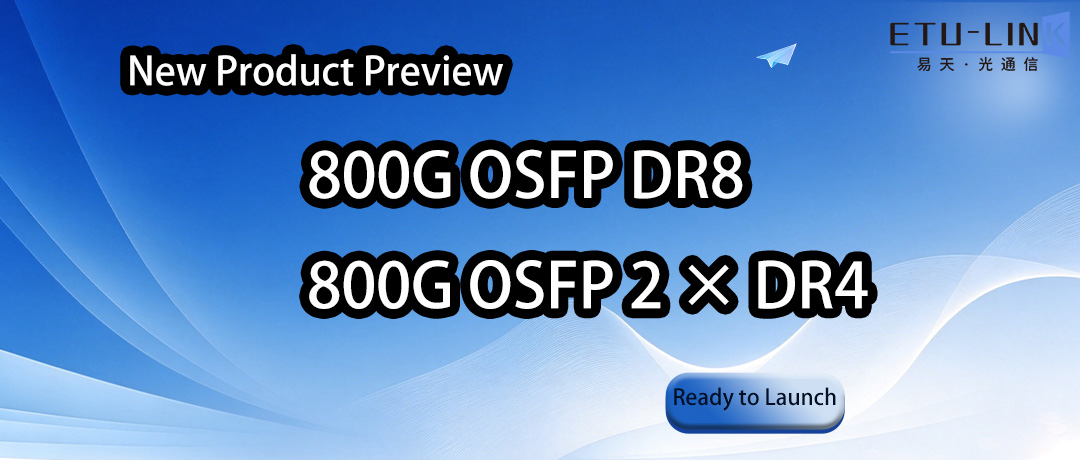
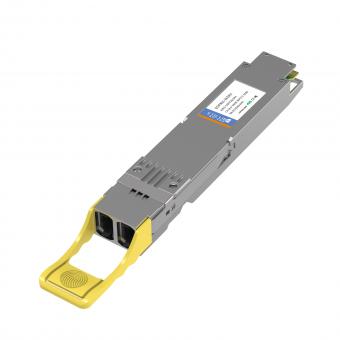
With the rapid development of AI computing power and the continuous surge in data center traffic, 400G networks are gradually reaching their performance bottlenecks. To adapt to the needs of high-density, low-latency computing network upgrades, ETU-LINK Optical Communication has launched a pre-launch campaign for new products, showcasing two self-developed 800G high-speed optical modules based on ...

With the rapid development of cloud computing, artificial intelligence, and 5G networks, the demand for bandwidth in data centers is growing exponentially. 400G optical modules, with their superior performance, are gradually becoming a core component of next-generation high-speed networks. Among numerous optical module brands, ETU-LINK stands out with its core competitiveness in high cost-effectiv...

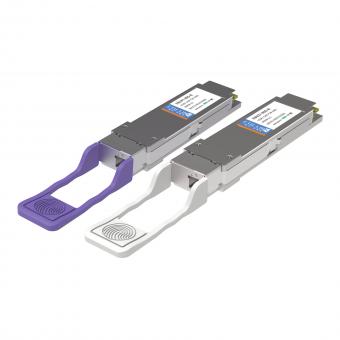
Ⅰ.400G Upgrades for Data Centers: Choosing the Right Packaging Is Key Driven by technologies such as AI, cloud computing, and 5G, the global data volume is growing exponentially. The global market size for 400G optical transceivers reached $1.13 billion in 2025 and is projected to grow to $3.61 billion by 2035. Meanwhile, CignalAI predicts that total shipments of 400G and above high-speed data com...
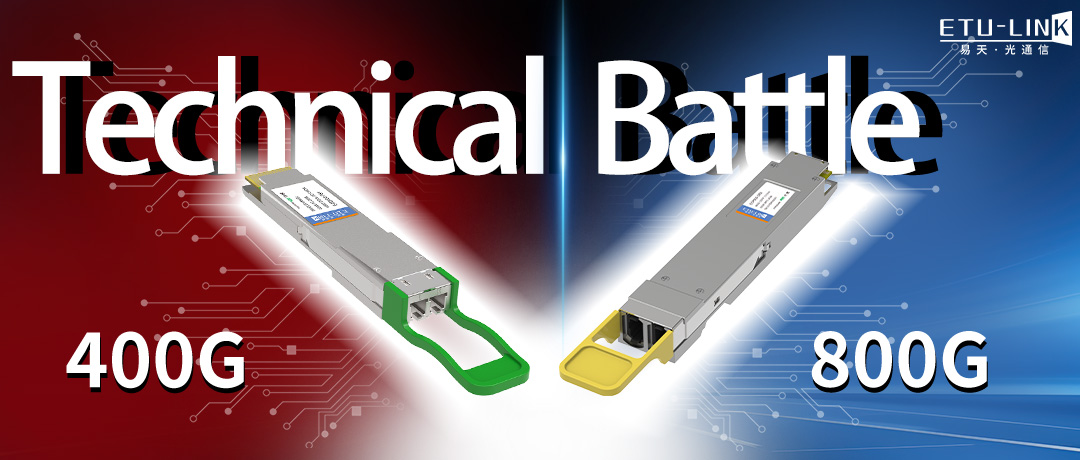
The explosive growth in demand for AI computing power is pushing data centers to a critical inflection point for upgrades. Looking ahead to 2026, the battle between 400G and 800G optical modules is no longer just a race for speed, but a generational choice concerning power consumption, cost, and future architecture. I. Technical Architecture: The Transition from 8×50G to 8×100G The 400G optical mo...

When AI models are trained in hours and autonomous driving processes massive amounts of data in real time, 800G optical modules are an indispensable high-speed transmission foundation. They are not merely "upgrades to network cables," but core components supporting the operation of global digital infrastructure. Companies like ETU-LINK, deeply rooted in the field of optical communication, are prov...

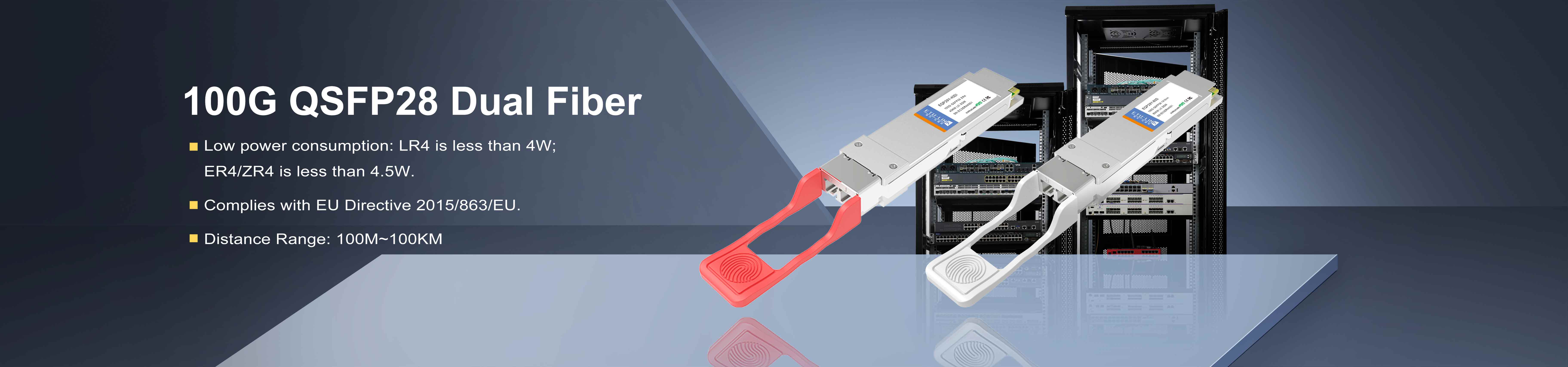
100G Ethernet optical module originated from the urgent need for high-capacity data transmission. It can provide high-speed 100Gb/s transmission rate to meet the needs of Internet applications, cloud computing, big data and high-definition video. Among them, 100G QSFP28 ER4 optical modules are widely used in long-distance transmission scenarios. For 40KM application scenarios, 100G ER4 optical mod...
For inquiries about our products or pricelist, please leave your information with us and we will be in touch with in 24 hours.


 Factory: Right Side Of 3rd Floor, No. 102 Building, Longguan Expressway, Dalang Street, Longhua District, Shenzhen
Office: Floor 4, Building 4, Nanshan Yungu Phase ll, Taoyuan Community, XiliStreet,Nanshan District, Shenzhen
© Copyright: 2026 ETU-Link Technology CO ., LTD All Rights Reserved.

IPv6 network supported
Friendly Links:
易天官网