English



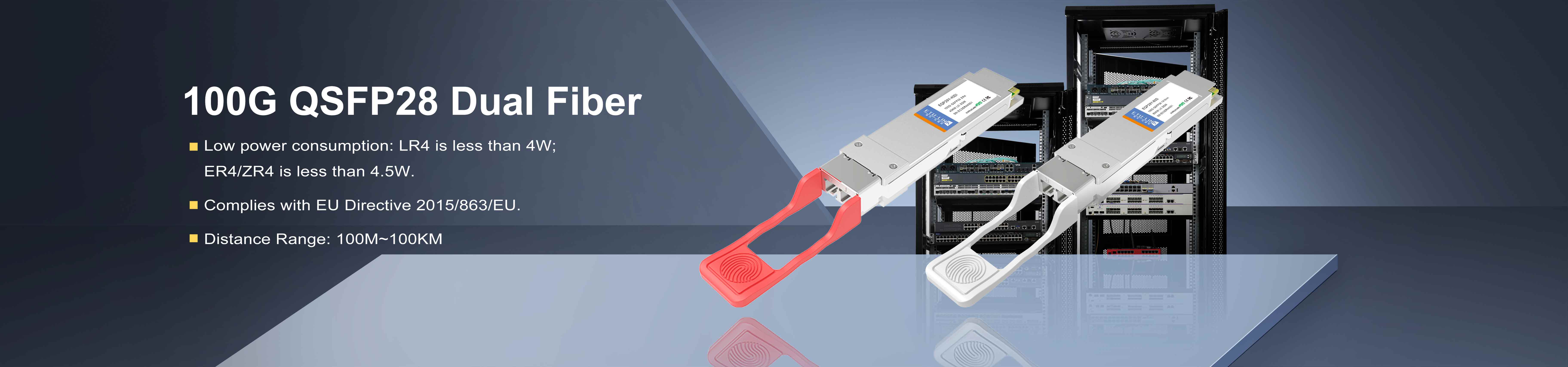
Smooth video streaming, instant cloud file transfers, and 24/7 high-speed operation of big data centers all rely on an unassuming "network hero"—the 100G QSFP28 optical module. Many people only know about its fast network speed, but they don't understand its true capabilities, applicable scenarios, or the most common pitfalls in choosing it. Today, we 'll use super easy-to-understand, practical in...

AI computing infrastructure is expanding at full speed. 800G OSFP and QSFP-DD Optical Modules have fully entered the market adoption cycle. The industry is generally showing a differentiated pattern where leading manufacturers are operating at full capacity and order schedules are lengthening, while small and medium-sized manufacturers are accelerating production expansion to grab market share. Th...
With the explosive growth of cloud computing and AI big data models, and the iterative upgrade from 5G to 6G, network bandwidth demand has seen an explosive increase. From backbone networks to metropolitan area networks, from data center interconnect (DCI) to enterprise core networks, 400G has become the "mainstream threshold" for high-speed transmission. Among them, 400G QSFP-DD LR4, with its uni...

With the rapid development of data centers, AI, and 5G transport networks, 400G optical modules have become a core necessity in the communications industry chain. Compared to the mature 100G optical modules, their large-scale deployment still faces many underlying technical and application challenges, directly restricting market penetration and affecting cost control and operational stability in d...
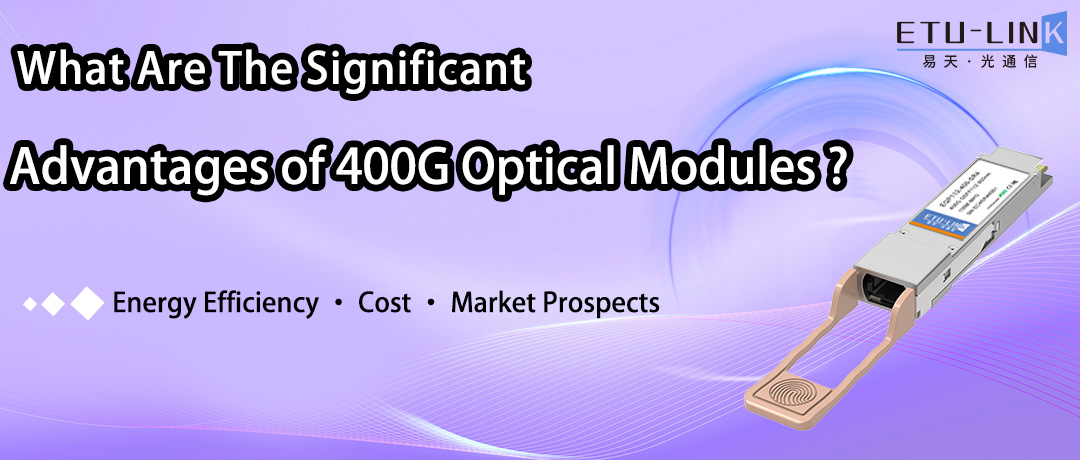
With the rapid development of cloud computing, artificial intelligence, and 5G networks, the demand for bandwidth in data centers is growing exponentially. 400G optical modules, with their superior performance, are gradually becoming a core component of next-generation high-speed networks. Among numerous optical module brands, ETU-LINK stands out with its core competitiveness in high cost-effectiv...

In data center and communication network construction, optical modules, as core components for photoelectric signal conversion, directly determine equipment compatibility and transmission performance through their interface types. Correctly understanding and distinguishing various commonly used interfaces is essential knowledge for network engineers and procurement personnel. I. By Package Interfa...
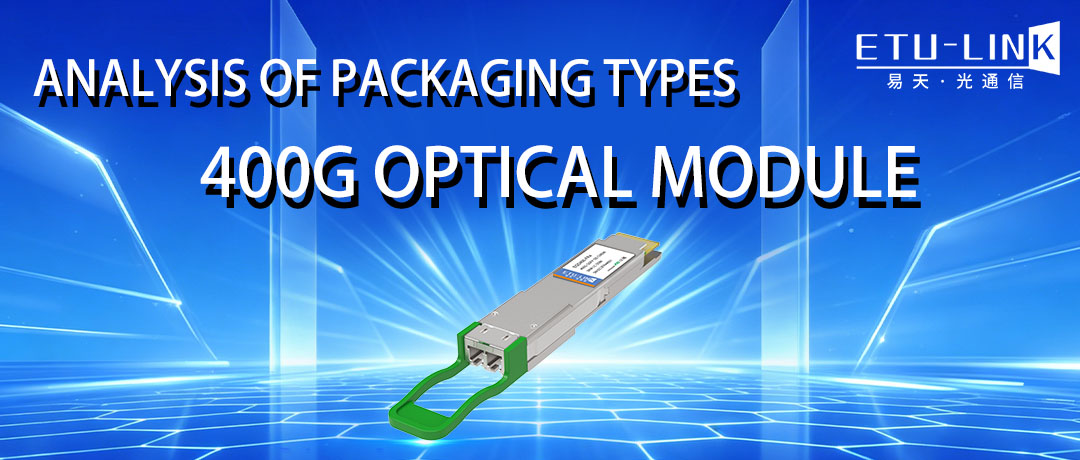
Ⅰ.400G Upgrades for Data Centers: Choosing the Right Packaging Is Key Driven by technologies such as AI, cloud computing, and 5G, the global data volume is growing exponentially. The global market size for 400G optical transceivers reached $1.13 billion in 2025 and is projected to grow to $3.61 billion by 2035. Meanwhile, CignalAI predicts that total shipments of 400G and above high-speed data com...
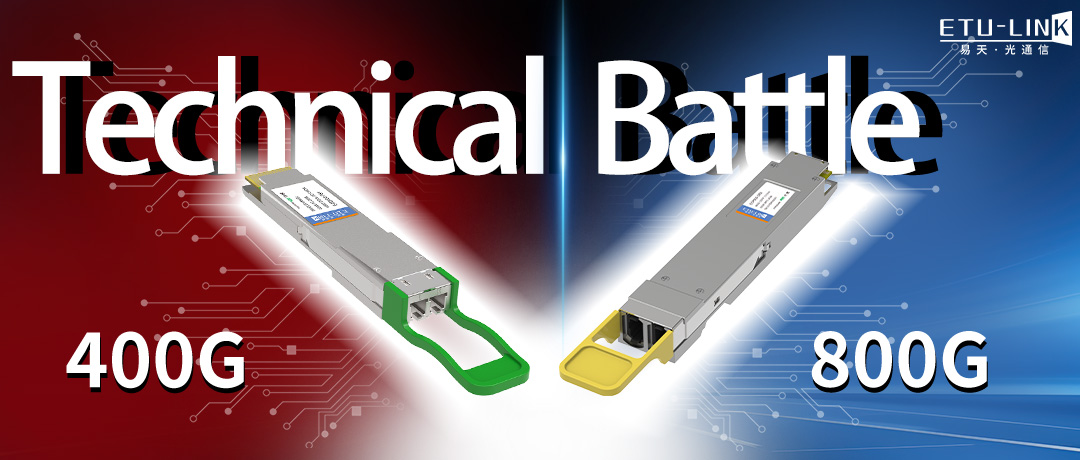
The explosive growth in demand for AI computing power is pushing data centers to a critical inflection point for upgrades. Looking ahead to 2026, the battle between 400G and 800G optical modules is no longer just a race for speed, but a generational choice concerning power consumption, cost, and future architecture. I. Technical Architecture: The Transition from 8×50G to 8×100G The 400G optical mo...
For inquiries about our products or pricelist, please leave your information with us and we will be in touch with in 24 hours.


 13th Floor, Building 6, Honghualing Base, Nanshan Intelligent Manufacturing Base, Liuxian Avenue, Taoyuan Street, Xili, Nanshan District, Shenzhen, China
© Copyright: 2026 ETU-Link Technology CO ., LTD All Rights Reserved.

IPv6 network supported
Friendly Links:
易天官网