English



SFF-8472 Standard Knowledge sharing
As we all know, Optical transceivers play an important role in the data center, many international organizations have formulated various standards, like GBIC, SFF-0053, INF-8074 and SFF-8472.
The SFF-8472 is a MSA(Multi-source Agreement) on digital monitoring of optics. It defines a reference frame for Optical module manufacturers, the products with seamless interoperability and OAM parameters can be shared across the optical communications industry.
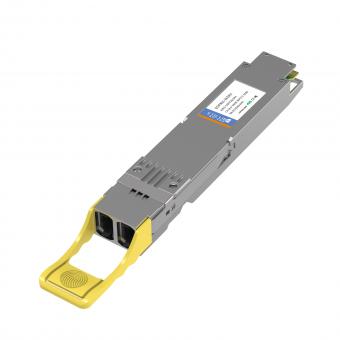
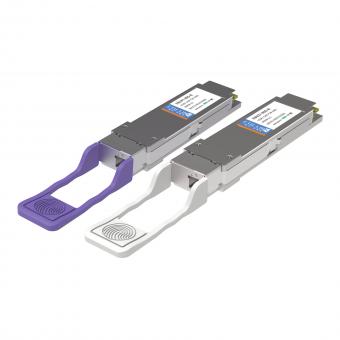
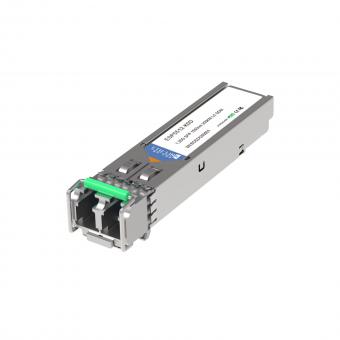
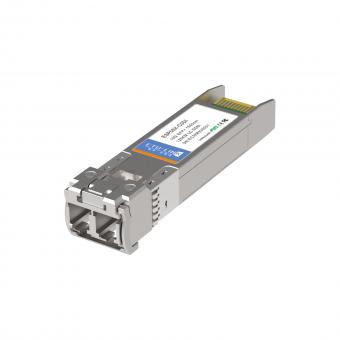
SFF-8472 is widely applied to SFP, SFP+, XFP, QSFP+ optical modules, and becomes the universal diagnostic standard for gigabit, 10G, 25G, 40G, and 100G optical communication systems.
|
Parameter |
Range |
Accuracy |
|
Working Voltage |
0-6.55V |
+/-3% Standard Values |
|
Operating Temperature |
-128-128℃ |
+/-3 ℃ |
|
Received Power |
-40-8.2 dBm |
+/-3 dBm |
|
Transmission Power |
-40-8.2 dBm |
+/-3 dBm |
|
Laser Bias |
0-131 mA |
+/-10% Standard Values |
These real-time parameters are the basis for judging module health, link quality, and service life in optical transmission systems.
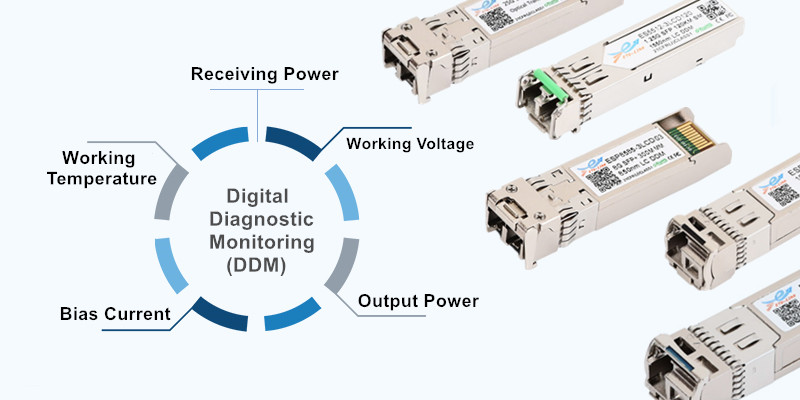
DDM (Digital Diagnostic Monitoring) can monitor temperature, voltage, TX power, RX power, and bias current in real time, supporting high‑speed network operation and maintenance.
3) Check whether the optical module can be normally used on a network device.
SFF-8472 & DDM significantly improve network stability, reduce maintenance time, and lower operating costs for data centers, enterprise networks, and telecom operators.
5. Why Choose SFF-8472-Compliant Optical Modules?
ETU-Link supply optical modules in line with SFF-8472 Standard, and prices are competitive, welcome to contact.
ETU-LINK SFP, SFP+, CWDM, DWDM optical modules fully comply with SFF-8472, support DDM real-time monitoring, and are compatible with Cisco, Huawei, H3C, Mellanox, and other mainstream switches.
Last updated: April 13, 2026
For inquiries about our products or pricelist, please leave your information with us and we will be in touch with in 24 hours.


 13th Floor, Building 6, Honghualing Base, Nanshan Intelligent Manufacturing Base, Liuxian Avenue, Taoyuan Street, Xili, Nanshan District, Shenzhen, China
© Copyright: 2026 ETU-Link Technology CO ., LTD All Rights Reserved.

IPv6 network supported
Friendly Links:
易天官网